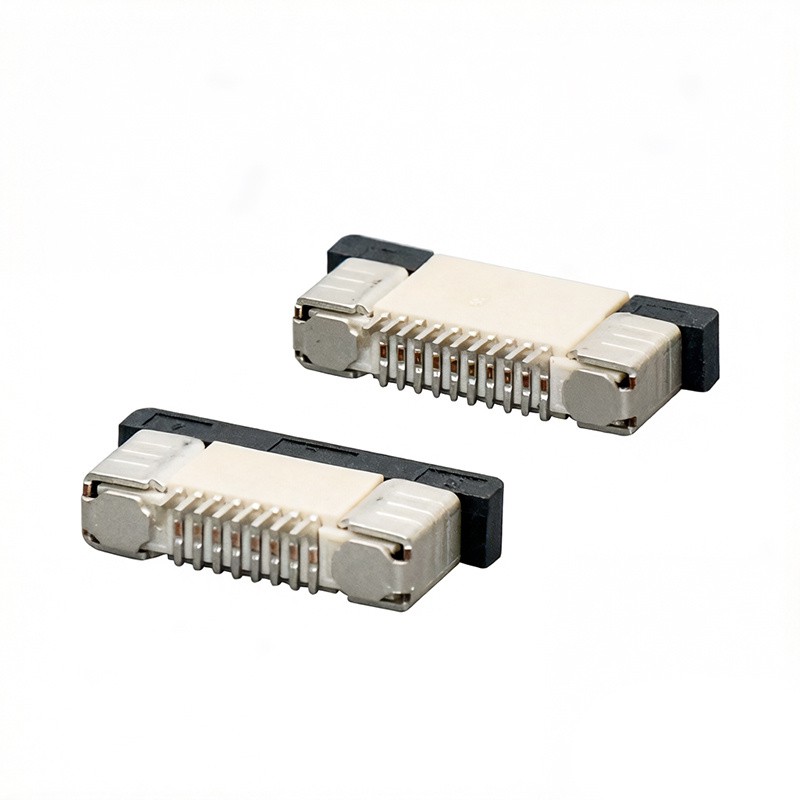
How to Measure the Dimensions of a Header Connector
As a supplier of header connectors, I understand the critical importance of accurate dimension measurement. Header connectors are widely used in various electronic devices, and their proper fit and functionality depend on precise dimensions. In this blog post, I will share some key methods and considerations for measuring the dimensions of header connectors.
Understanding the Basic Dimensions of Header Connectors
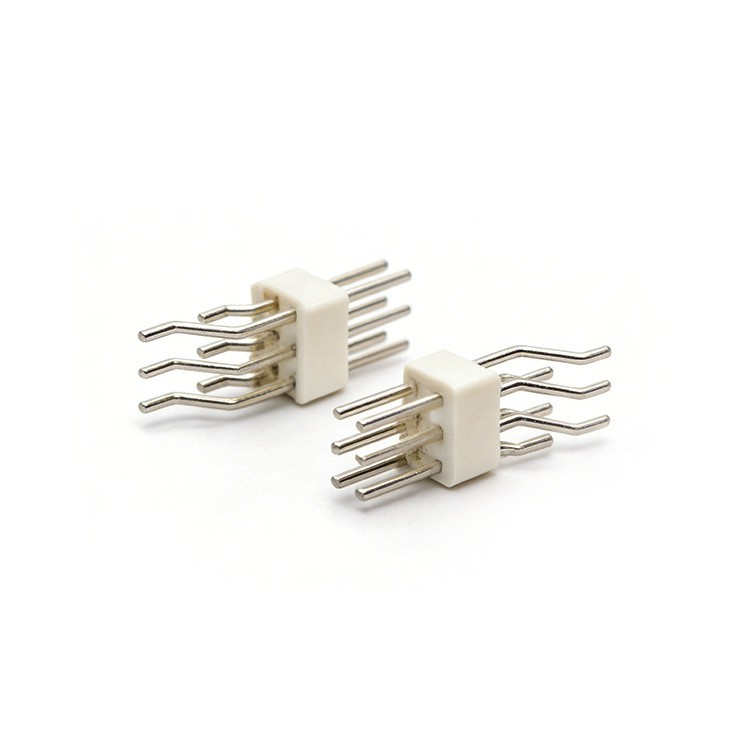
Before we start measuring, it's essential to understand the basic dimensions of header connectors. The most common dimensions include the pitch, the length, the width, the height, and the number of pins.
The pitch is the distance between the centers of two adjacent pins. It is a crucial dimension as it determines the compatibility of the connector with other components. For example, a standard pitch for many header connectors is 2.54mm, but there are also other pitches available, such as 1.27mm, 2mm, etc.
The length of the header connector refers to the overall length of the connector body, including the pins. The width is the measurement across the connector body, and the height is the distance from the base of the connector to the top of the pins.
The number of pins is another important factor. It determines the number of electrical connections that the connector can provide. Header connectors can have as few as two pins or as many as several dozen pins.

Tools for Measuring Header Connector Dimensions
To measure the dimensions of a header connector accurately, you will need the right tools. Here are some commonly used tools:
- Vernier Caliper: A vernier caliper is a precise measuring tool that can measure both internal and external dimensions. It can measure the pitch, length, width, and height of the header connector with high accuracy.
- Micrometer: A micrometer is even more precise than a vernier caliper. It is especially useful for measuring very small dimensions, such as the diameter of the pins.
- Ruler: A simple ruler can be used for rough measurements, but it may not provide the same level of accuracy as a vernier caliper or micrometer.
Measuring the Pitch
The pitch is one of the most important dimensions to measure. To measure the pitch, follow these steps:
- Place the header connector on a flat surface.
- Use a vernier caliper or micrometer to measure the distance between the centers of two adjacent pins. Make sure to measure at least three pairs of adjacent pins and take the average value to ensure accuracy.
Measuring the Length, Width, and Height
To measure the length, width, and height of the header connector, use a vernier caliper or micrometer. Here's how:
- Length: Place the caliper jaws at the two ends of the connector body, including the pins, and measure the distance.
- Width: Measure the distance across the connector body at its widest point.
- Height: Measure the distance from the base of the connector to the top of the pins.
Measuring the Pin Diameter
The pin diameter is an important dimension, especially for connectors that require a precise fit. To measure the pin diameter, use a micrometer. Place the micrometer jaws around the pin and take the measurement.
Special Considerations for Different Types of Header Connectors
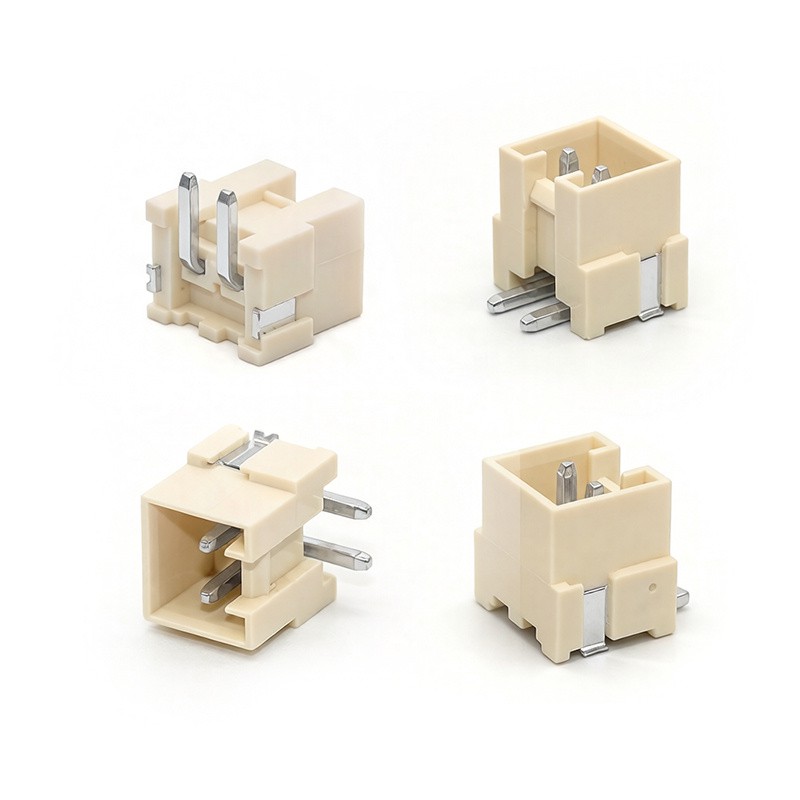
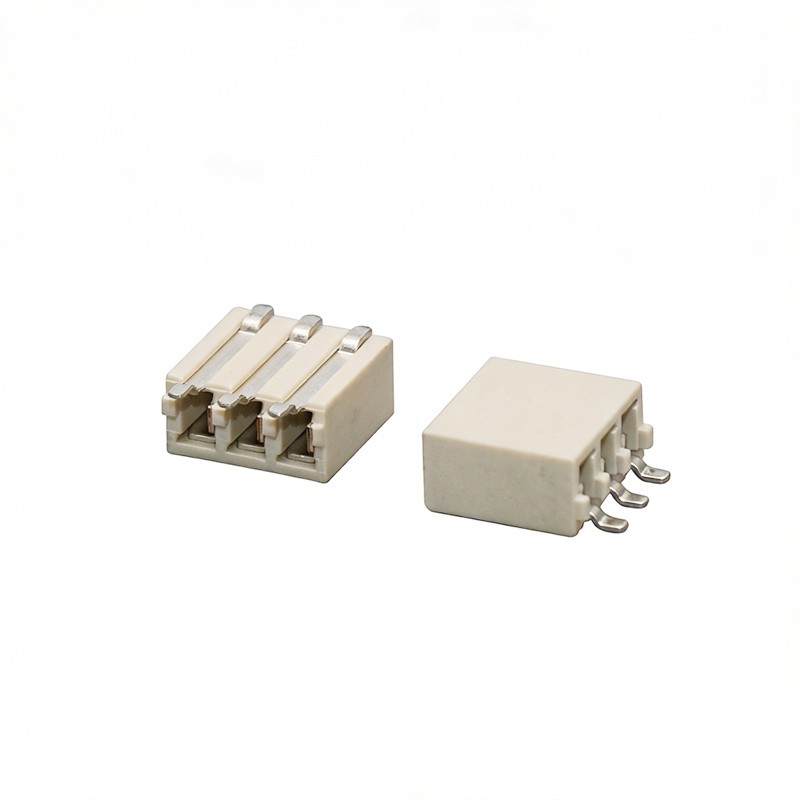
There are different types of header connectors, such as Right Angle Header Connector, Low Profile Header Connector, and Shrouded Header Connector. Each type may have specific measurement requirements.
- Right Angle Header Connector: When measuring a right angle header connector, pay special attention to the angle between the pins and the connector body. Make sure to measure the dimensions at the correct angle.
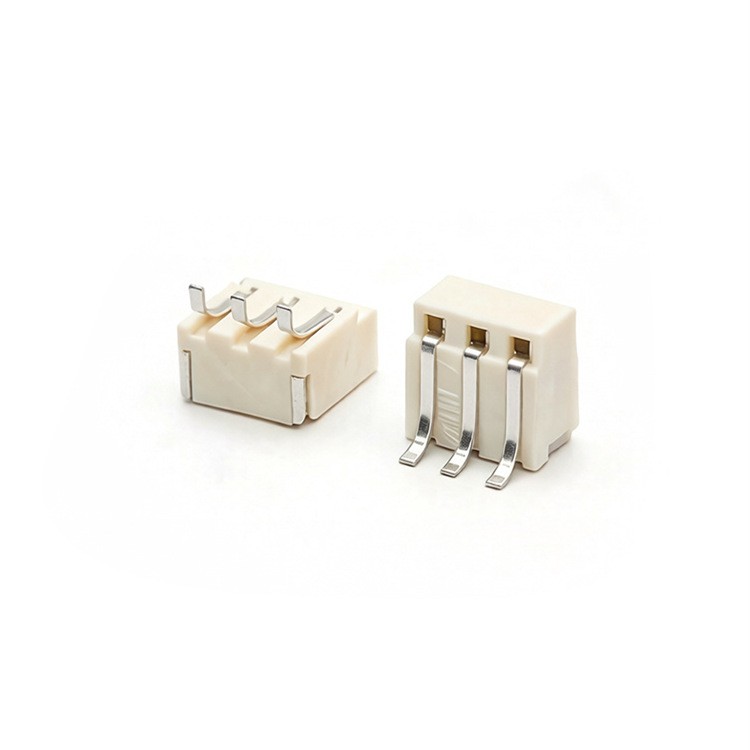
- Low Profile Header Connector: Low profile header connectors have a reduced height. When measuring, make sure to use a tool that can accurately measure the small height dimension.
- Shrouded Header Connector: Shrouded header connectors have a protective shroud around the pins. When measuring, make sure to measure the dimensions of both the shroud and the pins to ensure proper fit.
Importance of Accurate Dimension Measurement
Accurate dimension measurement is crucial for several reasons. First, it ensures that the header connector will fit properly into the device or circuit board. A connector with incorrect dimensions may not fit, leading to poor electrical connections or even damage to the device.
Second, accurate dimensions are essential for compatibility. Different devices and components may require specific connector dimensions. By measuring the dimensions accurately, you can ensure that the connector is compatible with the intended application.
Finally, accurate dimension measurement is important for quality control. As a supplier, we need to ensure that our header connectors meet the required specifications. By measuring the dimensions accurately, we can identify any defects or deviations and take corrective actions.
Conclusion
Measuring the dimensions of a header connector is a crucial step in ensuring its proper fit and functionality. By using the right tools and following the correct measurement methods, you can obtain accurate dimensions. Whether you are a manufacturer, an engineer, or a buyer, understanding how to measure the dimensions of header connectors is essential.
If you are interested in purchasing header connectors or have any questions about our products, please feel free to contact us for further discussion. We are committed to providing high-quality header connectors and excellent customer service.
References
- Smith, J. (2018). Electronic Connector Handbook. Wiley.
- Jones, A. (2020). Measuring Techniques for Electronic Components. Elsevier.