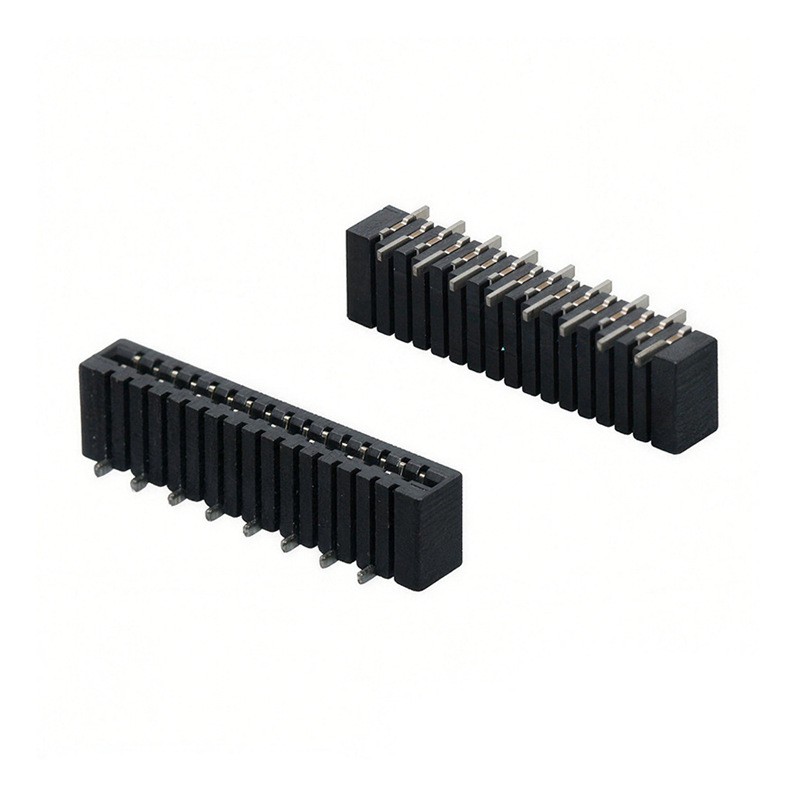
Impedance is a critical parameter in the design and performance of FPC (Flexible Printed Circuit) connectors. As a leading FPC connector supplier, we understand the significance of impedance and its impact on the overall functionality of electronic devices. In this blog post, we will delve into the concept of impedance in FPC connectors, its importance, and how it affects the performance of your electronic systems.
What is Impedance?
Impedance, represented by the symbol Z, is a measure of the opposition that a circuit presents to the flow of alternating current (AC). It combines the effects of resistance (R), inductance (L), and capacitance (C) in a circuit. In the context of FPC connectors, impedance is a crucial factor that determines the quality of signal transmission.
The impedance of an FPC connector is influenced by several factors, including the geometry of the connector, the materials used, and the operating frequency. A well-designed FPC connector should have a consistent impedance along its length to ensure efficient signal transfer and minimize signal loss.
Importance of Impedance in FPC Connectors
In high-speed electronic applications, such as data communication, video transmission, and high-performance computing, maintaining a stable impedance is essential. Any impedance mismatch can lead to signal reflections, which can degrade the signal quality and cause errors in data transmission.
For example, in a high-speed data link, a significant impedance mismatch can result in signal distortion, increased bit error rates, and reduced overall system performance. By ensuring that the impedance of the FPC connector matches the impedance of the connected circuits, we can minimize these issues and achieve reliable signal transmission.
Factors Affecting the Impedance of FPC Connectors
Geometry
The physical design of the FPC connector plays a significant role in determining its impedance. The width, thickness, and spacing of the conductive traces on the FPC, as well as the shape and size of the connector housing, can all affect the impedance.
For instance, a wider trace generally has a lower impedance, while a thinner trace has a higher impedance. Similarly, the spacing between traces can influence the capacitance between them, which in turn affects the impedance.
Materials
The materials used in the construction of the FPC connector also impact its impedance. The dielectric material between the conductive traces, the metal used for the traces, and the plating on the contacts all contribute to the overall impedance of the connector.
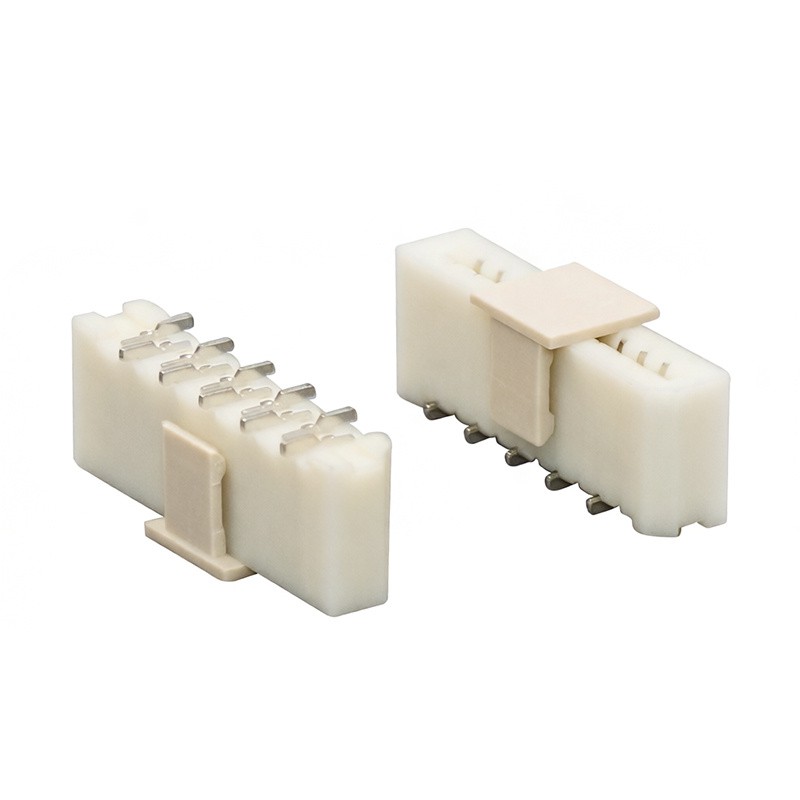

For example, a dielectric material with a high dielectric constant will increase the capacitance between the traces, resulting in a lower impedance. On the other hand, a metal with a high conductivity will reduce the resistance of the traces, also affecting the impedance.
Operating Frequency
The impedance of an FPC connector is frequency-dependent. As the operating frequency increases, the effects of inductance and capacitance become more significant, and the impedance of the connector may change.
In high-frequency applications, it is crucial to design the FPC connector to have a consistent impedance over the entire frequency range of operation. This can be achieved through careful selection of materials, proper trace geometry, and impedance matching techniques.
Measuring the Impedance of FPC Connectors
There are several methods for measuring the impedance of FPC connectors. One common approach is to use a vector network analyzer (VNA), which can measure the scattering parameters (S-parameters) of the connector. The S-parameters provide information about the reflection and transmission characteristics of the connector, from which the impedance can be calculated.
Another method is to use a time-domain reflectometer (TDR), which sends a fast electrical pulse down the FPC connector and measures the reflections. By analyzing the reflections, the impedance of the connector can be determined.
Our FPC Connector Offerings
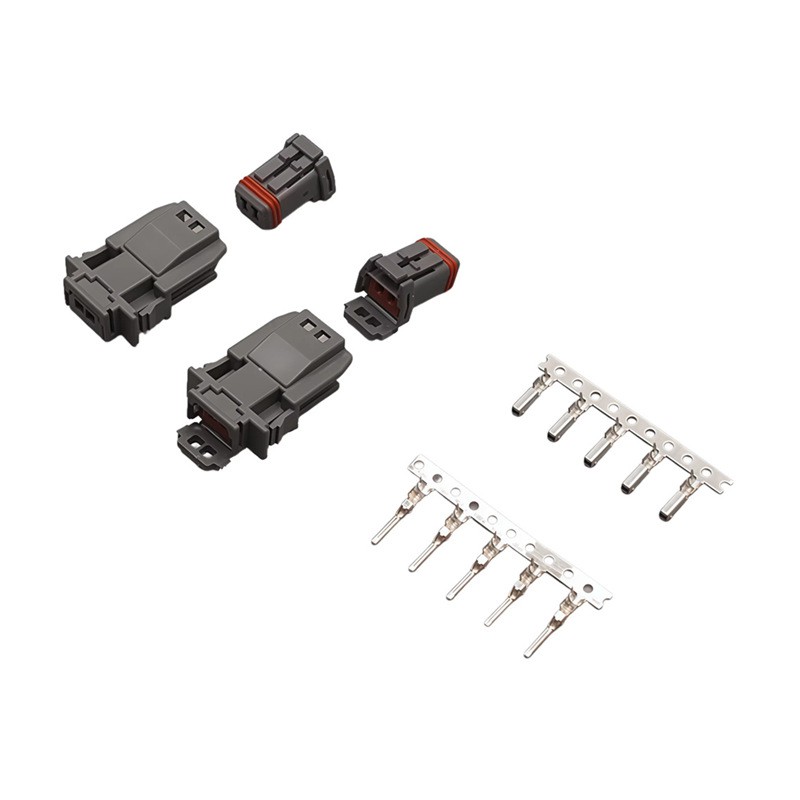
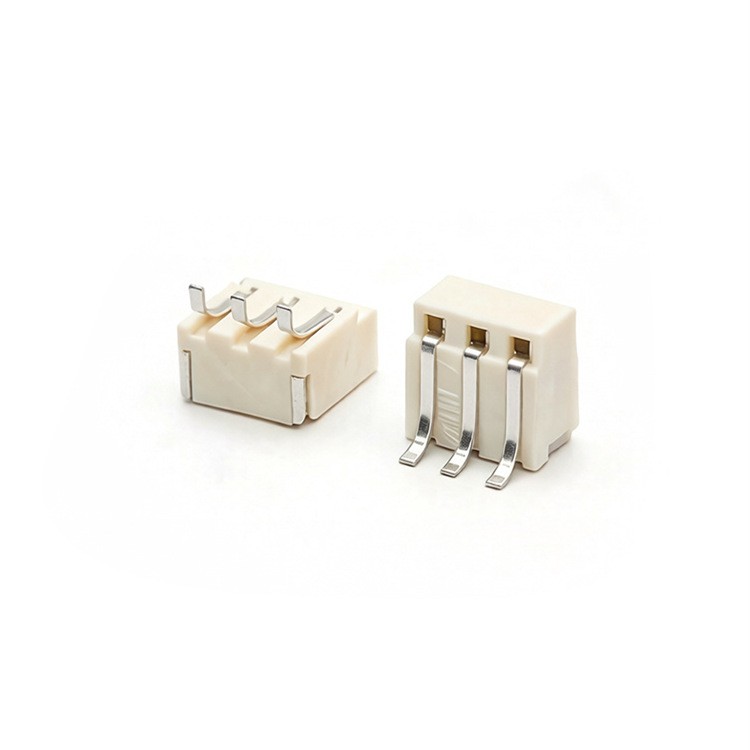
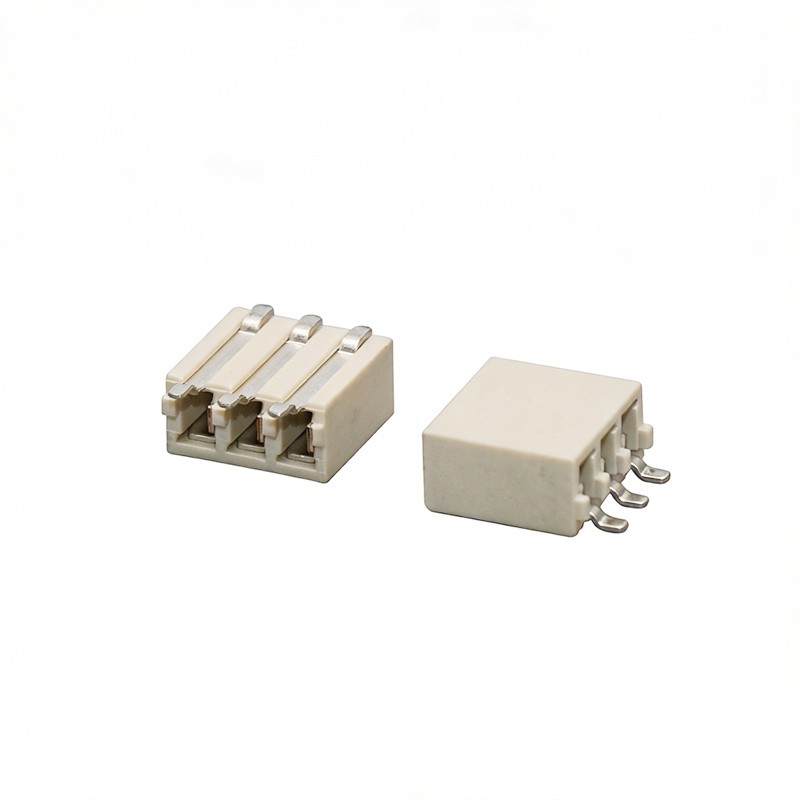
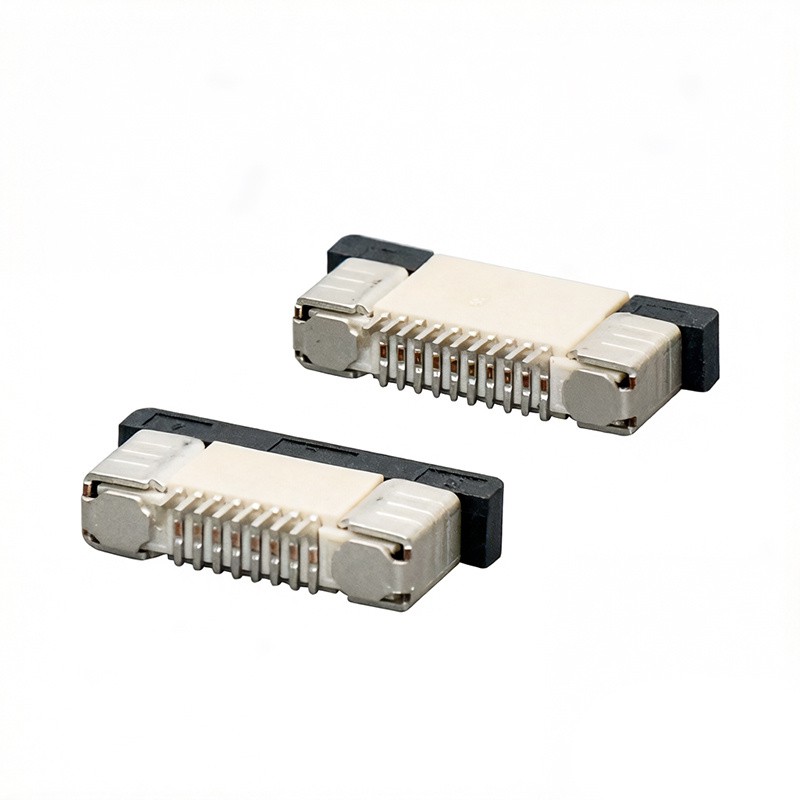
As a trusted FPC connector supplier, we offer a wide range of FPC connectors to meet the diverse needs of our customers. Our product portfolio includes FPC Display Connector, FPC To Wire Connector, and FPC Socket Connector.
Our FPC connectors are designed with careful consideration of impedance matching to ensure optimal signal transmission. We use high-quality materials and advanced manufacturing techniques to produce connectors with consistent impedance and excellent electrical performance.
Conclusion
In conclusion, the impedance of an FPC connector is a critical parameter that affects the performance of electronic devices. By understanding the factors that influence impedance and taking appropriate measures to control it, we can ensure reliable signal transmission and improve the overall performance of our electronic systems.
If you are in the market for high-quality FPC connectors, we invite you to contact us to discuss your specific requirements. Our team of experts is ready to assist you in selecting the right connector for your application and providing you with the best possible solution.
References
- Pozar, D. M. (2011). Microwave Engineering. Wiley.
- Ramo, S., Whinnery, J. R., & Van Duzer, T. (1994). Fields and Waves in Communication Electronics. Wiley.