In the realm of modern battery technology, the Battery Management System (BMS) plays a pivotal role in ensuring the safety, efficiency, and longevity of batteries. At the heart of the BMS lies the BMS connector, a crucial component that enables seamless electrical connections. One of the key electrical properties associated with BMS connectors is inductance. In this blog post, we, as a BMS connector supplier, will delve into the concept of inductance in BMS connectors, its significance, and how it impacts the overall performance of the BMS.
Understanding Inductance
Inductance is a fundamental electrical property that describes the ability of a conductor or a circuit to store energy in a magnetic field when an electric current flows through it. It is measured in henries (H) and is represented by the symbol L. When the current through an inductor changes, it induces an electromotive force (EMF) that opposes the change in current. This phenomenon is known as electromagnetic induction, as described by Faraday's law.
In the context of BMS connectors, inductance is a result of the physical design and structure of the connector. The shape, size, and material of the connector pins, as well as the spacing between them, all contribute to the overall inductance of the connector. Additionally, the presence of magnetic materials or the proximity of other conductive elements can also affect the inductance.
Significance of Inductance in BMS Connectors
The inductance of a BMS connector has several important implications for the performance of the BMS. Here are some key points to consider:
1. Signal Integrity
In a BMS, high - speed signals are often transmitted through the connectors. Inductance can cause signal distortion, such as ringing and overshoot, which can lead to errors in data transmission. A high - inductance connector can introduce delays in the signal propagation, affecting the real - time monitoring and control functions of the BMS. For example, in a lithium - ion battery BMS, accurate voltage and current measurements are crucial for battery state estimation. Any signal distortion due to inductance can lead to inaccurate readings, potentially compromising the safety and performance of the battery system.
2. Power Loss
Inductance in a BMS connector can also result in power loss. When an alternating current (AC) flows through an inductor, energy is stored and released in the magnetic field. This energy storage and release process causes power dissipation in the form of heat. In a BMS, where power efficiency is of utmost importance, excessive power loss due to inductance can reduce the overall efficiency of the system. This is particularly critical in applications where battery life is a major concern, such as electric vehicles and portable electronic devices.
3. Electromagnetic Interference (EMI)
High - inductance connectors can generate electromagnetic fields that can interfere with other electronic components in the vicinity. EMI can cause malfunctions in sensitive electronic circuits, leading to system failures. In a BMS, which is often integrated with other electronic systems in a vehicle or a device, minimizing EMI is essential for reliable operation. The inductance of the BMS connector can contribute to the overall EMI emissions of the system, and proper design and shielding are required to mitigate these effects.
Factors Affecting the Inductance of BMS Connectors
Several factors influence the inductance of BMS connectors:
1. Connector Geometry
The shape and size of the connector pins play a significant role in determining the inductance. Longer and thinner pins generally have higher inductance compared to shorter and thicker pins. The spacing between the pins also affects the inductance. A larger spacing between the pins can reduce the mutual inductance between them, resulting in lower overall inductance.
2. Material Properties
The material of the connector pins can impact the inductance. Conductive materials with high magnetic permeability, such as iron or nickel, can increase the inductance. On the other hand, non - magnetic materials like copper or aluminum are commonly used in BMS connectors to minimize inductance.
3. Connector Design
The overall design of the connector, including the number of pins, the arrangement of the pins, and the presence of shielding, can affect the inductance. For example, a connector with a more compact design may have higher inductance due to the closer proximity of the pins. Shielding can be used to reduce the external magnetic field and thus lower the inductance.
Measuring and Controlling Inductance in BMS Connectors
As a BMS connector supplier, we understand the importance of accurately measuring and controlling the inductance of our connectors. There are several methods for measuring inductance, including the use of an LCR meter, which can measure the inductance, capacitance, and resistance of a component.


To control the inductance of our BMS connectors, we employ advanced design techniques. For example, we optimize the pin geometry to minimize the inductance while maintaining the required electrical conductivity. We also use non - magnetic materials and proper shielding to reduce the impact of external magnetic fields.
Our BMS Connector Offerings
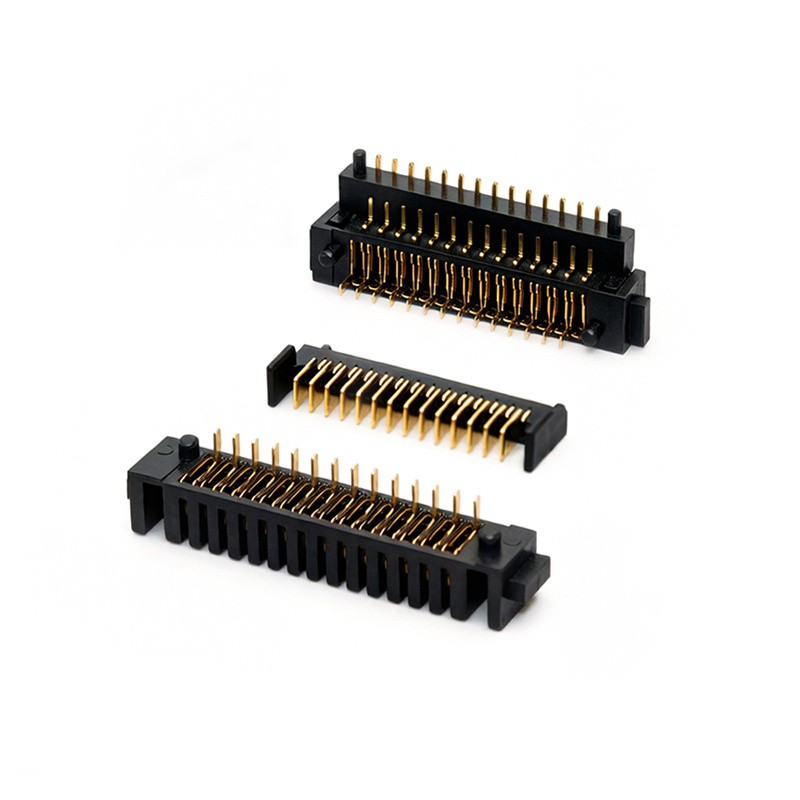
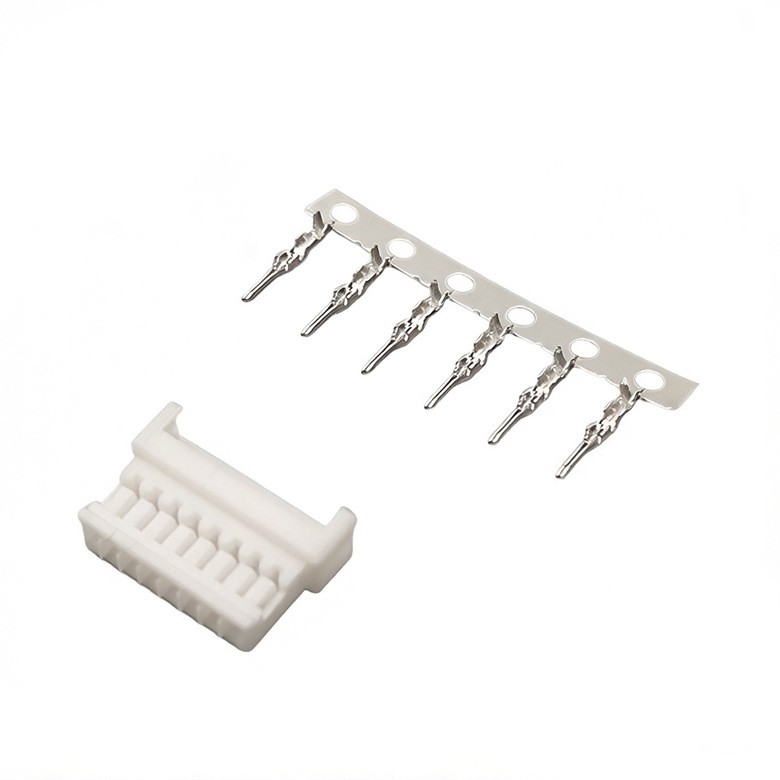
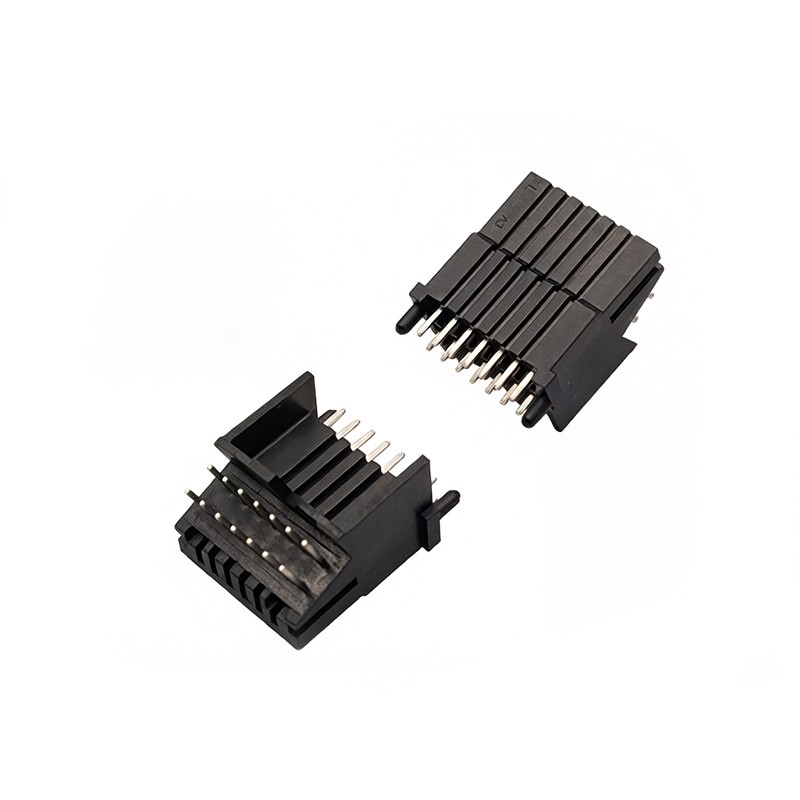
We offer a wide range of BMS connectors, including the Battery Management System Connector and the Wire - to - Board BMS Connector. Our connectors are designed with low inductance in mind to ensure high - performance and reliable operation of the BMS.
Our Battery Management System Connector is specifically engineered to provide a secure and efficient electrical connection in battery management systems. It features a compact design and high - quality materials, which help to minimize inductance and reduce signal distortion. The Wire - to - Board BMS Connector, on the other hand, is ideal for applications where a wire - to - board connection is required. It offers excellent electrical performance and is designed to withstand harsh environmental conditions.
Conclusion
Inductance is a critical parameter in BMS connectors that can significantly impact the performance of the battery management system. As a BMS connector supplier, we are committed to providing high - quality connectors with low inductance to meet the needs of our customers. Our connectors are designed to ensure signal integrity, minimize power loss, and reduce electromagnetic interference.
If you are in the market for BMS connectors and are interested in discussing your specific requirements, we encourage you to reach out to us for a procurement discussion. We have a team of experts who can provide you with detailed information about our products and help you select the most suitable connector for your application.
References
- Grover, F. W. (1946). Inductance Calculations: Working Formulas and Tables. Dover Publications.
- Horowitz, P., & Hill, W. (1989). The Art of Electronics. Cambridge University Press.