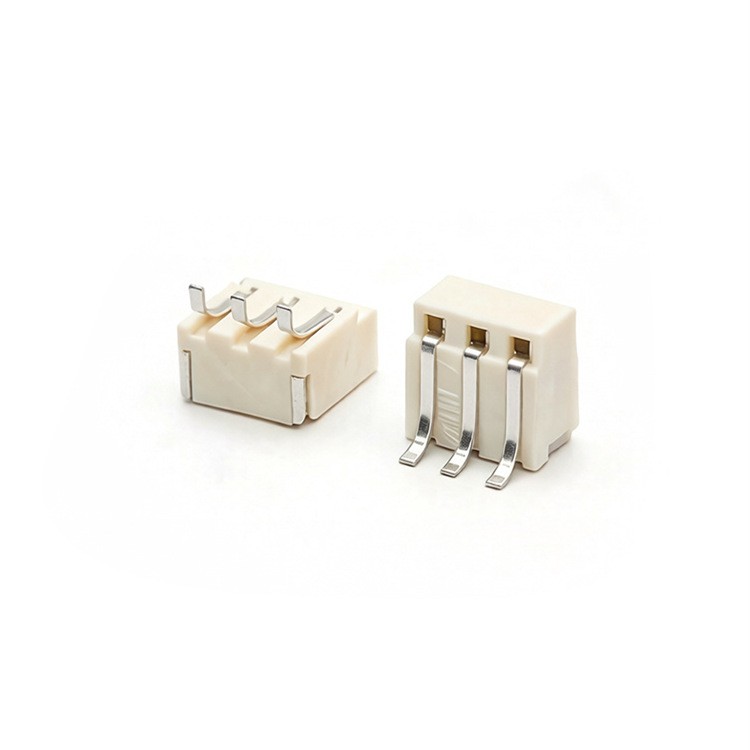
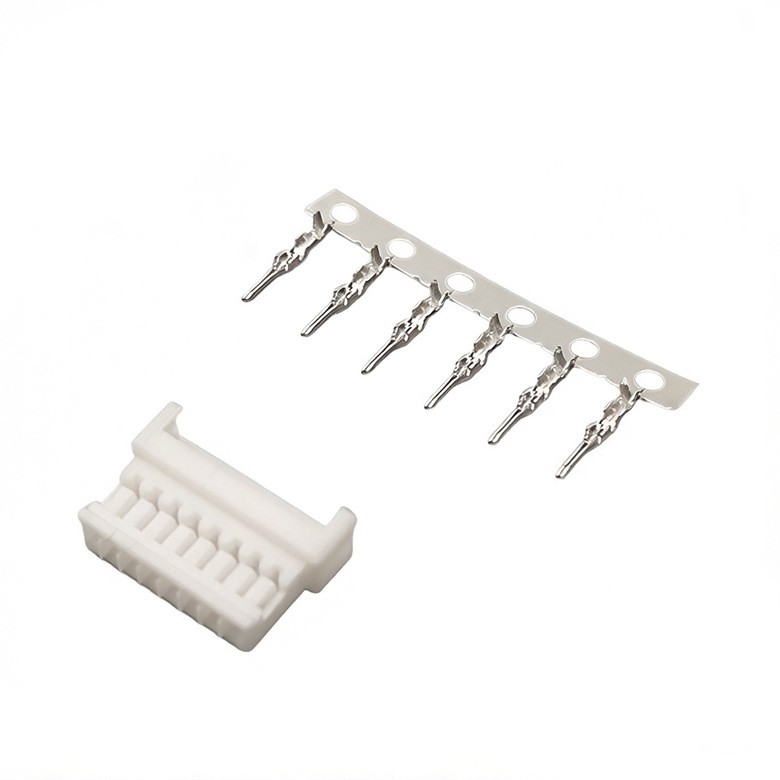
When it comes to electrical systems, inline connectors wire to wire play a crucial role. As a well - established supplier of inline connectors wire to wire, I understand the significance of measuring their performance accurately. In this blog post, I will delve into the various aspects and methods of measuring the performance of inline connectors wire to wire.
Electrical Performance
Contact Resistance
Contact resistance is one of the most fundamental parameters for evaluating inline connectors. It refers to the resistance at the contact interface between the connector pins or sockets. A low contact resistance is desirable as it minimizes power loss and heat generation.
To measure contact resistance, a precision multimeter can be used. The test setup involves connecting the multimeter across the connector contacts. Before measurement, it is essential to ensure that the contacts are clean and free from any contaminants. Oxidation or dirt on the contacts can significantly increase the contact resistance.
For example, if the contact resistance of a wire - to - wire inline connector is too high, it can lead to voltage drops in the circuit. This voltage drop can cause malfunctions in the connected electrical devices, especially those that are sensitive to voltage variations.
Insulation Resistance
Insulation resistance measures the ability of the insulating material in the connector to prevent the flow of electric current. High insulation resistance is necessary to avoid electrical leakage and short - circuits.
To measure insulation resistance, an insulation resistance tester, also known as a megohmmeter, is commonly used. The tester applies a high DC voltage across the insulation and measures the resulting current. Based on Ohm's law (R = V/I), the insulation resistance can be calculated.
In practical applications, a low insulation resistance can indicate moisture ingress, damage to the insulation material, or manufacturing defects. For instance, in outdoor electrical systems where inline connectors are exposed to the elements, moisture can penetrate the connector and reduce the insulation resistance.
Mechanical Performance
Insertion and Withdrawal Force
Insertion and withdrawal force are important mechanical performance indicators. The insertion force is the force required to connect the two halves of the inline connector, while the withdrawal force is the force needed to separate them.
These forces are measured using a force - measuring device, such as a force gauge. The ideal insertion and withdrawal forces should be within a reasonable range. If the insertion force is too high, it can be difficult to connect the connectors, which may lead to improper mating. On the other hand, if the withdrawal force is too low, the connectors may come loose during operation, causing intermittent connections.
For example, in automotive applications, where vibrations are common, connectors with appropriate insertion and withdrawal forces are crucial to ensure a stable electrical connection.
Durability
Durability refers to the ability of the inline connector to withstand repeated mating and unmating cycles without significant degradation in performance. To test the durability of a connector, a cycling test is conducted.
During the cycling test, the connector is mated and unmated a specified number of times. After each cycle, the electrical and mechanical performance parameters are measured. For instance, the contact resistance may increase slightly after a certain number of cycles. If the increase exceeds a predefined threshold, it indicates that the connector may not be durable enough for long - term use.
Environmental Performance
Temperature Resistance
Inline connectors are often exposed to a wide range of temperatures in different applications. Temperature resistance is measured by subjecting the connector to extreme temperatures and then evaluating its performance.
The connector is placed in a temperature - controlled chamber, and its electrical and mechanical properties are measured at different temperature points. For example, at high temperatures, the material of the connector may expand, which can affect the contact resistance and the mechanical integrity of the connector.
Waterproof Performance
Waterproof performance is crucial for inline connectors used in outdoor or wet environments. To measure the waterproof performance, the connector is submerged in water for a specified period, and then the electrical performance is checked.
Our Waterproof Wire To Wire Connector is designed to meet high - level waterproof requirements. These connectors are tested to ensure that they can prevent water ingress even under harsh conditions.
Other Performance Aspects
Signal Integrity
In applications where data transmission is involved, signal integrity is of utmost importance. For inline connectors used in high - speed data communication, parameters such as impedance matching, crosstalk, and attenuation need to be measured.
Specialized test equipment, such as a network analyzer, is used to measure these parameters. For example, impedance mismatches can cause signal reflections, which can degrade the quality of the transmitted data.
Current - Carrying Capacity
The current - carrying capacity of an inline connector refers to the maximum amount of current that the connector can safely carry without overheating. To measure the current - carrying capacity, a current is passed through the connector, and the temperature rise is monitored.
If the temperature rise exceeds a certain limit, it indicates that the connector may not be able to handle the current. This can lead to premature failure of the connector and pose a safety hazard.
Importance of Performance Measurement
Accurately measuring the performance of inline connectors is essential for several reasons. Firstly, it ensures the reliability of the electrical system. A connector with poor performance can cause intermittent connections, which can lead to system failures and costly repairs.
Secondly, performance measurement helps in quality control. By measuring the performance of each batch of connectors, we can identify any manufacturing defects and take corrective actions.
Finally, it allows us to compare different connector designs and materials. This helps in selecting the most suitable connector for a specific application.
Our Product Range
We offer a wide range of Inline Connectors Wire To Wire that are designed to meet various performance requirements. Our Wire To Wire Plug Connectors are known for their high - quality construction and excellent performance.
Contact for Purchase and Discussion
If you are in the market for high - quality inline connectors wire to wire, we are here to help. Whether you need to discuss specific performance requirements, or you are ready to place an order, we are just a message away. Our team of experts can provide you with detailed information and guidance to ensure that you choose the right connectors for your application.


References
- "Handbook of Electrical Connectors" by E. A. Marrese
- "Electrical Connector Design Handbook" by I. A. Watson