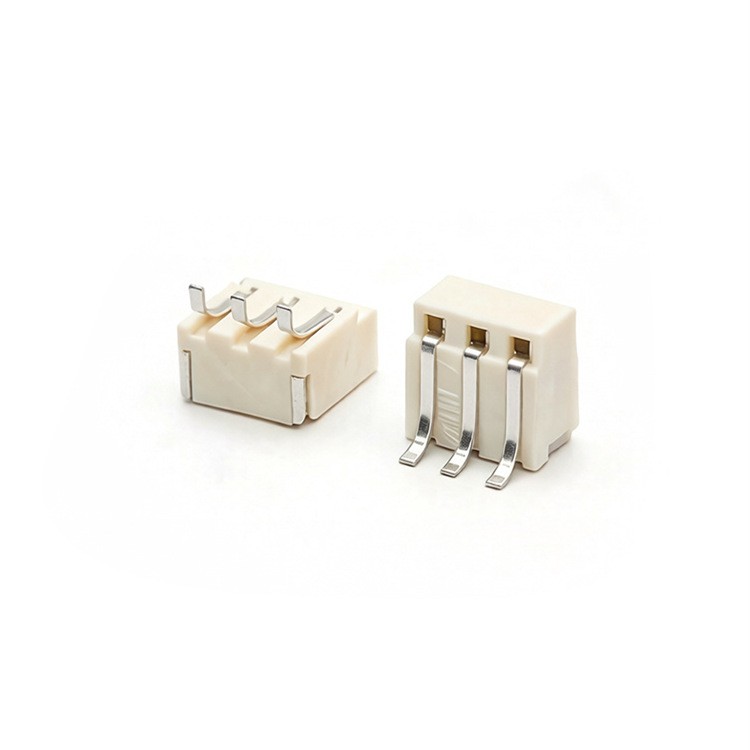
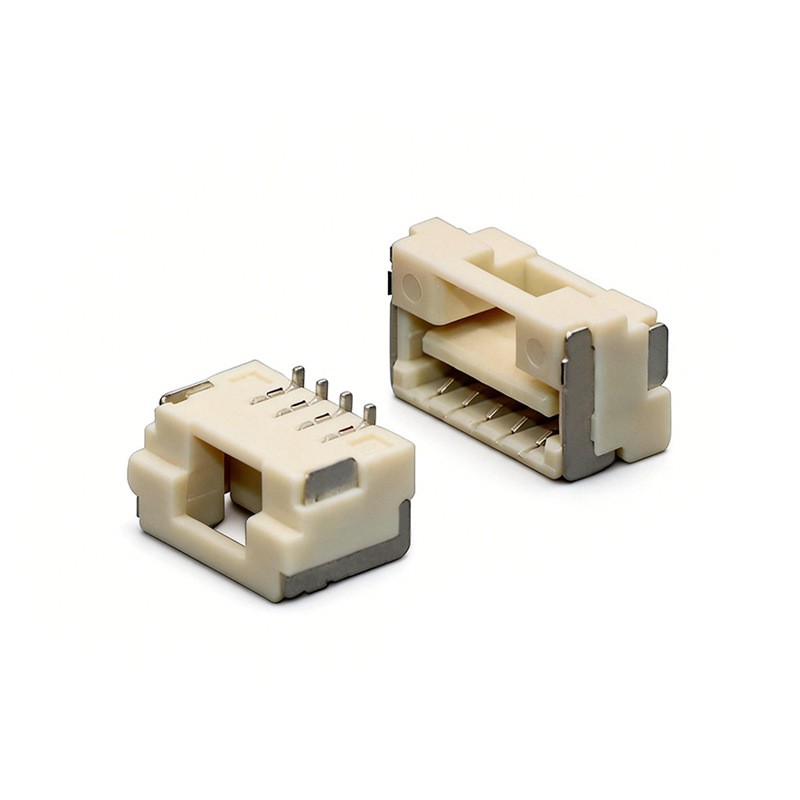
Hey there! As a BMS connector supplier, I've seen firsthand how crucial it is to have reliable connectors in battery management systems. In this blog, I'm gonna share some tips on how to improve the reliability of a BMS connector.
Understanding the Basics of BMS Connectors
Before we dive into the ways to improve reliability, let's quickly go over what a BMS connector is. A Battery Management System Connector is a key component in a battery management system. It's responsible for connecting various parts of the BMS, like the battery cells, sensors, and control units. These connectors need to be reliable because any failure can lead to issues like inaccurate battery readings, reduced battery life, or even safety hazards.
Selecting the Right Materials
One of the first steps in improving the reliability of a BMS connector is choosing the right materials. The materials used in the connector can have a big impact on its performance and durability.
- Conductor Materials: For the conductors, copper is a popular choice because it has excellent electrical conductivity. High-quality copper ensures low resistance, which means less power loss and better overall performance. Some connectors also use copper alloys to improve strength and corrosion resistance.
- Insulation Materials: The insulation material is just as important. It needs to be able to withstand high temperatures, chemicals, and mechanical stress. Materials like polyamide and polycarbonate are commonly used because they offer good insulation properties and are resistant to environmental factors.
Design Considerations
The design of the BMS connector plays a significant role in its reliability. Here are some design aspects to keep in mind:
- Contact Design: The contact design is crucial for ensuring a stable electrical connection. A good contact design should have a large contact area and a low contact resistance. This helps to minimize heat generation and improve the overall performance of the connector. For example, some connectors use a spring-loaded contact design, which provides a reliable connection even under vibration or movement.
- Mechanical Design: The mechanical design of the connector should be robust enough to withstand the rigors of the application. It should be able to resist shock, vibration, and mechanical stress. For instance, a connector with a locking mechanism can prevent accidental disconnection, which is especially important in automotive or industrial applications.
Manufacturing Quality Control
Ensuring high manufacturing quality is essential for improving the reliability of BMS connectors. Here are some quality control measures that we implement in our production process:
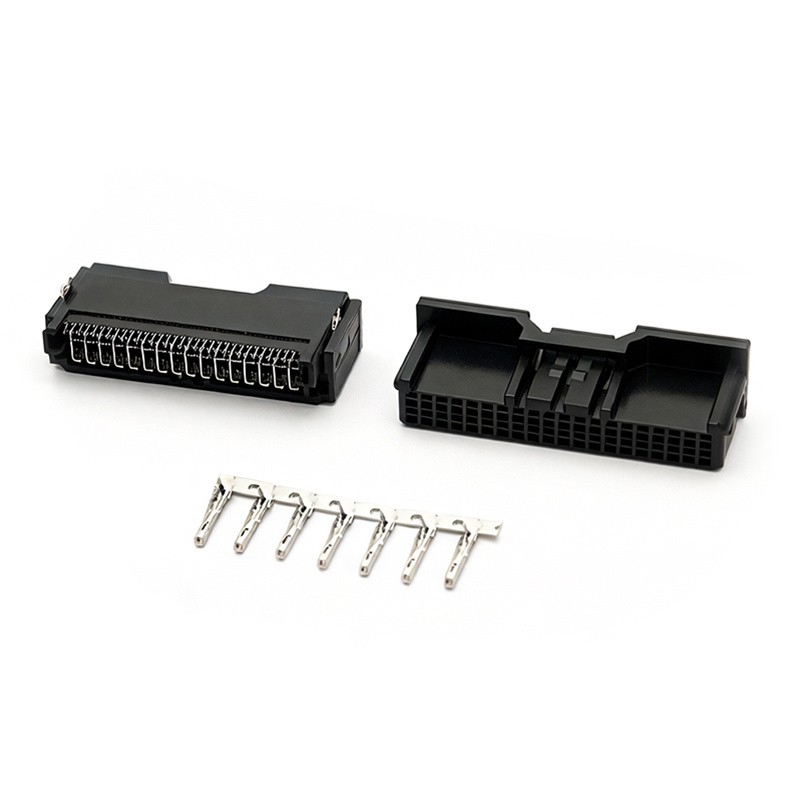

- Raw Material Inspection: We carefully inspect all the raw materials before they are used in the manufacturing process. This helps to ensure that the materials meet our quality standards and are free from defects.
- In-Process Inspection: During the manufacturing process, we conduct regular inspections to monitor the quality of the connectors. This includes checking the dimensions, electrical properties, and mechanical properties of the connectors at various stages of production.
- Final Testing: Before the connectors are shipped to our customers, we perform a final testing to ensure that they meet all the specifications and requirements. This includes electrical testing, mechanical testing, and environmental testing.
Environmental Considerations
The environment in which the BMS connector operates can have a significant impact on its reliability. Here are some environmental factors to consider:
- Temperature: Extreme temperatures can affect the performance of the connector. High temperatures can cause the materials to expand, which can lead to loose connections. On the other hand, low temperatures can make the materials brittle, increasing the risk of cracking. To mitigate these effects, we use materials that can withstand a wide range of temperatures.
- Humidity: Humidity can cause corrosion and oxidation of the connector contacts, which can lead to increased resistance and poor electrical performance. To prevent this, we use connectors with a protective coating or seal to keep moisture out.
- Vibration and Shock: In applications where the connector is exposed to vibration and shock, it's important to choose a connector that can withstand these forces. A connector with a secure locking mechanism and a robust mechanical design can help to prevent accidental disconnection.
Maintenance and Monitoring
Regular maintenance and monitoring can also help to improve the reliability of BMS connectors. Here are some tips:
- Visual Inspection: Periodically inspect the connectors for any signs of damage, such as cracks, corrosion, or loose connections. If any issues are found, they should be addressed immediately.
- Electrical Testing: Conduct electrical testing on a regular basis to ensure that the connectors are functioning properly. This can help to detect any potential problems before they cause a failure.
- Cleaning: Keep the connectors clean to prevent the buildup of dirt, dust, and debris. This can help to maintain good electrical contact and prevent corrosion.
Conclusion
Improving the reliability of a BMS connector is a multi-faceted process that involves selecting the right materials, designing the connector properly, ensuring high manufacturing quality, considering the environmental factors, and performing regular maintenance and monitoring. By following these tips, you can ensure that your BMS connectors are reliable and perform well in your applications.
If you're in the market for high-quality Wire-to-Board BMS Connector or other BMS connectors, we'd love to hear from you. Contact us to discuss your specific requirements and let's work together to find the best solution for your needs.
References
- "Battery Management System Design and Implementation" by XYZ Publishing
- "Connectors for Automotive Applications" by ABC Research Institute