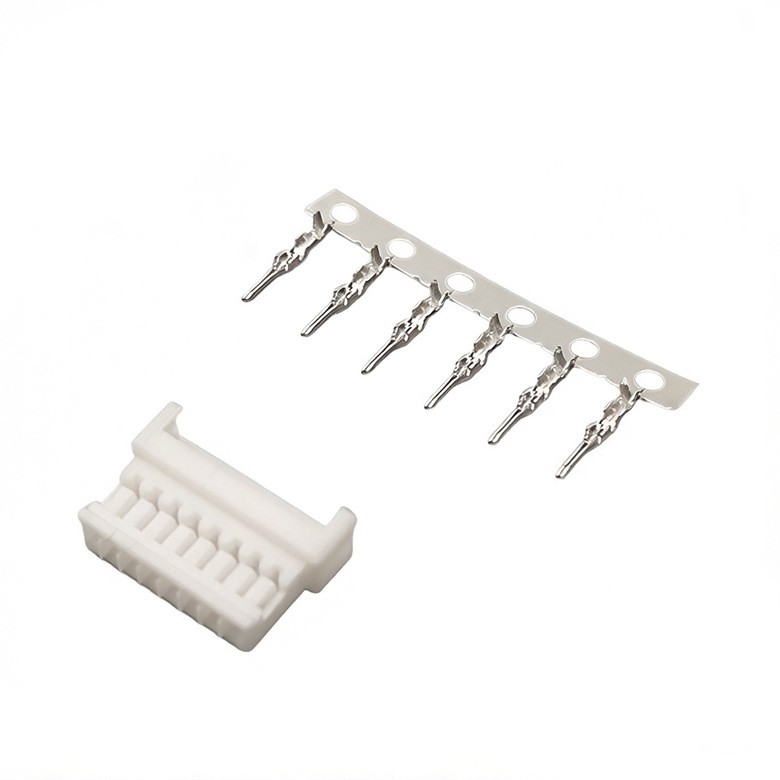
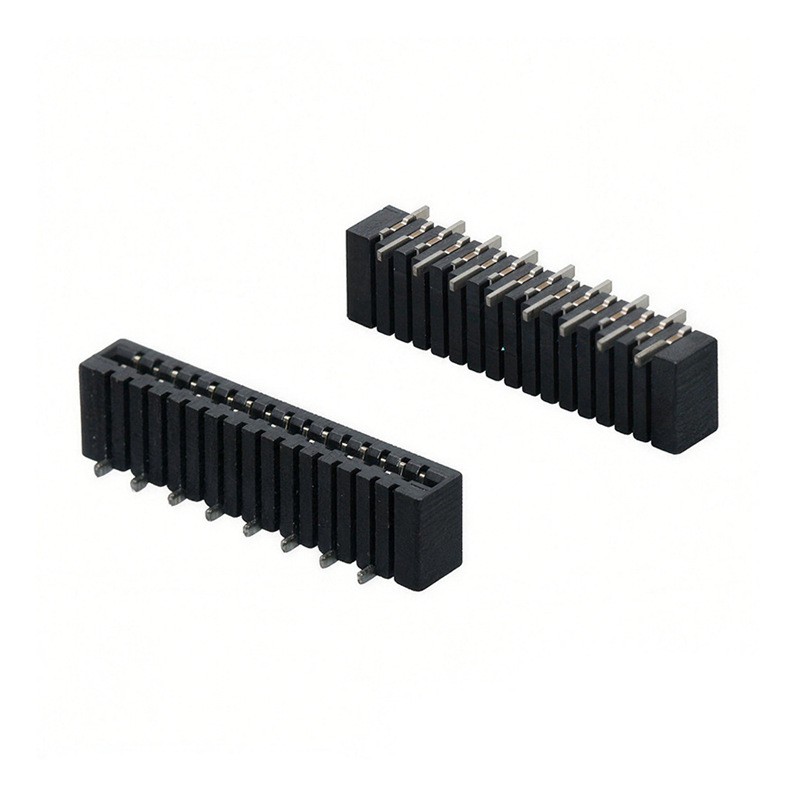
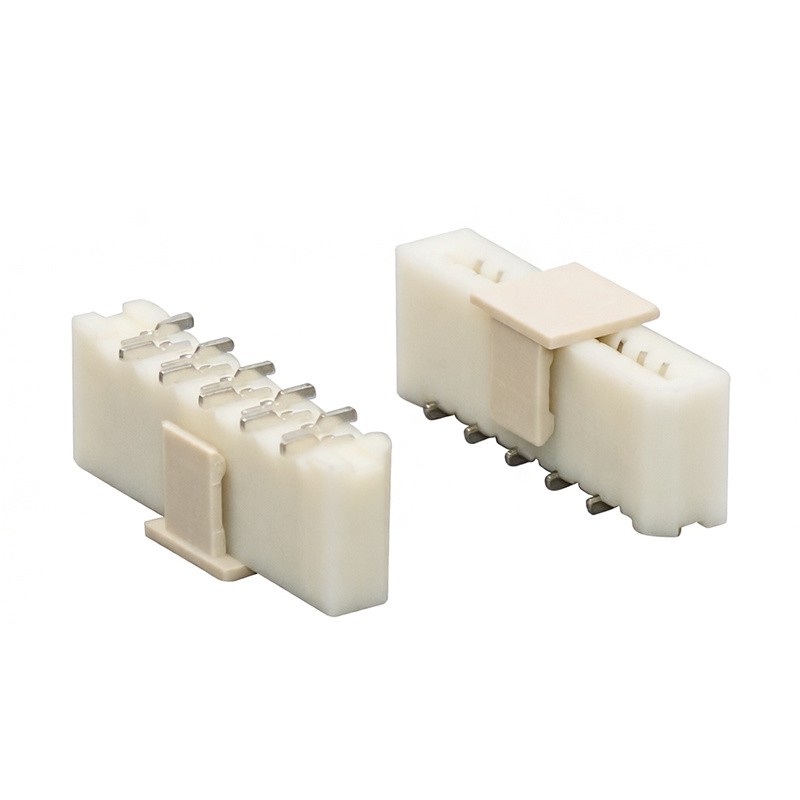
In the realm of electronic components, Low Profile Header Connectors have emerged as a crucial element in modern electronic devices. As a dedicated supplier of Low Profile Header Connectors, I am often asked about the mechanical strength of these connectors. In this blog, I will delve into the concept of mechanical strength in Low Profile Header Connectors, exploring its significance, influencing factors, and how it impacts the overall performance of electronic systems.
Understanding the Significance of Mechanical Strength
Mechanical strength is a fundamental property of Low Profile Header Connectors that determines their ability to withstand various mechanical stresses during operation. These stresses can include insertion and extraction forces, vibrations, shocks, and environmental factors such as temperature and humidity. A connector with high mechanical strength ensures reliable electrical connections, minimizes the risk of signal interruption, and extends the lifespan of the electronic device.
In many applications, such as automotive electronics, aerospace systems, and industrial equipment, Low Profile Header Connectors are exposed to harsh operating conditions. For example, in automotive applications, connectors are subjected to vibrations from the engine and road, as well as temperature variations. In aerospace systems, connectors must withstand high levels of shock and vibration during takeoff, flight, and landing. Therefore, the mechanical strength of Low Profile Header Connectors is of utmost importance to ensure the safety and reliability of these critical systems.
Factors Influencing the Mechanical Strength of Low Profile Header Connectors
Several factors contribute to the mechanical strength of Low Profile Header Connectors. Understanding these factors is essential for designing and manufacturing connectors that meet the specific requirements of different applications.
Material Selection
The choice of materials plays a crucial role in determining the mechanical strength of Low Profile Header Connectors. The housing material should have high strength, good dimensional stability, and resistance to environmental factors. Common materials used for connector housings include plastics such as polycarbonate, nylon, and PBT (polybutylene terephthalate). These materials offer a good balance of strength, durability, and cost-effectiveness.
The contact material is also critical for the mechanical strength of the connector. Contacts are typically made of metals such as copper, brass, or phosphor bronze, which have high electrical conductivity and good mechanical properties. The surface finish of the contacts, such as gold plating, can also improve the mechanical strength and corrosion resistance of the connector.
Design and Geometry
The design and geometry of the connector can significantly affect its mechanical strength. A well-designed connector should have a robust structure that can withstand the forces applied during insertion and extraction. The shape and size of the connector, as well as the arrangement of the contacts, can also impact its mechanical performance.
For example, a connector with a larger contact area and a more secure locking mechanism will generally have higher mechanical strength. Additionally, the use of features such as ribs, bosses, and gaskets can enhance the structural integrity of the connector and improve its resistance to vibrations and shocks.
Manufacturing Processes
The manufacturing processes used to produce Low Profile Header Connectors can also influence their mechanical strength. Precision manufacturing techniques, such as injection molding and stamping, can ensure the accurate production of connector components with consistent dimensions and high quality.
During the assembly process, proper alignment and mating of the contacts are crucial to ensure a reliable electrical connection and high mechanical strength. The use of automated assembly equipment can help to improve the accuracy and efficiency of the assembly process, reducing the risk of errors and ensuring the consistent quality of the connectors.
Measuring the Mechanical Strength of Low Profile Header Connectors
To ensure the quality and performance of Low Profile Header Connectors, it is important to measure their mechanical strength using appropriate testing methods. Some common tests used to evaluate the mechanical strength of connectors include:
Insertion and Extraction Force Testing
Insertion and extraction force testing measures the force required to insert and remove the connector from a mating connector or a printed circuit board. This test helps to ensure that the connector can be easily installed and removed without causing damage to the contacts or the housing.
Vibration and Shock Testing
Vibration and shock testing simulates the real-world operating conditions of the connector by subjecting it to vibrations and shocks. This test helps to evaluate the connector's ability to withstand mechanical stresses and maintain a reliable electrical connection.
Temperature and Humidity Testing
Temperature and humidity testing exposes the connector to different temperature and humidity conditions to evaluate its performance under extreme environmental conditions. This test helps to ensure that the connector can operate reliably in a wide range of temperatures and humidity levels.
Applications of Low Profile Header Connectors
Low Profile Header Connectors are widely used in various industries due to their compact size, high performance, and reliable mechanical strength. Some common applications of Low Profile Header Connectors include:


Consumer Electronics
In consumer electronics, such as smartphones, tablets, and laptops, Low Profile Header Connectors are used to connect different components, such as the battery, display, and camera. These connectors need to be small in size and have high mechanical strength to ensure reliable electrical connections in a compact device.
Automotive Electronics
In the automotive industry, Low Profile Header Connectors are used in various applications, such as engine control units, infotainment systems, and lighting systems. These connectors need to withstand high levels of vibrations, shocks, and temperature variations to ensure the safety and reliability of the vehicle.
Industrial Equipment
In industrial equipment, such as automation systems, robotics, and control panels, Low Profile Header Connectors are used to connect different components and sensors. These connectors need to have high mechanical strength and resistance to environmental factors to ensure the reliable operation of the equipment.
Conclusion
In conclusion, the mechanical strength of Low Profile Header Connectors is a critical factor that determines their performance and reliability in various applications. By understanding the factors that influence the mechanical strength of these connectors and using appropriate testing methods, we can ensure that the connectors meet the specific requirements of different applications.
As a supplier of Low Profile Header Connectors, we are committed to providing high-quality connectors with excellent mechanical strength. Our connectors are designed and manufactured using the latest technology and materials to ensure reliable electrical connections and long service life.
If you are interested in purchasing Low Profile Header Connectors or have any questions about their mechanical strength, please feel free to contact us for more information. We look forward to discussing your specific requirements and providing you with the best solutions for your electronic applications.
References
- IPC-A-610: Acceptability of Electronic Assemblies
- MIL-STD-202: Test Methods for Electronic and Electrical Component Parts
- ASTM D638: Standard Test Method for Tensile Properties of Plastics