Hey there! As a supplier of FPC connectors, I often get asked about the extraction force of these little wonders. So, let's dive right in and talk about what the extraction force of an FPC connector is all about.
First off, what's an FPC connector? FPC stands for Flexible Printed Circuit. These connectors are super handy because they allow for flexible connections between different parts of an electronic device. They're used in all sorts of stuff, from smartphones and tablets to laptops and automotive electronics.


Now, the extraction force of an FPC connector is basically the amount of force you need to pull the FPC cable out of the connector. It's an important factor to consider because it affects how easy or difficult it is to install and remove the cable.
Why is Extraction Force Important?
There are a few reasons why the extraction force of an FPC connector matters.
1. Installation and Maintenance
When you're assembling a device, you want the FPC cable to fit snugly into the connector. A connector with the right extraction force makes it easy to insert the cable during installation. And when it comes to maintenance or replacement, you don't want the cable to be too difficult to remove. If the extraction force is too high, it can be a real pain to get the cable out without damaging the connector or the cable itself.
2. Reliability
The extraction force also affects the reliability of the connection. If the extraction force is too low, the cable might come loose easily, leading to intermittent connections or even complete disconnection. On the other hand, if the extraction force is too high, it can put stress on the connector and the cable, which can cause damage over time.
Factors Affecting Extraction Force
Several factors can influence the extraction force of an FPC connector.
1. Connector Design
The design of the connector plays a big role in determining the extraction force. For example, some connectors have a locking mechanism that holds the cable in place more securely. These types of connectors usually have a higher extraction force. Other connectors might have a more simple design, which can result in a lower extraction force.
2. Contact Material
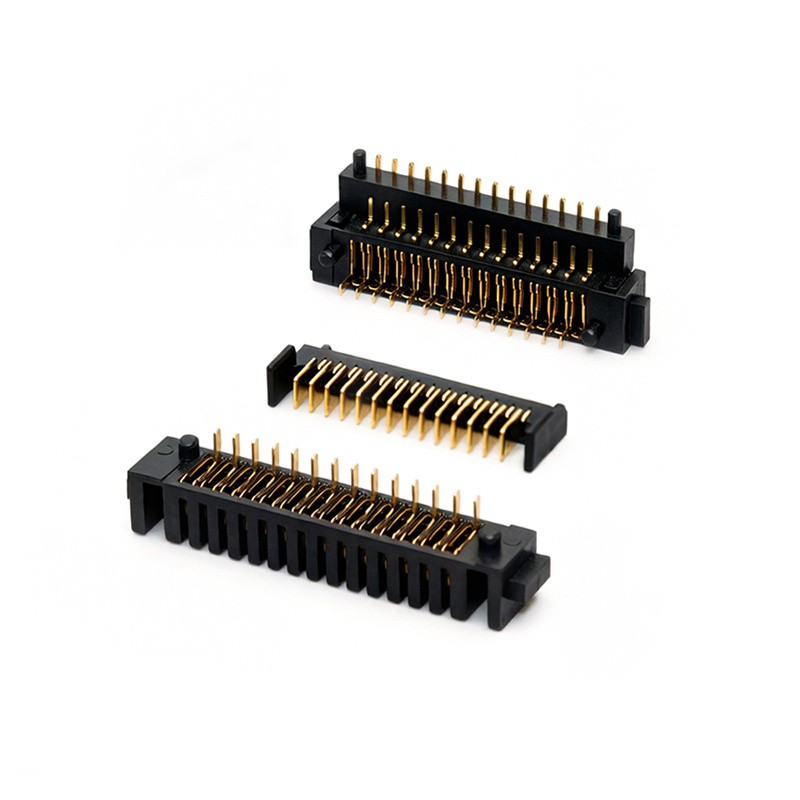
The material used for the contacts in the connector can also affect the extraction force. Different materials have different levels of friction and adhesion. For instance, connectors with gold-plated contacts tend to have a lower extraction force compared to those with other types of contacts because gold has a smooth surface and low friction.
3. Cable Thickness and Flexibility
The thickness and flexibility of the FPC cable can impact the extraction force as well. Thicker cables generally require more force to insert and remove compared to thinner ones. And if the cable is less flexible, it can also increase the extraction force.
Measuring Extraction Force
So, how do you measure the extraction force of an FPC connector? Well, there are specific testing methods and equipment for this. Usually, a testing machine is used to apply a pulling force to the FPC cable at a constant rate until it is removed from the connector. The maximum force recorded during this process is the extraction force.
Our FPC Connector Offerings
As a supplier, we offer a wide range of FPC connectors, each with different extraction forces to meet the needs of various applications.
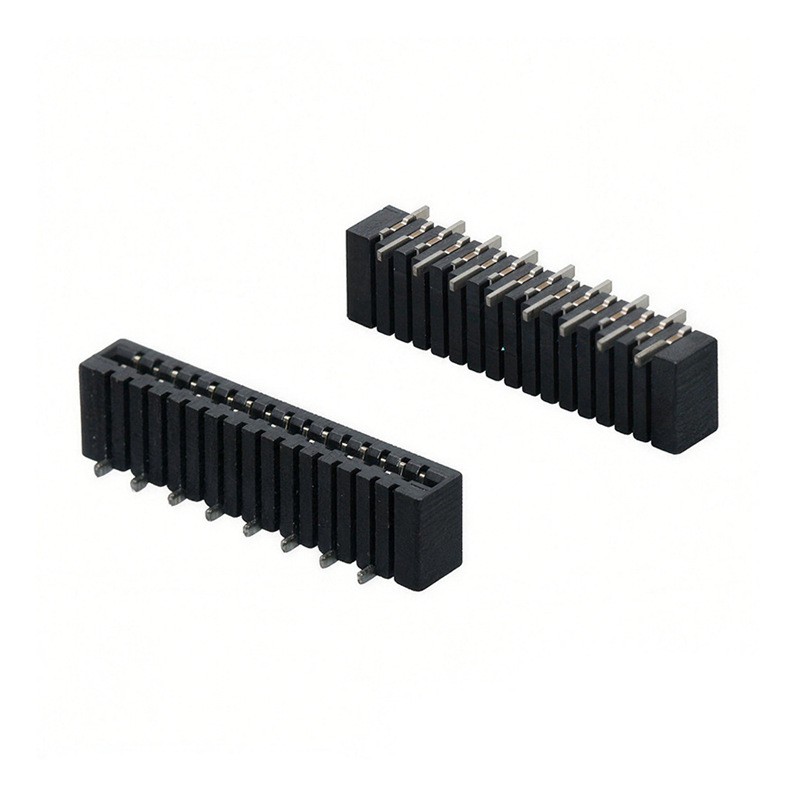
If you're looking for an FPC socket connector, check out our FPC Socket Connector. These connectors are designed to provide a reliable and secure connection, with an extraction force that's just right for easy installation and removal.
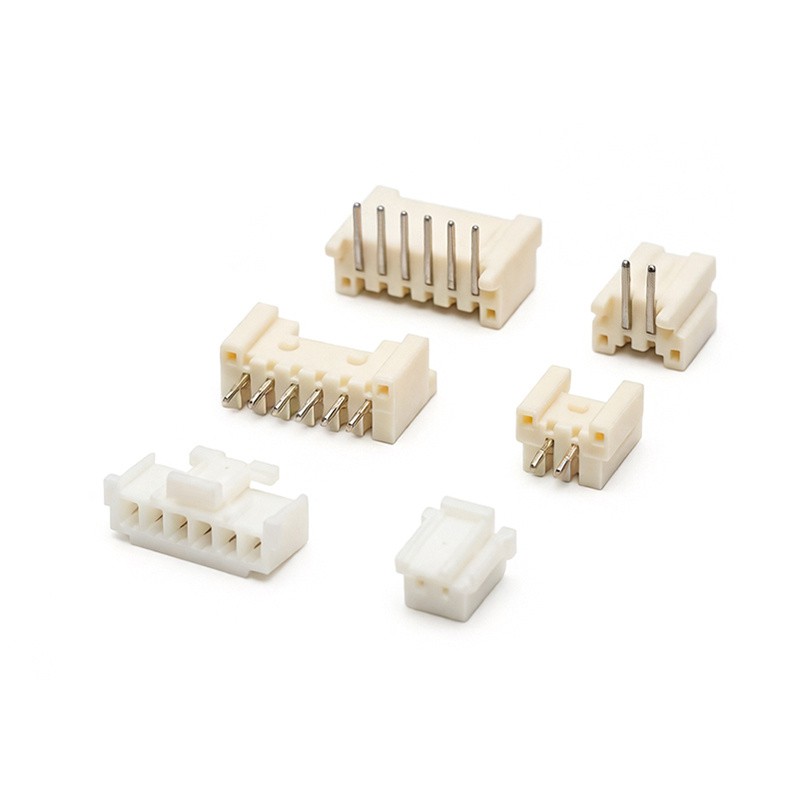
For those who need an FPC ribbon cable connector, our FPC Ribbon Cable Connector is a great choice. It offers a good balance between extraction force and flexibility, ensuring a stable connection.
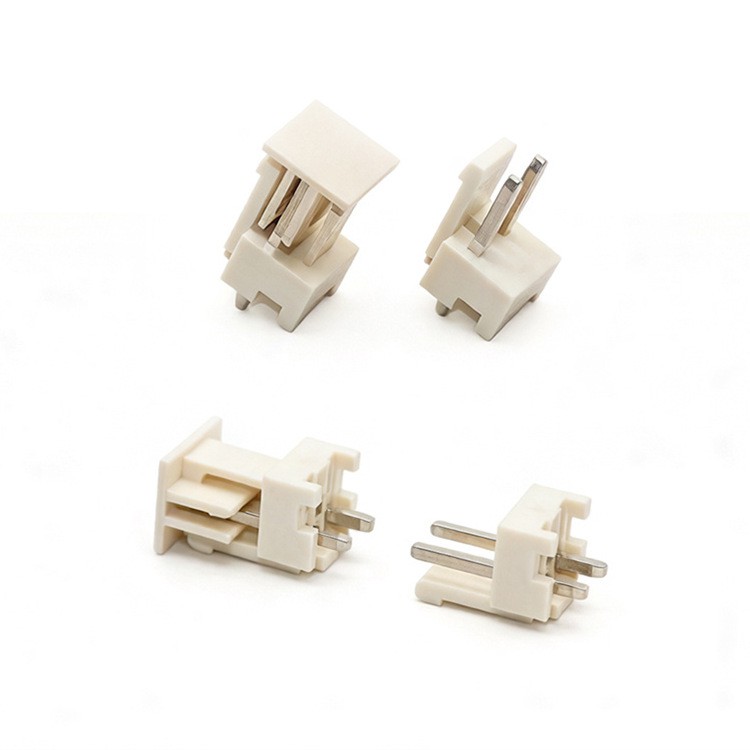
And if you're working on a project that requires an FPC to wire connector, take a look at our FPC To Wire Connector. This connector is designed to provide a strong and reliable connection, with an extraction force that can be adjusted to suit your specific requirements.
How to Choose the Right Extraction Force
When choosing an FPC connector, it's important to consider the specific requirements of your application. If you need a connector that's easy to install and remove frequently, you might want to choose one with a lower extraction force. On the other hand, if you need a connector that provides a more secure connection and can withstand vibrations and other external forces, a higher extraction force might be more suitable.
Conclusion
In conclusion, the extraction force of an FPC connector is an important factor to consider when choosing the right connector for your application. It affects the installation, maintenance, and reliability of the connection. As a supplier, we understand the importance of providing high-quality FPC connectors with the right extraction force.
If you're in the market for FPC connectors and want to discuss your specific requirements, don't hesitate to reach out. We're here to help you find the perfect connector for your project. Whether you need a connector with a low extraction force for easy installation or a high extraction force for a more secure connection, we've got you covered.
References
- "FPC Connector Handbook", published by a leading electronics industry organization.
- Various technical papers on FPC connector design and performance.