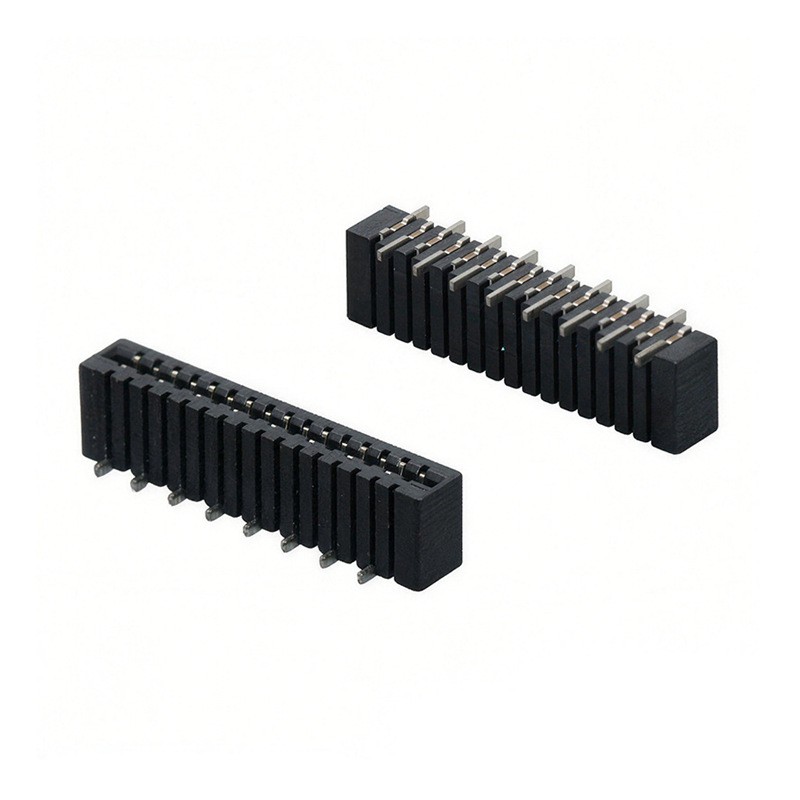
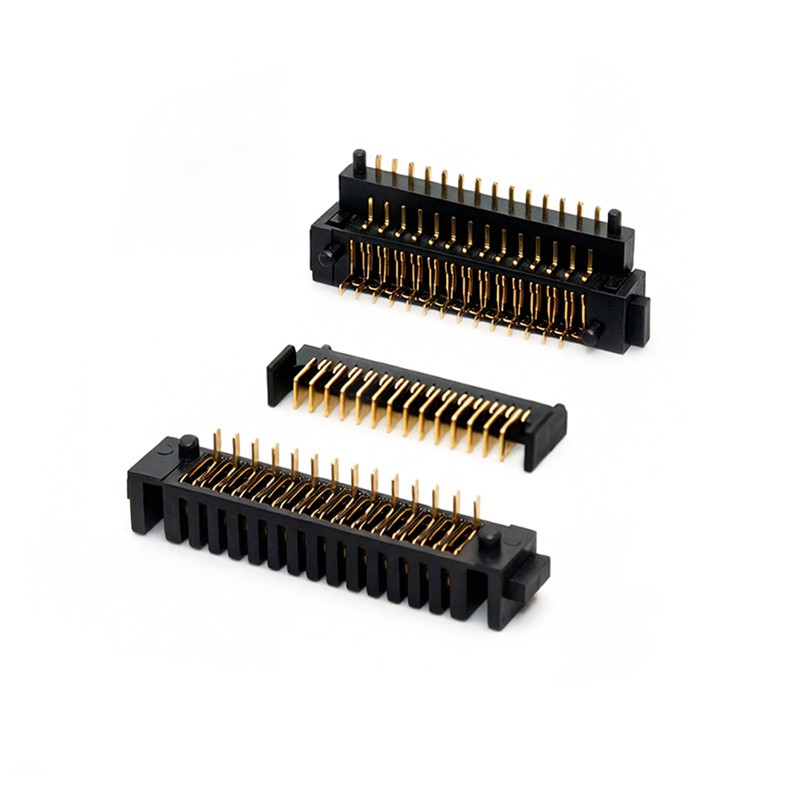
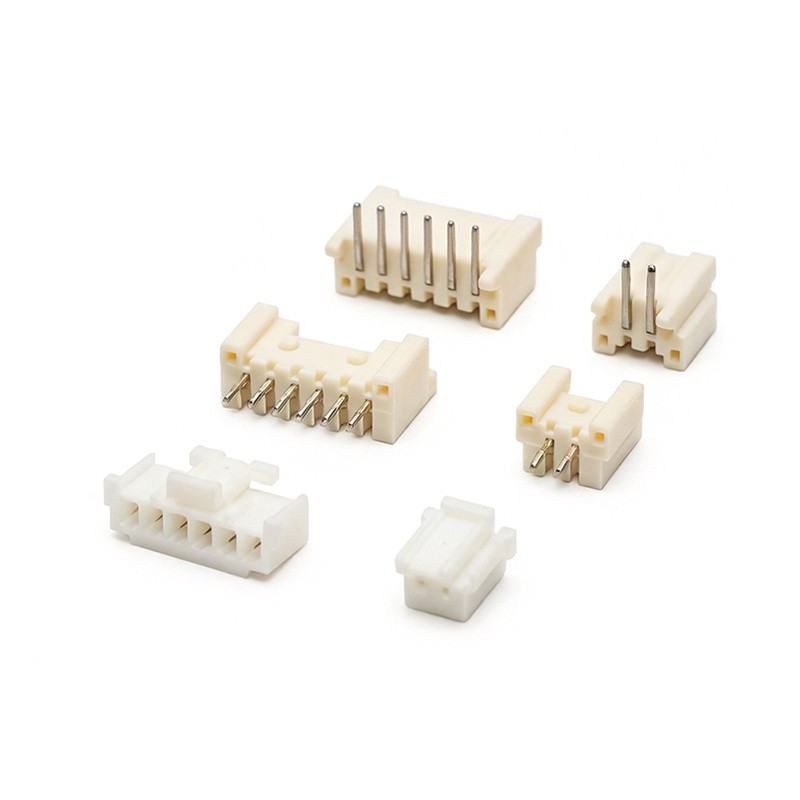
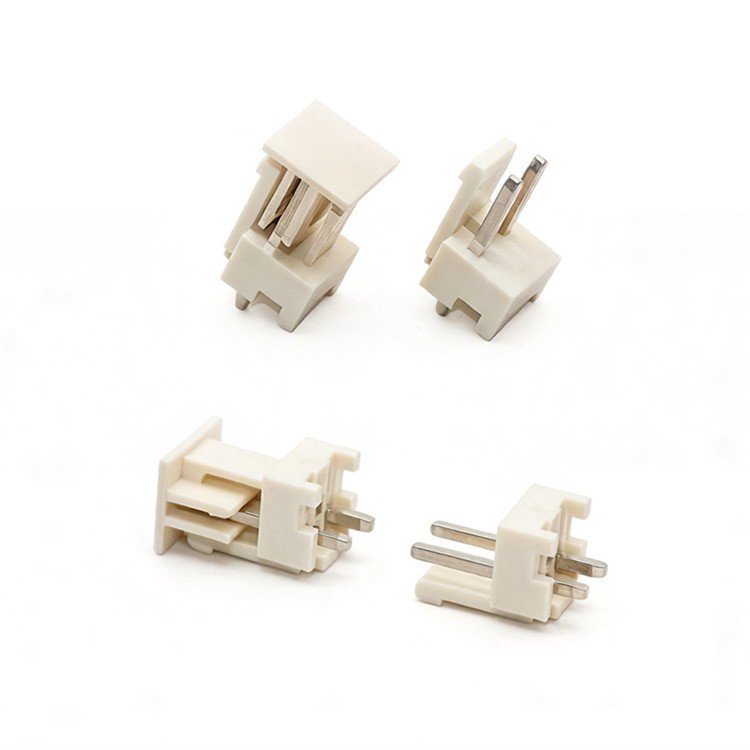
As a seasoned supplier of board-to-board connectors, I've witnessed firsthand the crucial role these components play in modern electronic devices. Board-to-board connectors are essential for establishing reliable electrical connections between printed circuit boards (PCBs), enabling seamless data transmission and power distribution. In this blog post, I'll delve into the common materials used in board-to-board connectors, exploring their properties, advantages, and applications.
1. Conductive Materials
Copper and Copper Alloys
Copper is the most widely used conductive material in board-to-board connectors due to its excellent electrical conductivity, thermal conductivity, and malleability. It offers low resistance, which minimizes power loss and heat generation during electrical transmission. Copper alloys, such as brass and bronze, are also commonly used. Brass, an alloy of copper and zinc, is known for its good corrosion resistance and mechanical strength. Bronze, which typically contains copper and tin, offers high wear resistance and durability.
These materials are often used for the contact pins and sockets in board-to-board connectors. The contact pins are designed to make direct electrical contact with the corresponding sockets on the mating PCB. The high conductivity of copper and its alloys ensures efficient signal transfer and power delivery. For example, in high-speed data transmission applications, copper-based connectors can maintain signal integrity even at high frequencies.
Gold
Gold is a precious metal that is highly valued for its exceptional electrical conductivity, corrosion resistance, and low contact resistance. It is often used as a plating material for the contact surfaces of board-to-board connectors. Gold plating provides a protective layer that prevents oxidation and corrosion, ensuring long-term reliability and stable electrical performance.
In applications where high reliability and low signal loss are critical, such as aerospace, military, and medical devices, gold-plated connectors are commonly used. The thin layer of gold on the contact surfaces reduces the risk of signal degradation due to oxidation or contamination. However, gold is relatively expensive, so it is typically used in small quantities or in high-end applications where cost is less of a concern.
2. Insulating Materials
Thermoplastics
Thermoplastics are a popular choice for the housing of board-to-board connectors due to their excellent moldability, electrical insulation properties, and mechanical strength. Common thermoplastics used in connector manufacturing include polycarbonate (PC), polyamide (PA), and polyphenylene sulfide (PPS).


Polycarbonate is known for its high impact resistance, transparency, and good electrical insulation. It is often used in applications where the connector needs to be visible or where it may be subjected to mechanical stress. Polyamide, also known as nylon, offers good chemical resistance, high strength, and low friction. It is commonly used in connectors that require a high degree of durability and reliability. Polyphenylene sulfide is a high-performance thermoplastic that has excellent heat resistance, chemical resistance, and dimensional stability. It is suitable for use in harsh environments where the connector may be exposed to high temperatures or chemicals.
Ceramics
Ceramics are another type of insulating material used in board-to-board connectors, especially in high-temperature and high-frequency applications. Ceramics have excellent electrical insulation properties, high thermal conductivity, and good mechanical strength. They are also resistant to corrosion and chemical attack.
In high-frequency applications, ceramics can help to reduce signal loss and improve signal integrity. They are often used in connectors for microwave and radio frequency (RF) devices. However, ceramics are relatively brittle and can be difficult to machine, so they are typically used in specialized applications where their unique properties are required.
3. Other Materials
Steel
Steel is sometimes used in the manufacturing of board-to-board connectors for its high strength and durability. It is often used for the housing or the locking mechanisms of the connectors. Steel can provide a robust and reliable structure that can withstand mechanical stress and ensure a secure connection between the PCBs.
Aluminum
Aluminum is a lightweight and corrosion-resistant metal that is sometimes used in the housing of board-to-board connectors. It offers good thermal conductivity, which can help to dissipate heat generated during operation. Aluminum is also relatively easy to machine and can be an economical choice for certain applications.
Applications of Different Materials
The choice of materials for board-to-board connectors depends on the specific requirements of the application. For example, in consumer electronics, where cost is a major factor, connectors made from copper alloys and thermoplastics are commonly used. These materials offer a good balance of performance and cost.
In high-performance applications, such as data centers and telecommunications equipment, connectors with gold-plated contacts and high-performance insulating materials are preferred. These connectors can provide reliable signal transmission and power delivery at high speeds and in harsh environments.
In automotive applications, board-to-board connectors need to be able to withstand high temperatures, vibrations, and moisture. Connectors made from materials with high heat resistance, such as PPS, and good mechanical strength, such as steel, are often used.
Our Product Offerings
As a leading supplier of board-to-board connectors, we offer a wide range of products to meet the diverse needs of our customers. Our product portfolio includes High Current Board To Board Connector, which are designed to handle high levels of current without overheating. These connectors are suitable for applications such as power supplies and industrial equipment.
We also offer High Density Board To Board Connectors, which are designed to provide a high number of connections in a small space. These connectors are ideal for applications where space is limited, such as smartphones and tablets.
In addition, our Connector Board To Board products are available in a variety of configurations and materials to meet different application requirements. Whether you need a connector for a high-speed data transmission application or a rugged automotive application, we have the right solution for you.
Contact Us for Procurement
If you are in the market for board-to-board connectors, we invite you to contact us to discuss your specific requirements. Our team of experts can provide you with detailed information about our products, help you select the right connector for your application, and offer competitive pricing and lead times. We are committed to providing our customers with high-quality products and excellent customer service. Let's work together to find the best board-to-board connector solution for your project.
References
- "Connectors for Electronic Applications," by John A. Adam.
- "Handbook of Electrical Contacts," by E. H. Rasmussen.
- "Materials Science and Engineering: An Introduction," by William D. Callister, Jr. and David G. Rethwisch.