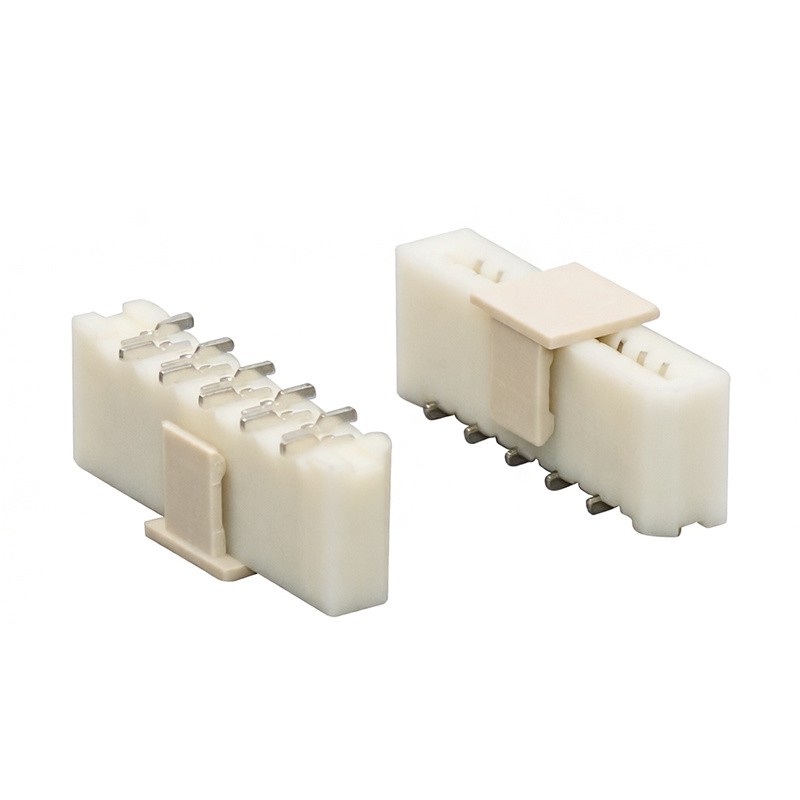
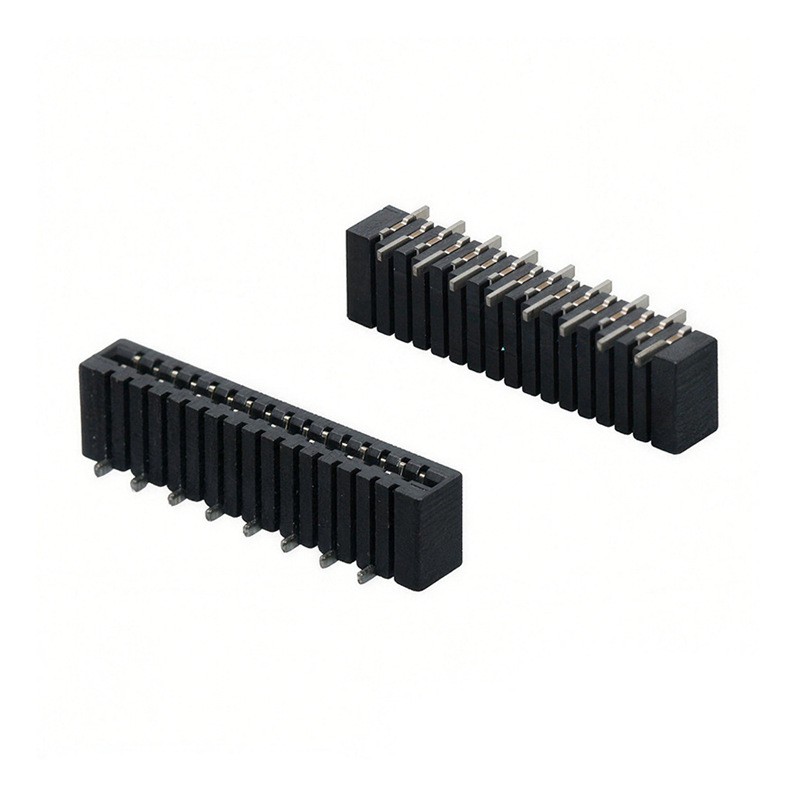
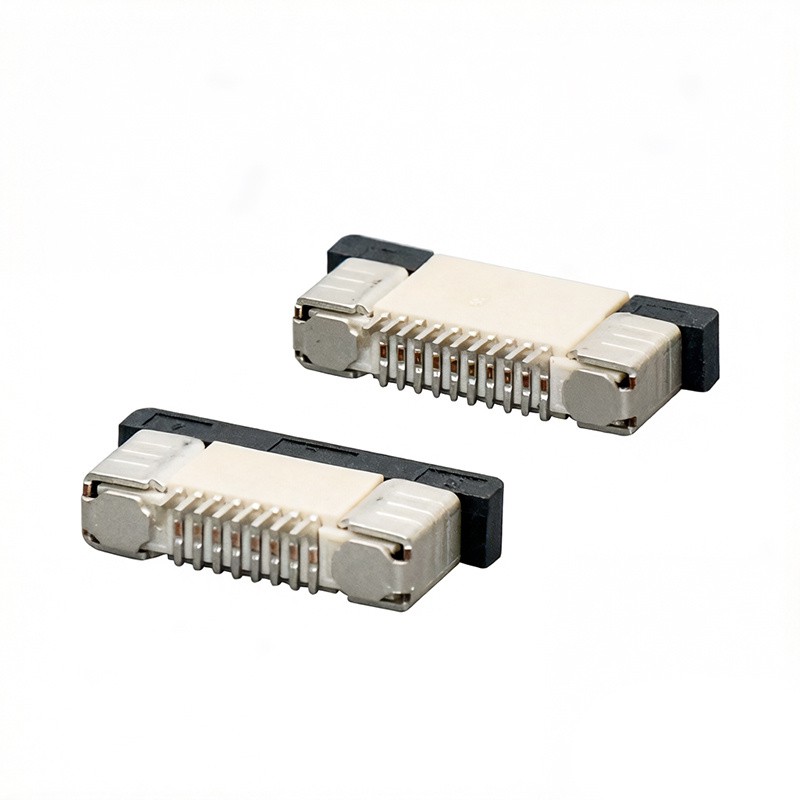
Contact resistance is a crucial factor that significantly impacts the performance of an FPC (Flexible Printed Circuit) Socket Connector. As a supplier of FPC Socket Connectors, I have witnessed firsthand how contact resistance can either enhance or hinder the functionality of these connectors in various applications. In this blog, we will delve into the details of how contact resistance affects the performance of an FPC Socket Connector, exploring its implications, causes, and solutions.
Understanding Contact Resistance in FPC Socket Connectors
Contact resistance refers to the resistance encountered at the interface between two conducting surfaces in an electrical connection. In the context of FPC Socket Connectors, it is the resistance between the contact pins of the connector and the FPC. This resistance can vary depending on several factors, including the material of the contacts, the surface finish, the contact force, and the presence of contaminants.
The contact resistance in an FPC Socket Connector can have a profound impact on the electrical performance of the overall system. High contact resistance can lead to increased power consumption, signal attenuation, and heat generation, all of which can degrade the performance of the device and potentially cause reliability issues. On the other hand, low contact resistance ensures efficient power transfer and signal transmission, resulting in improved performance and reliability.
Impact of Contact Resistance on Electrical Performance
Power Consumption
One of the most significant impacts of contact resistance is on power consumption. When current flows through a connection with high contact resistance, a portion of the electrical energy is dissipated as heat. This not only wastes energy but also increases the temperature of the connector, which can further degrade its performance and reliability. In applications where power efficiency is critical, such as battery-powered devices, high contact resistance can significantly reduce the battery life and limit the overall performance of the device.
Signal Attenuation
Contact resistance can also cause signal attenuation, which is the reduction in the strength of an electrical signal as it travels through a connection. High contact resistance can introduce impedance mismatches, which can reflect and scatter the signal, leading to a loss of signal strength and quality. This can be particularly problematic in high-speed data transmission applications, where even a small amount of signal attenuation can result in errors and data loss.
Heat Generation
As mentioned earlier, high contact resistance can cause heat generation in the connector. Excessive heat can damage the connector and the surrounding components, leading to premature failure. In addition, heat can also cause the contact materials to expand and contract, which can further increase the contact resistance and exacerbate the problem.
Causes of High Contact Resistance
Surface Contamination
One of the most common causes of high contact resistance is surface contamination. Dust, dirt, oil, and other contaminants can accumulate on the contact surfaces, creating a barrier that increases the resistance between the contacts. This can be particularly problematic in harsh environments where the connector is exposed to high levels of dust and moisture.


Oxidation
Another common cause of high contact resistance is oxidation. When the contact materials are exposed to air, they can react with oxygen to form an oxide layer on the surface. This oxide layer can increase the resistance between the contacts and reduce the electrical conductivity. Oxidation can be accelerated by high temperatures, humidity, and the presence of certain chemicals.
Mechanical Wear
Mechanical wear can also cause high contact resistance. Over time, the repeated insertion and removal of the FPC can cause the contact pins to wear down, reducing the contact force and increasing the contact resistance. In addition, mechanical stress can also cause the contacts to deform, which can further increase the resistance.
Solutions to Reduce Contact Resistance
Surface Treatment
One of the most effective ways to reduce contact resistance is to use a surface treatment on the contact pins. This can include plating the contacts with a thin layer of gold, silver, or other noble metals, which can improve the electrical conductivity and reduce the risk of oxidation. In addition, surface treatments can also help to reduce the friction between the contacts, which can improve the insertion and removal force of the connector.
Contact Force Optimization
Another important factor in reducing contact resistance is to optimize the contact force. The contact force should be sufficient to ensure a good electrical connection between the contacts, but not so high that it causes damage to the FPC or the connector. By adjusting the contact force, it is possible to reduce the contact resistance and improve the performance of the connector.
Contamination Prevention
To prevent surface contamination, it is important to keep the connector clean and dry. This can be achieved by using a protective cover or seal on the connector, and by avoiding exposure to harsh environments. In addition, regular cleaning and maintenance of the connector can help to remove any contaminants that may have accumulated on the contact surfaces.
Conclusion
Contact resistance is a critical factor that can significantly impact the performance of an FPC Socket Connector. High contact resistance can lead to increased power consumption, signal attenuation, and heat generation, all of which can degrade the performance of the device and potentially cause reliability issues. By understanding the causes of high contact resistance and implementing appropriate solutions, it is possible to reduce the contact resistance and improve the performance and reliability of the connector.
As a supplier of FPC Socket Connector, we are committed to providing high-quality connectors with low contact resistance. Our connectors are designed and manufactured using the latest technologies and materials to ensure optimal performance and reliability. If you are interested in learning more about our FPC Socket Connectors or would like to discuss your specific requirements, please do not hesitate to contact us. We look forward to working with you to meet your needs.
References
- "Fundamentals of Electrical Contacts" by Ronald L. Delevan
- "Handbook of Electrical Contacts" by E. H. R. ter Maten
- "Contact Resistance in Electrical Connectors" by John C. Martin