As a supplier of automotive TPA and ISL connectors, I often get asked whether these connectors can be used in marine vehicles. This is a valid question, as the marine environment presents unique challenges that are quite different from the automotive setting. In this blog, I'll explore the feasibility of using automotive TPA and ISL connectors in marine vehicles, considering various factors such as environmental conditions, electrical requirements, and mechanical durability.
Understanding Automotive TPA and ISL Connectors
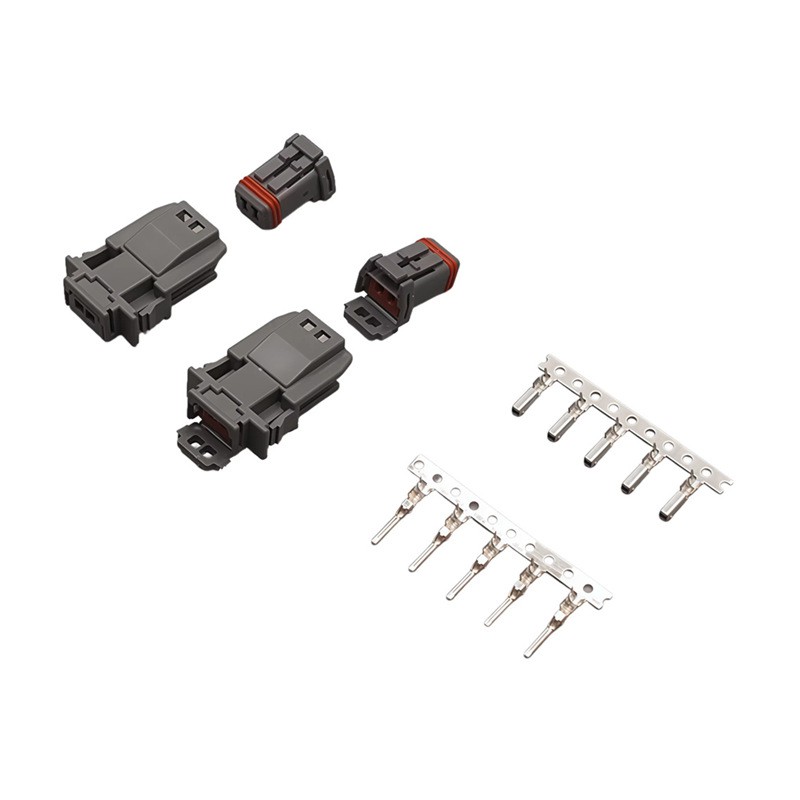
Automotive TPA (Terminal Position Assurance) and ISL (Integrated Secondary Lock) connectors are designed to ensure the proper seating and retention of terminals within a connector housing. These connectors are widely used in the automotive industry due to their reliability, ease of use, and ability to prevent terminal back - out, which can lead to electrical failures.
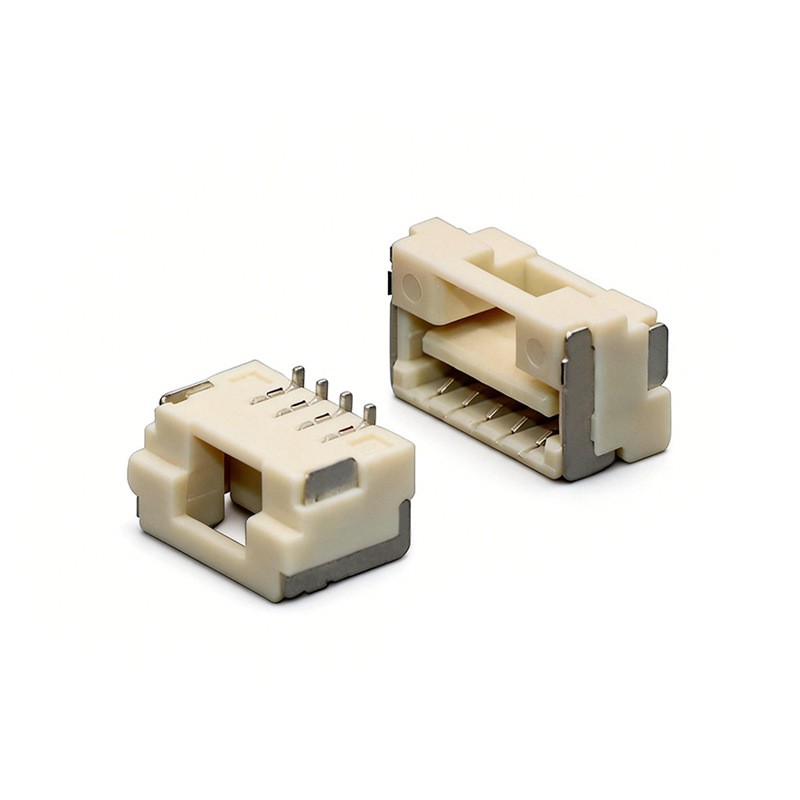
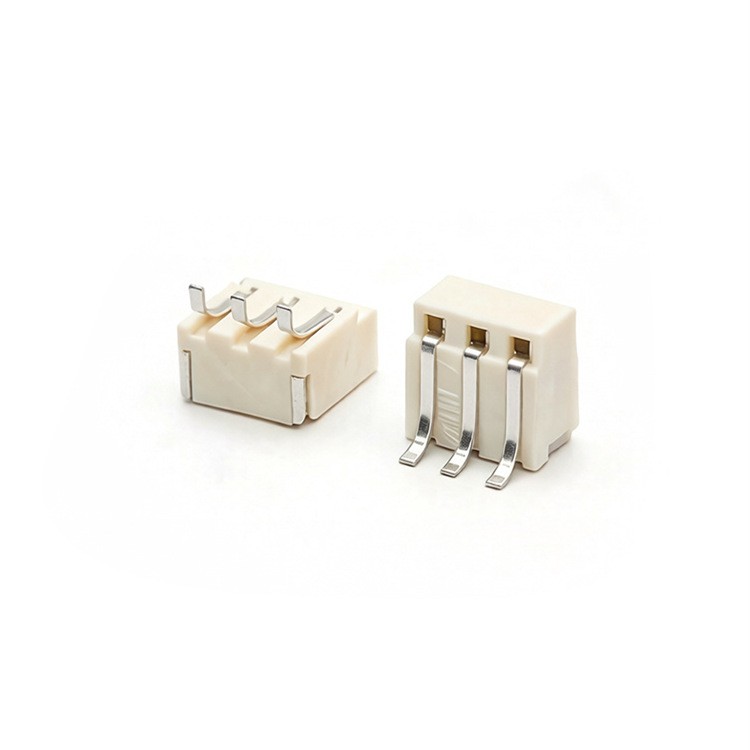
We offer a range of automotive TPA and ISL connectors with different pitch sizes, such as 2.20mm Pitch Automotive TPA Or ISL Connector, 2.00mm Pitch Automotive TPA Or SL Connector, and 2.54mm Pitch Automotive TPA Or ISL Connector. These connectors are engineered to meet the high - standards of the automotive industry, providing stable electrical connections in a variety of automotive applications.
Challenges in the Marine Environment
The marine environment is harsh and demanding. Marine vehicles are constantly exposed to saltwater, high humidity, extreme temperatures, and vibrations. Saltwater is highly corrosive, and it can quickly damage the metal components of connectors, leading to increased resistance and potential electrical failures. High humidity can cause condensation inside the connectors, which can also affect their performance.
Extreme temperatures, both hot and cold, can cause the materials of the connectors to expand and contract, potentially leading to loosening of the connections. Vibrations from the engine and the movement of the vehicle on the water can also cause terminals to come loose if the connectors are not properly designed to withstand these forces.
Compatibility of Automotive TPA and ISL Connectors in Marine Vehicles
1. Corrosion Resistance
Automotive TPA and ISL connectors are typically made of materials that are suitable for the automotive environment, but they may not have the same level of corrosion resistance required for the marine environment. In the automotive industry, connectors are usually protected from direct exposure to harsh elements. However, in the marine environment, connectors need to be able to withstand the corrosive effects of saltwater.
Some automotive connectors may have a coating or plating to protect against corrosion, but it may not be sufficient for long - term use in a marine setting. To use automotive TPA and ISL connectors in marine vehicles, additional corrosion - protection measures may be required, such as applying a protective coating or using connectors made of more corrosion - resistant materials.
2. Sealing and Waterproofing
In the automotive industry, connectors are designed to be sealed to prevent the ingress of dust and water to a certain extent. However, in the marine environment, a higher level of waterproofing is required. Marine vehicles are often exposed to splashing water, waves, and even submersion in some cases.
Automotive TPA and ISL connectors may not have the same level of sealing as connectors specifically designed for marine applications. To ensure reliable performance in the marine environment, additional sealing solutions may need to be implemented, such as using gaskets or potting compounds to prevent water from entering the connectors.
3. Temperature and Vibration Resistance
Automotive connectors are designed to operate within a certain temperature range and withstand the vibrations associated with automotive use. However, the marine environment can have more extreme temperature variations and higher levels of vibration.
In the marine environment, the temperature can vary from very cold in the early morning to very hot during the day. The vibrations from the engine and the movement of the vehicle on the water can be more intense than in automotive applications. Automotive TPA and ISL connectors may need to be modified or replaced with connectors that are specifically designed to handle these more extreme conditions.
Potential Solutions
1. Material Selection
To improve the corrosion resistance of automotive TPA and ISL connectors for marine use, we can select materials that are more resistant to saltwater corrosion. For example, using stainless steel or other corrosion - resistant alloys for the terminals and connector housings can significantly increase their durability in the marine environment.
2. Enhanced Sealing
We can develop or modify automotive TPA and ISL connectors to have better sealing properties. This can be achieved by using high - quality gaskets and seals that are designed to withstand the marine environment. Additionally, potting the connectors with a waterproof compound can provide an extra layer of protection against water ingress.


3. Testing and Certification
Before using automotive TPA and ISL connectors in marine vehicles, it is essential to conduct rigorous testing to ensure their performance in the marine environment. This can include salt - spray tests, immersion tests, and vibration tests. Obtaining relevant certifications, such as marine - specific standards, can also provide assurance of the connectors' suitability for marine use.
Conclusion
While automotive TPA and ISL connectors are designed for the automotive industry, with some modifications and additional protection measures, they can potentially be used in marine vehicles. However, it is crucial to carefully consider the unique challenges of the marine environment and take appropriate steps to ensure the connectors' reliability and performance.
If you are interested in using our automotive TPA and ISL connectors for your marine vehicle applications, we would be more than happy to discuss your specific requirements. Our team of experts can provide customized solutions to meet the demands of the marine environment. Contact us today to start a conversation about your connector needs and explore how our products can be adapted for your marine projects.
References
- "Automotive Electrical Connector Design and Applications" by Various Authors
- "Marine Electrical Systems: Design, Installation, and Troubleshooting" by John C. Payne
- Industry standards and guidelines for automotive and marine connectors