In the dynamic landscape of electronic components, the FPC (Flexible Printed Circuit) Display Connector has emerged as a crucial element, enabling seamless connections in various electronic devices. As a leading supplier of FPC Display Connectors, I often encounter a common question from our customers: "Can I use an FPC Display Connector for power delivery?" This blog post aims to delve into this query, exploring the capabilities, limitations, and considerations of using FPC Display Connectors for power delivery.
Understanding FPC Display Connectors
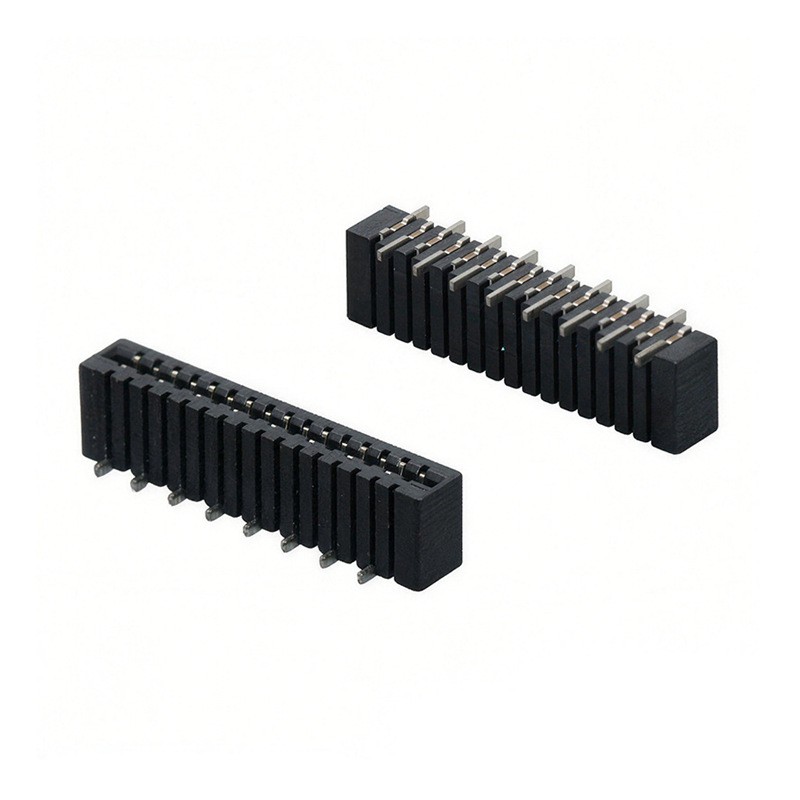
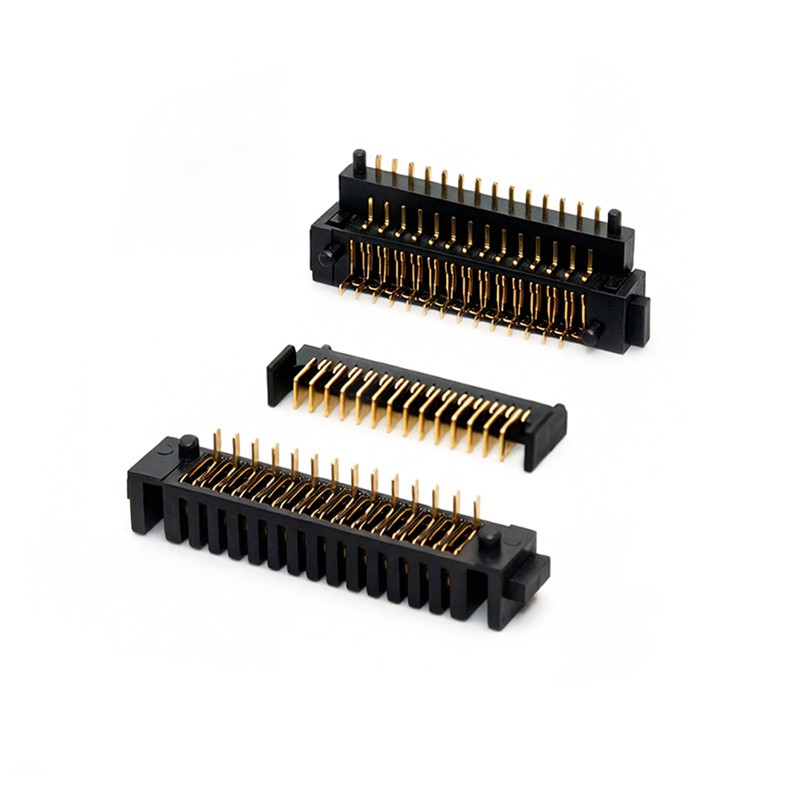
Before we dive into the topic of power delivery, let's first understand what FPC Display Connectors are. These connectors are designed to provide a reliable and flexible connection between a flexible printed circuit (FPC) and a display module. They are commonly used in a wide range of applications, including smartphones, tablets, laptops, and automotive displays.
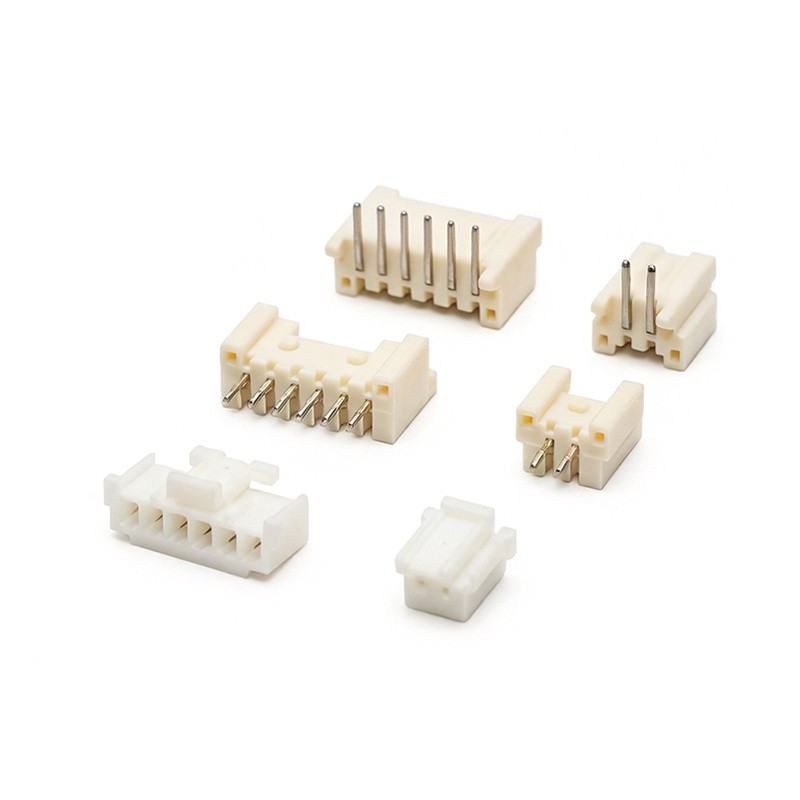
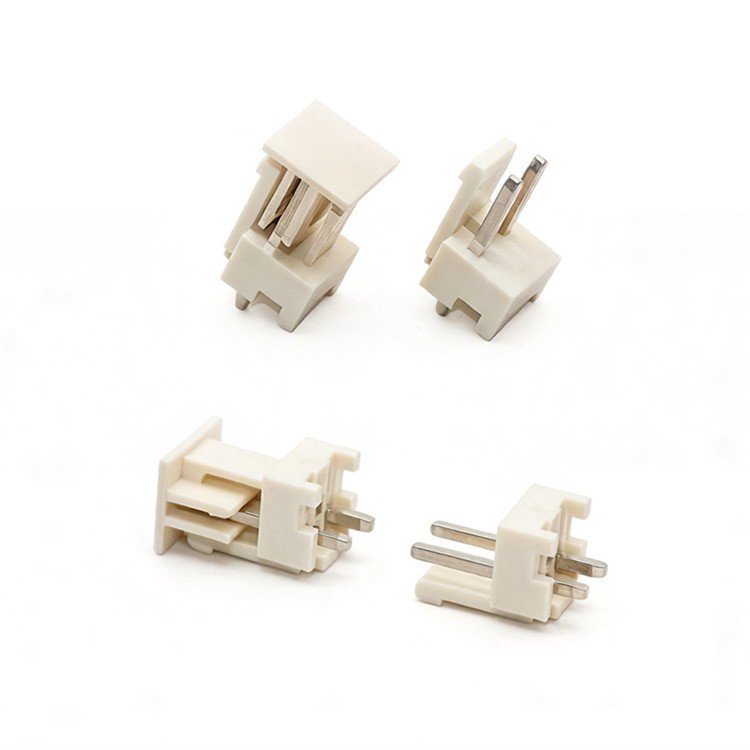
FPC Display Connectors come in various types and configurations, each with its own set of features and specifications. Some of the key factors to consider when choosing an FPC Display Connector include the pitch (the distance between adjacent contacts), the number of contacts, the mating force, and the retention force. These factors can significantly impact the performance and reliability of the connection.
Can FPC Display Connectors Be Used for Power Delivery?
The short answer is yes, FPC Display Connectors can be used for power delivery. However, there are several factors to consider before using them for this purpose.
Current Rating
One of the primary considerations when using FPC Display Connectors for power delivery is the current rating. The current rating of a connector refers to the maximum amount of current that it can safely carry without overheating or causing damage. It is important to ensure that the FPC Display Connector you choose has a sufficient current rating for your application.
The current rating of an FPC Display Connector depends on several factors, including the size and material of the contacts, the pitch, and the number of contacts. Generally, connectors with larger contacts and a lower pitch can handle higher currents. It is also important to consider the temperature rise of the connector under normal operating conditions. Excessive temperature rise can lead to reduced performance and reliability.
Voltage Rating
In addition to the current rating, the voltage rating of the FPC Display Connector is also an important consideration. The voltage rating refers to the maximum voltage that the connector can safely withstand without breaking down or causing arcing. It is important to ensure that the voltage rating of the connector is compatible with the voltage requirements of your application.
Power Loss
Another factor to consider when using FPC Display Connectors for power delivery is the power loss. Power loss occurs when the electrical energy is converted into heat due to the resistance of the contacts. The power loss can be calculated using the formula P = I^2 * R, where P is the power loss, I is the current, and R is the resistance of the contacts.
To minimize power loss, it is important to choose a connector with low contact resistance. The contact resistance can be affected by several factors, including the material of the contacts, the surface finish, and the mating force. Connectors with a gold or silver plating on the contacts generally have lower contact resistance than those with a tin plating.
Mechanical Considerations
In addition to the electrical considerations, there are also several mechanical considerations when using FPC Display Connectors for power delivery. The connector must be able to withstand the mechanical stresses and vibrations that are typically encountered in electronic devices. It is important to choose a connector with a high retention force to ensure that it remains securely connected under normal operating conditions.
Applications of FPC Display Connectors for Power Delivery
Despite the limitations and considerations, FPC Display Connectors can be used for power delivery in a variety of applications. Some of the common applications include:
Mobile Devices
In mobile devices such as smartphones and tablets, FPC Display Connectors are often used to provide power to the display module. These connectors are designed to be compact and lightweight, making them ideal for use in portable devices.
Automotive Displays
In automotive displays, FPC Display Connectors are used to provide power and data transfer between the display module and the vehicle's electrical system. These connectors must be able to withstand the harsh environmental conditions and vibrations that are typically encountered in automotive applications.
Industrial Applications
In industrial applications, FPC Display Connectors are used to provide power and data transfer between the display module and the control system. These connectors must be able to withstand the high temperatures, humidity, and mechanical stresses that are typically encountered in industrial environments.
Conclusion
In conclusion, FPC Display Connectors can be used for power delivery, but it is important to consider the current rating, voltage rating, power loss, and mechanical considerations before using them for this purpose. By choosing the right connector for your application and ensuring that it is properly installed and maintained, you can achieve a reliable and efficient power delivery solution.
As a leading supplier of FPC Display Connectors, we offer a wide range of high-quality connectors that are suitable for power delivery applications. Our connectors are designed to meet the strictest industry standards and are backed by our commitment to quality and customer service. If you are interested in learning more about our FPC Display Connectors or have any questions about using them for power delivery, please [contact us] for a consultation. We look forward to working with you to find the right solution for your needs.


References
- "Flexible Printed Circuit (FPC) Connectors: A Comprehensive Guide." Electronics Notes.
- "Power Delivery in Electronic Devices: Principles and Applications." IEEE Transactions on Power Electronics.
- "Mechanical and Electrical Considerations for FPC Connectors." Connector Supplier Magazine.