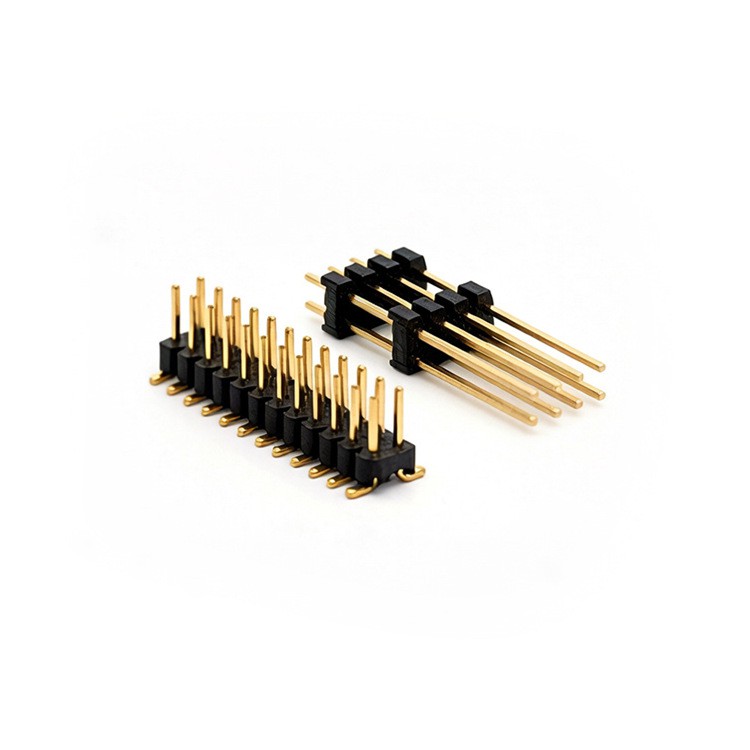
As a supplier of FPC Socket Connectors, I understand the critical role that electromagnetic compatibility (EMC) plays in the performance of these connectors. In today's electronic devices, where high - speed data transmission and miniaturization are the norm, ensuring good EMC performance is essential to prevent interference and ensure reliable operation. In this blog, I will share some effective ways to improve the EMC performance of an FPC Socket Connector.
1. Understanding the Basics of EMC in FPC Socket Connectors
Before delving into the improvement methods, it's important to understand what EMC means in the context of FPC Socket Connectors. EMC refers to the ability of an electronic device or system to function properly in its electromagnetic environment without causing interference to other devices. In an FPC Socket Connector, electromagnetic interference (EMI) can occur due to various factors such as high - speed signal transmission, improper grounding, and the presence of parasitic capacitances and inductances.
2. Design Considerations for EMC Improvement
2.1 Layout Design
The layout of the FPC Socket Connector is crucial for EMC performance. A well - designed layout can minimize the coupling of electromagnetic fields between different signal lines. For example, separating power lines from signal lines can reduce the risk of power - related noise being coupled into the signal lines. Additionally, keeping the distance between high - speed signal lines and other components to a minimum can help reduce electromagnetic radiation.
When designing the FPC, it is advisable to use a multi - layer structure. A ground plane can be added to the FPC to provide a low - impedance path for the return current. This helps to reduce the loop area of the signal current, which in turn reduces the electromagnetic radiation. For the FPC Socket Connector, the pins should be arranged in a way that minimizes the cross - talk between adjacent pins. This can be achieved by using a staggered pin arrangement or by adding shielding between the pins.
2.2 Material Selection
The materials used in the FPC Socket Connector can also have a significant impact on its EMC performance. For the housing of the connector, materials with high electromagnetic shielding properties should be selected. For example, metal - based housings can provide better shielding compared to plastic housings. However, it is important to ensure that the metal housing is properly grounded to avoid creating a resonant cavity that can enhance electromagnetic radiation.
The contact materials of the connector also play a role in EMC. High - conductivity materials can reduce the resistance of the electrical connection, which helps to minimize the voltage drop and electromagnetic radiation. Additionally, materials with good anti - oxidation properties can ensure the long - term stability of the electrical connection, which is important for maintaining good EMC performance.
3. Shielding Techniques
3.1 External Shielding
External shielding is an effective way to reduce the electromagnetic radiation from the FPC Socket Connector. A metal shield can be added around the connector to block the electromagnetic fields from escaping. The shield should be properly grounded to ensure its effectiveness. For example, a metal enclosure can be used to surround the FPC Socket Connector, and the enclosure can be connected to the system ground.
3.2 Internal Shielding
Internal shielding can also be used to reduce the cross - talk between different signal lines within the connector. For example, a metal foil can be placed between adjacent signal lines to act as a shield. This helps to reduce the electromagnetic coupling between the lines and improve the signal integrity.
4. Grounding Strategies
4.1 Proper Grounding of the Connector
Proper grounding of the FPC Socket Connector is essential for EMC performance. The connector should be connected to the system ground through a low - impedance path. This can be achieved by using a dedicated ground pin or by connecting the metal housing of the connector to the ground. A good grounding connection helps to reduce the common - mode noise and electromagnetic radiation.
4.2 Grounding of the FPC
The FPC itself should also be properly grounded. The ground plane on the FPC should be connected to the system ground at multiple points to ensure a low - impedance return path for the current. This helps to reduce the loop area of the current and minimize the electromagnetic radiation.
5. Testing and Validation
5.1 EMC Testing
Once the FPC Socket Connector is designed and manufactured, it is important to conduct EMC testing to ensure its performance. EMC testing can be carried out in an anechoic chamber, where the electromagnetic radiation and susceptibility of the connector can be measured. The testing should cover a wide range of frequencies to ensure that the connector meets the relevant EMC standards.


5.2 Iterative Improvement
Based on the results of the EMC testing, iterative improvements can be made to the design of the FPC Socket Connector. For example, if the testing reveals high electromagnetic radiation at a certain frequency, the layout or shielding of the connector can be modified to reduce the radiation.
6. Application - Specific Considerations
6.1 High - Speed Applications
In high - speed applications, such as those involving data rates of several gigabits per second, the EMC performance of the FPC Socket Connector becomes even more critical. Special attention should be paid to the impedance matching of the signal lines to minimize signal reflections. Additionally, the use of differential signaling can help to reduce the common - mode noise and improve the EMC performance.
6.2 Harsh Environments
In harsh environments, such as those with high levels of electromagnetic interference or extreme temperatures, the FPC Socket Connector needs to be designed to be more robust. For example, additional shielding and sealing can be added to protect the connector from external interference and environmental factors.
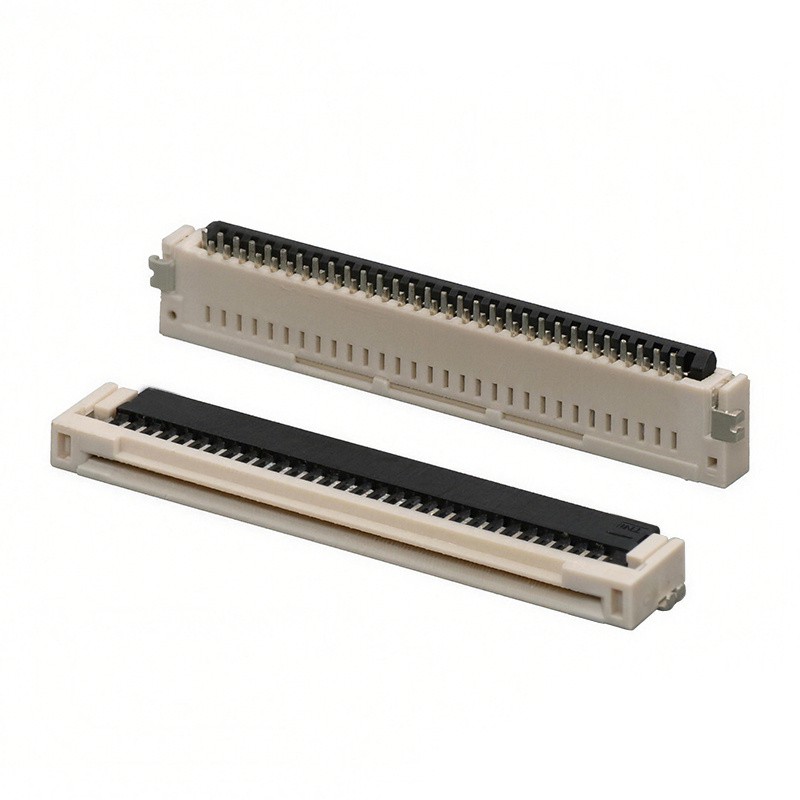
As a supplier of FPC Socket Connector, we also offer other types of FPC connectors, such as FPC Display Connector and FPC To Wire Connector. Our products are designed with EMC performance in mind, and we are committed to providing high - quality connectors that meet the needs of our customers.
If you are interested in our FPC Socket Connectors or have any questions about improving the EMC performance of your connectors, please feel free to contact us for procurement and further discussion. We look forward to working with you to achieve the best EMC performance in your electronic devices.
References
- "Electromagnetic Compatibility Engineering" by Henry W. Ott.
- "High - Speed Digital Design: A Handbook of Black Magic" by Howard Johnson and Martin Graham.
- Industry standards related to EMC for electronic connectors.