What is the mating force of a right angle header connector?
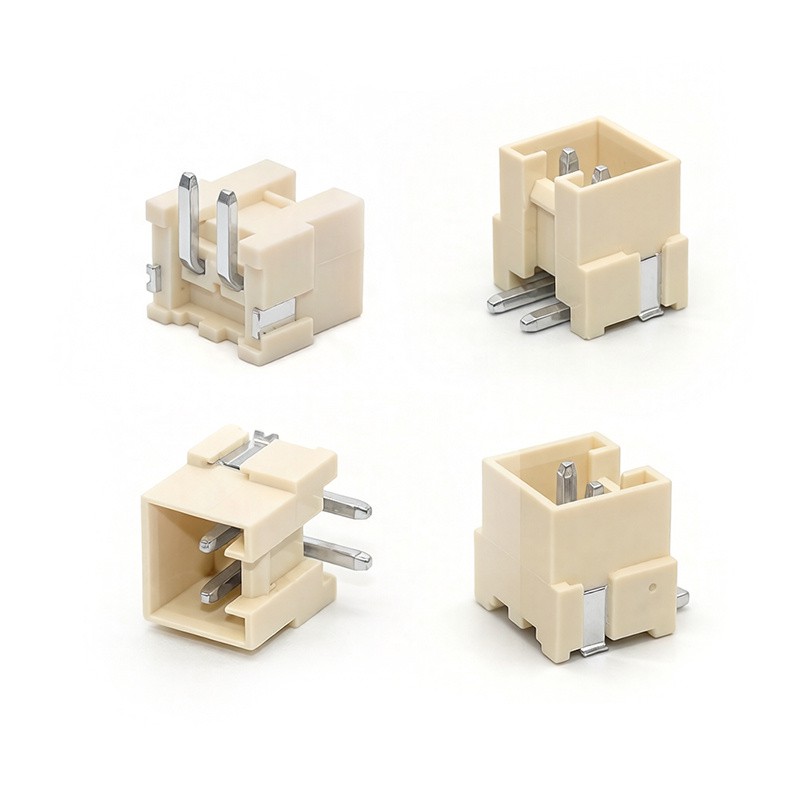
As a supplier of Right Angle Header Connectors, I often encounter questions from customers regarding the mating force of these connectors. Understanding the mating force is crucial for ensuring the proper functioning and reliability of electronic devices. In this blog post, I will delve into the concept of mating force, its significance, and the factors that influence it in the context of right angle header connectors.
Understanding Mating Force
Mating force refers to the amount of force required to connect or disconnect two electrical connectors. In the case of right angle header connectors, it is the force needed to insert the male pins of one connector into the female sockets of another. This force is typically measured in newtons (N) or pounds-force (lbf).
The mating force is an important parameter because it directly affects the ease of use, durability, and electrical performance of the connector. If the mating force is too high, it can make it difficult to insert or remove the connectors, leading to potential damage to the pins or sockets. On the other hand, if the mating force is too low, the connectors may not make a secure electrical connection, resulting in intermittent signals or even complete failure.
Significance of Mating Force
The mating force of a right angle header connector plays a crucial role in several aspects of its performance:
- Ease of Use: A reasonable mating force ensures that the connectors can be easily inserted and removed without excessive effort. This is particularly important in applications where frequent mating and unmating are required, such as in test and measurement equipment or consumer electronics.
- Mechanical Durability: The mating force affects the mechanical durability of the connector. A higher mating force can cause wear and tear on the pins and sockets over time, leading to a decrease in the connector's lifespan. On the other hand, a lower mating force may result in a loose connection, which can also lead to mechanical failure.
- Electrical Performance: The mating force is directly related to the electrical performance of the connector. A proper mating force ensures a good electrical contact between the pins and sockets, which is essential for the reliable transmission of signals. A loose connection can result in increased resistance, signal loss, and electromagnetic interference (EMI).
Factors Affecting Mating Force
Several factors can influence the mating force of a right angle header connector:
- Pin and Socket Design: The design of the pins and sockets plays a significant role in determining the mating force. The shape, size, and surface finish of the pins and sockets can affect the friction between them, which in turn affects the mating force. For example, a pin with a smooth surface finish will have a lower mating force than a pin with a rough surface finish.
- Material Properties: The material properties of the pins and sockets also affect the mating force. The hardness, elasticity, and coefficient of friction of the materials can all influence the amount of force required to insert or remove the connectors. For example, a pin made of a harder material will have a higher mating force than a pin made of a softer material.
- Plating and Coating: The plating and coating on the pins and sockets can also affect the mating force. A plating or coating with a low coefficient of friction can reduce the mating force, while a plating or coating with a high coefficient of friction can increase the mating force. For example, a gold-plated pin will have a lower mating force than a tin-plated pin.
- Insertion and Removal Speed: The speed at which the connectors are inserted or removed can also affect the mating force. A faster insertion or removal speed can result in a higher mating force, while a slower insertion or removal speed can result in a lower mating force. This is because the friction between the pins and sockets increases with the speed of movement.
Measuring Mating Force
The mating force of a right angle header connector can be measured using a force gauge. A force gauge is a device that measures the amount of force applied to an object. To measure the mating force of a connector, the force gauge is attached to the connector, and the connector is inserted or removed from the mating connector while the force gauge records the force.
The mating force is typically measured in newtons (N) or pounds-force (lbf). The measurement should be taken at a slow and steady speed to ensure accurate results. The mating force should be measured at multiple points along the length of the connector to ensure that the force is consistent.
Controlling Mating Force
As a supplier of Right Angle Header Connectors, we understand the importance of controlling the mating force to ensure the proper functioning and reliability of our products. We use several techniques to control the mating force, including:
- Pin and Socket Design Optimization: We optimize the design of the pins and sockets to reduce the friction between them, which in turn reduces the mating force. We use computer-aided design (CAD) software to simulate the mating process and optimize the shape and size of the pins and sockets.
- Material Selection: We carefully select the materials for the pins and sockets to ensure that they have the appropriate hardness, elasticity, and coefficient of friction. We use high-quality materials that are resistant to wear and corrosion, which helps to ensure the long-term reliability of our connectors.
- Plating and Coating: We use plating and coating techniques to reduce the friction between the pins and sockets. We use gold plating, which has a low coefficient of friction, to reduce the mating force. We also use other coatings, such as nickel and tin, to protect the pins and sockets from corrosion.
- Quality Control: We have a rigorous quality control process in place to ensure that the mating force of our connectors is within the specified range. We use force gauges to measure the mating force of every connector before it is shipped to the customer.
Conclusion
In conclusion, the mating force of a right angle header connector is an important parameter that affects the ease of use, durability, and electrical performance of the connector. Understanding the concept of mating force, its significance, and the factors that influence it is crucial for ensuring the proper functioning and reliability of electronic devices.
As a supplier of Right Angle Header Connectors, we are committed to providing our customers with high-quality connectors that have a reasonable mating force. We use advanced design and manufacturing techniques to control the mating force and ensure the long-term reliability of our products.
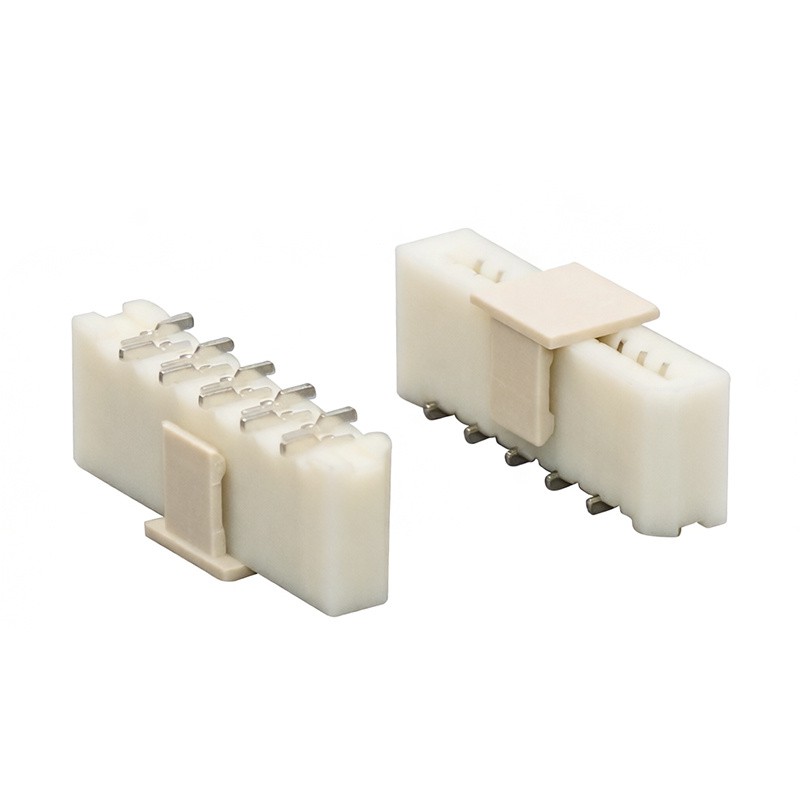
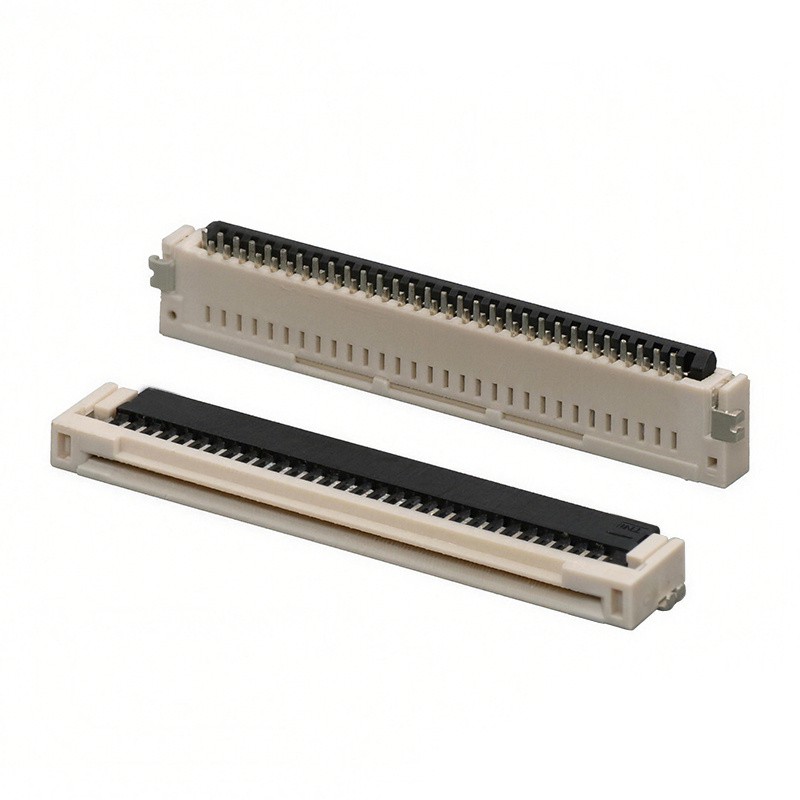
If you are in the market for Right Angle Header Connectors, Shrouded Header Connectors, or Jumper Header Connectors, please feel free to contact us to discuss your requirements. We would be happy to provide you with more information and assist you in selecting the right connectors for your application.


References
- "Connector Handbook," edited by IPC, 2008.
- "Electrical Connector Handbook," edited by A. K. Verma, 2010.
- "Mating Force and Contact Resistance in Electrical Connectors," by R. J. Rose, 1995.