Hey there! As a supplier of Jumper Header Connectors, I often get asked about the contact force of these little but crucial components. So, let's dive right into what the contact force of a Jumper Header Connector is all about.
Understanding Contact Force
First off, what exactly is contact force? In the context of a Jumper Header Connector, contact force is the force that's applied between the contact pins of the connector and the mating component, like a PCB or another connector. It's super important because it directly affects the electrical performance and reliability of the connection.
Think of it like a handshake. When you shake someone's hand, if you grip too lightly, the connection might be weak and easily break. On the other hand, if you grip too hard, it could be uncomfortable or even cause damage. The same goes for Jumper Header Connectors. The right contact force ensures a stable and reliable electrical connection, while the wrong one can lead to issues like poor conductivity, intermittent signals, or even mechanical damage.
Why Contact Force Matters
The contact force of a Jumper Header Connector has a big impact on several aspects of its performance.
Electrical Conductivity
A proper contact force helps to ensure good electrical conductivity. When the contact force is sufficient, it reduces the resistance between the contact pins and the mating component. This means that electrical signals can flow smoothly without any significant loss or interference. On the flip side, if the contact force is too low, the resistance can increase, leading to voltage drops and signal degradation.
Mechanical Stability
Contact force also plays a crucial role in the mechanical stability of the connection. A strong contact force helps to keep the connector securely in place, preventing it from coming loose due to vibrations, shocks, or other external forces. This is especially important in applications where the connector is subject to movement or rough handling, such as in automotive or industrial environments.
Durability
Over time, the contact force can affect the durability of the connector. If the contact force is too high, it can cause excessive wear and tear on the contact pins, leading to premature failure. On the other hand, if the contact force is too low, the pins may not make proper contact, which can also lead to degradation over time.
Factors Affecting Contact Force
There are several factors that can affect the contact force of a Jumper Header Connector.
Material Properties
The materials used in the connector, such as the metal alloy of the contact pins and the plating, can have a significant impact on the contact force. Different materials have different mechanical properties, such as hardness and elasticity, which can affect how the pins deform and make contact with the mating component.
Design and Geometry
The design and geometry of the connector also play a role in determining the contact force. For example, the shape and size of the contact pins, as well as the spacing between them, can affect how they interact with the mating component. A well-designed connector will have a contact force that is evenly distributed across all the pins, ensuring a reliable connection.
Manufacturing Tolerances
During the manufacturing process, there can be variations in the dimensions and properties of the connector. These manufacturing tolerances can affect the contact force, as even small differences in the size or shape of the contact pins can have a significant impact on how they make contact with the mating component.
Measuring Contact Force
Measuring the contact force of a Jumper Header Connector is an important part of the quality control process. There are several methods that can be used to measure contact force, including:
Force Gauges
Force gauges are a common tool used to measure the contact force of a connector. They work by applying a known force to the connector and measuring the amount of force required to separate the contact pins from the mating component.
Load Cells
Load cells are another type of device that can be used to measure contact force. They work by converting the force applied to the connector into an electrical signal, which can then be measured and analyzed.
Electrical Resistance Measurement
In some cases, the contact force can be inferred by measuring the electrical resistance of the connection. A lower resistance indicates a better contact force, as it means that there is less resistance to the flow of electrical current.
Our Jumper Header Connectors
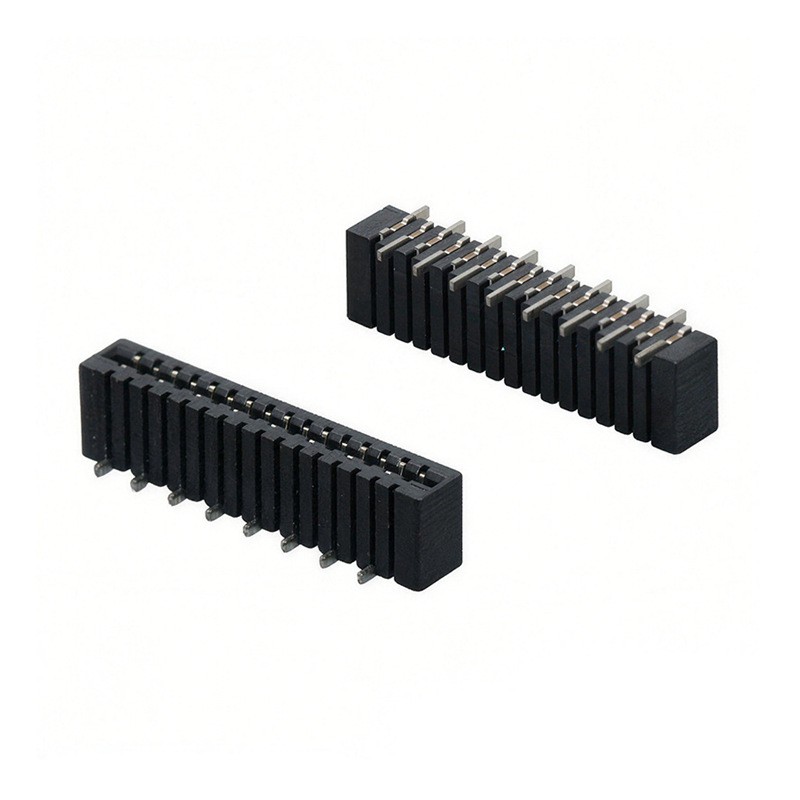
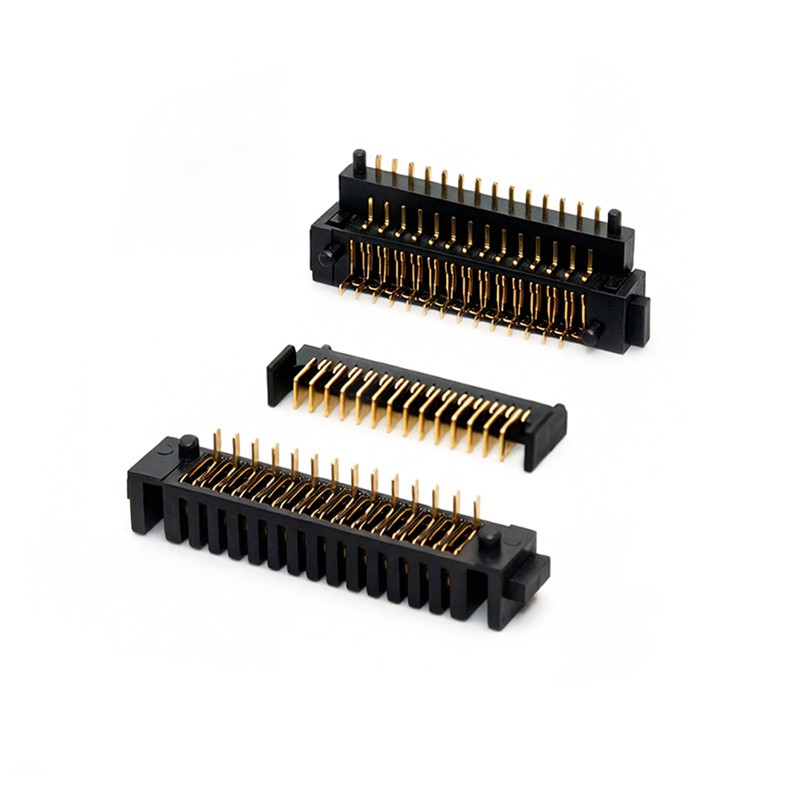
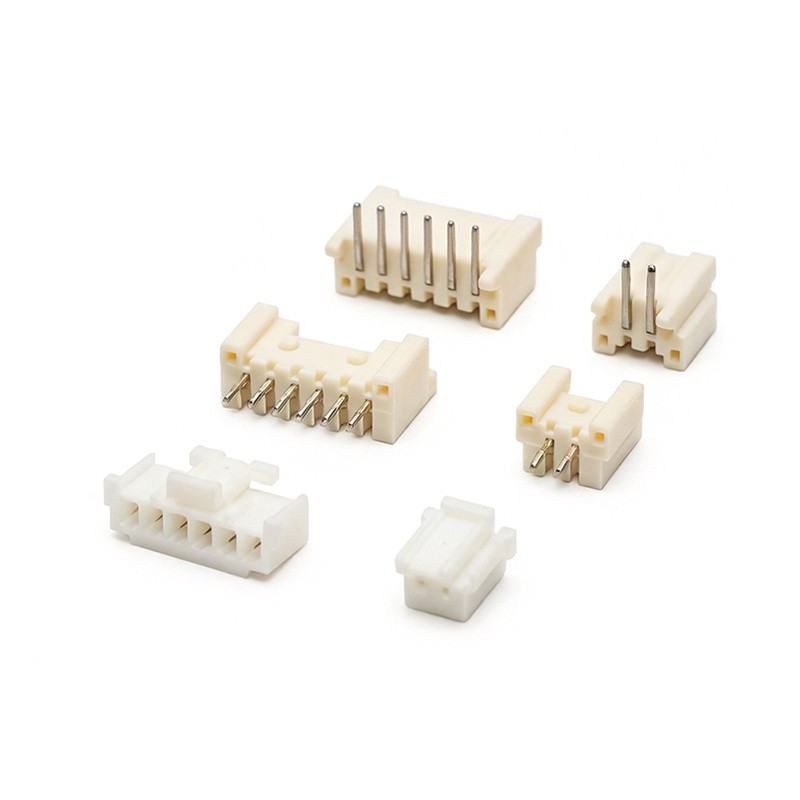
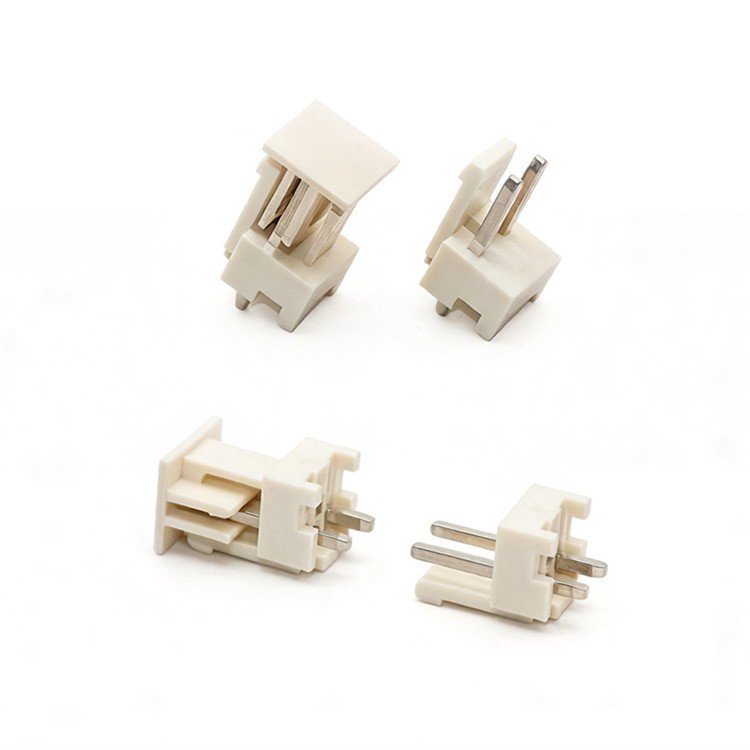
As a supplier of Jumper Header Connectors, we understand the importance of contact force and take great care to ensure that our connectors meet the highest standards of quality and performance. We offer a wide range of Jumper Header Connectors, including Low Profile Header Connector, 2mm Header Connector, and Shrouded Header Connector.
Our connectors are designed and manufactured using the latest technology and materials to ensure a reliable and stable connection. We also conduct rigorous testing and quality control measures to ensure that our connectors meet or exceed industry standards.


Conclusion
In conclusion, the contact force of a Jumper Header Connector is a critical factor that affects its electrical performance, mechanical stability, and durability. Understanding the importance of contact force and how it is affected by various factors can help you choose the right connector for your application.
If you're in the market for Jumper Header Connectors, we'd love to hear from you. Our team of experts is ready to help you find the right connector for your needs and answer any questions you may have. Contact us today to start a conversation about your requirements.
References
- "Connector Handbook" by IPC
- "Electrical Connector Handbook" by William J. Beasly