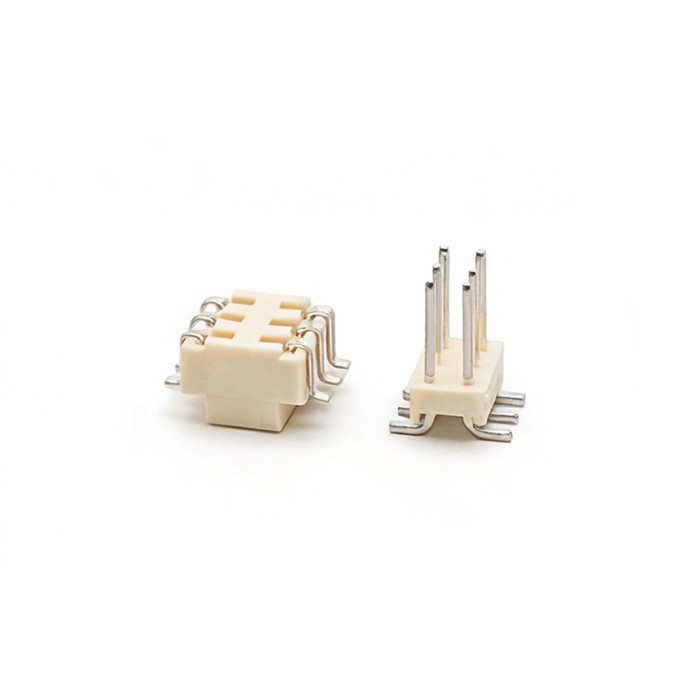
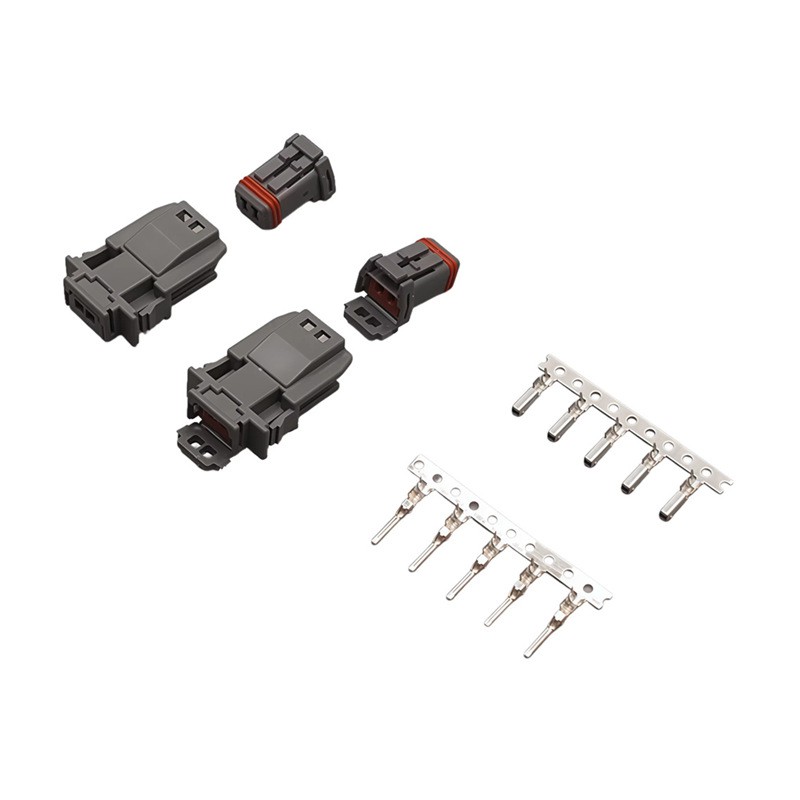
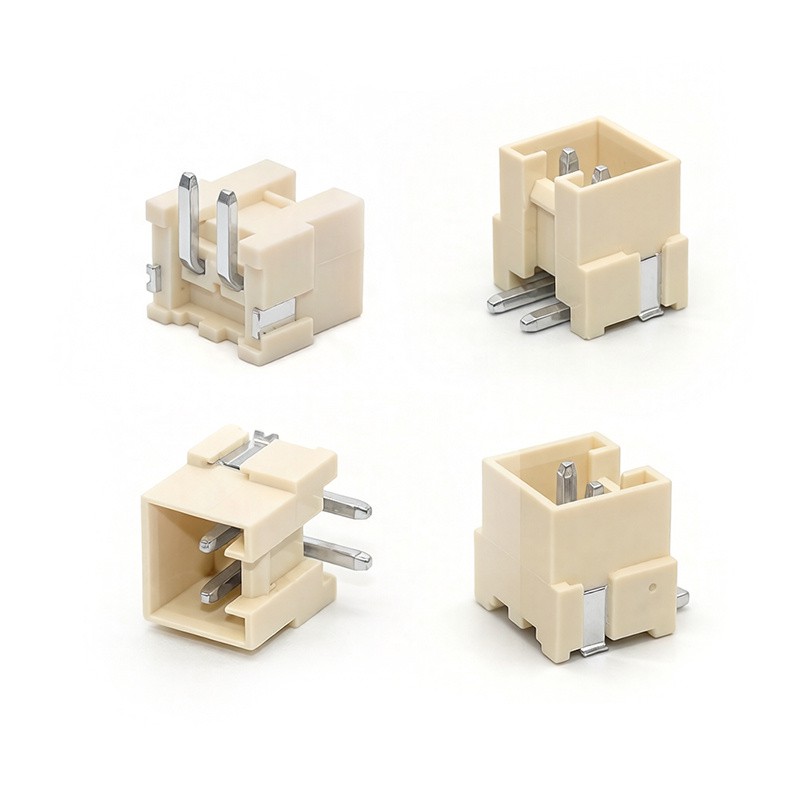
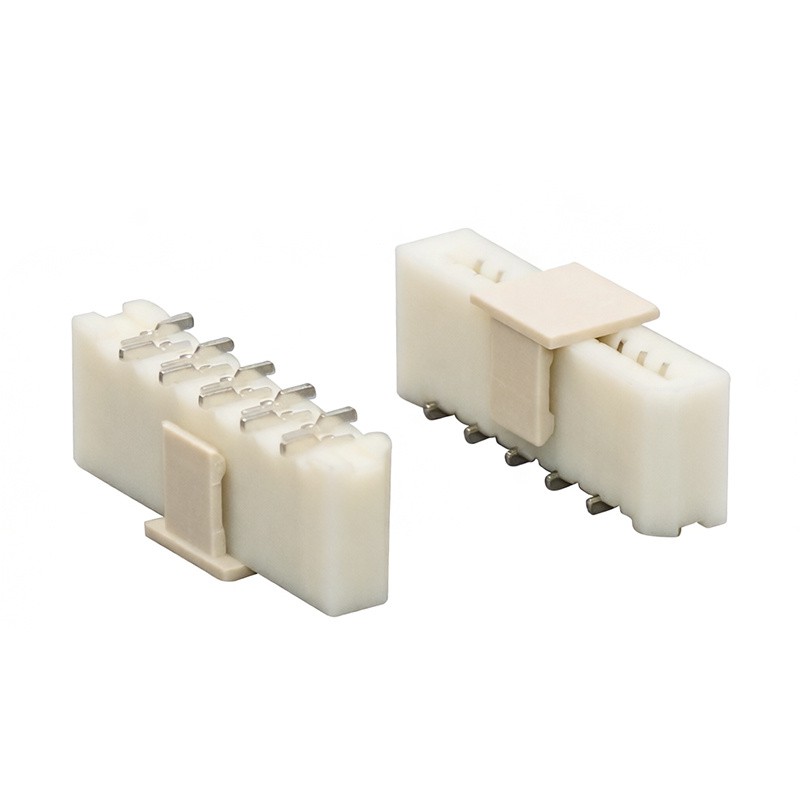
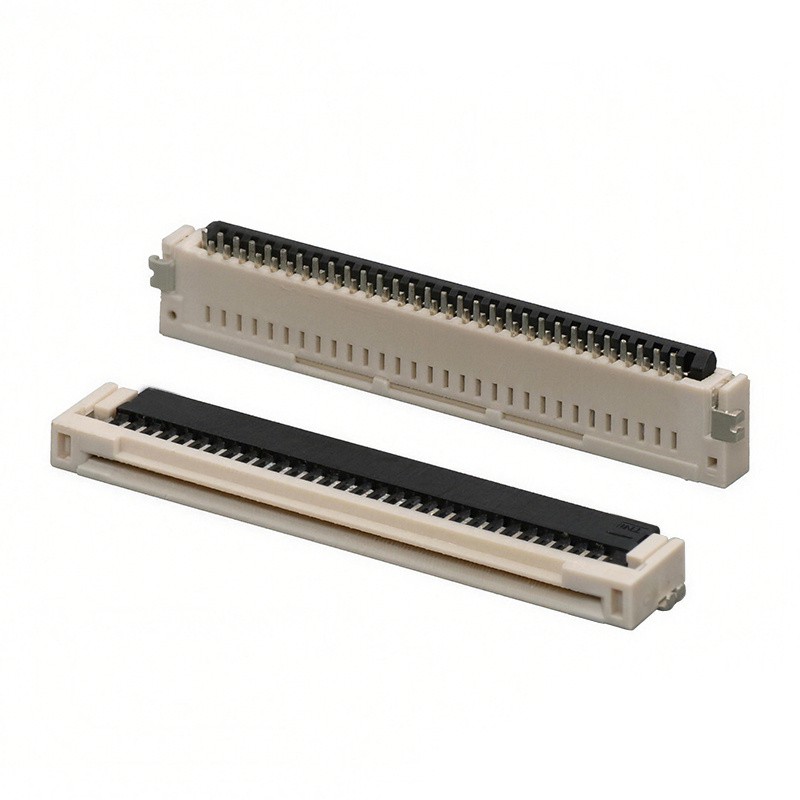
Hey there! As a supplier of BMS connectors, I often get asked about the shielding effectiveness of these connectors. In this blog post, I'm gonna break down what shielding effectiveness is, why it's important in BMS connectors, and how our products stack up. So, let's dive right in!
What is Shielding Effectiveness?
Shielding effectiveness is a measure of how well a shield can reduce the electromagnetic interference (EMI) that passes through it. EMI is basically the noise or interference that can be caused by electrical or electronic devices. It can disrupt the normal operation of other devices, leading to malfunctions or inaccurate readings.
In the context of BMS connectors, shielding effectiveness is crucial because the Battery Management System (BMS) needs to operate in a clean electrical environment. The BMS is responsible for monitoring and controlling the battery's charging and discharging processes, as well as ensuring its safety. Any interference can affect the accuracy of the BMS's measurements and potentially lead to battery damage or safety issues.
The shielding effectiveness of a connector is usually expressed in decibels (dB). A higher dB value means better shielding. For example, a shielding effectiveness of 60 dB means that the shield can reduce the EMI by a factor of 1000.
Why is Shielding Effectiveness Important in BMS Connectors?
There are several reasons why shielding effectiveness is important in BMS connectors:
- Signal Integrity: The BMS relies on accurate signals to monitor and control the battery. EMI can corrupt these signals, leading to inaccurate readings and potentially incorrect decisions by the BMS. A well-shielded connector helps to maintain the integrity of these signals, ensuring that the BMS can operate effectively.
- Safety: The BMS is responsible for ensuring the safety of the battery. Any interference can affect the BMS's ability to detect and respond to potential safety issues, such as overcharging or overheating. A shielded connector helps to reduce the risk of EMI-induced safety problems.
- Compliance: Many industries have strict regulations regarding EMI emissions. Using a BMS connector with high shielding effectiveness can help ensure compliance with these regulations.
How Does Our BMS Connector Achieve High Shielding Effectiveness?
At our company, we've put a lot of effort into designing and manufacturing BMS connectors with high shielding effectiveness. Here are some of the key features that contribute to our connectors' performance:
- High-Quality Shielding Materials: We use high-quality shielding materials, such as copper and aluminum, to provide effective shielding against EMI. These materials have excellent conductivity and can effectively block electromagnetic waves.
- Proper Shielding Design: Our connectors are designed with a proper shielding structure to ensure maximum coverage and protection. The shielding is carefully integrated into the connector design to minimize any gaps or openings that could allow EMI to penetrate.
- Grounding: Proper grounding is essential for effective shielding. Our connectors are designed with a reliable grounding mechanism to ensure that the shield is properly connected to the ground. This helps to divert any EMI to the ground, reducing its impact on the BMS.
Real-World Applications and Benefits
Our BMS connectors with high shielding effectiveness have been used in a wide range of applications, including electric vehicles, energy storage systems, and industrial equipment. Here are some of the benefits that our customers have experienced:


- Improved Performance: By reducing EMI, our connectors help to improve the performance of the BMS. This leads to more accurate battery monitoring and control, resulting in better battery performance and longer battery life.
- Enhanced Safety: The high shielding effectiveness of our connectors helps to ensure the safety of the battery and the overall system. By reducing the risk of EMI-induced malfunctions, our connectors help to prevent potential safety issues, such as overcharging or overheating.
- Compliance: Our connectors meet the strict EMI regulations of various industries, ensuring that our customers can use them in their products without any compliance issues.
Comparing Our BMS Connector with Others
When it comes to shielding effectiveness, not all BMS connectors are created equal. Some connectors may have lower shielding effectiveness due to the use of inferior materials or poor design. Here's how our BMS connector compares to others in the market:
- Higher Shielding Effectiveness: Our connectors are designed to provide higher shielding effectiveness compared to many other connectors in the market. This means that they can provide better protection against EMI, ensuring the reliable operation of the BMS.
- Better Durability: Our connectors are built to last. The high-quality materials and robust design ensure that they can withstand harsh environments and repeated use without compromising their shielding effectiveness.
- Customizable Solutions: We understand that different applications may have different requirements. That's why we offer customizable solutions to meet the specific needs of our customers. Whether you need a connector with a specific shielding effectiveness or a custom design, we can work with you to develop the right solution.
Conclusion
In conclusion, the shielding effectiveness of a BMS connector is a critical factor in ensuring the reliable operation of the Battery Management System. Our BMS connectors are designed to provide high shielding effectiveness, ensuring that the BMS can operate in a clean electrical environment. With our high-quality materials, proper shielding design, and reliable grounding mechanism, our connectors offer excellent protection against EMI.
If you're in the market for a BMS connector with high shielding effectiveness, we'd love to hear from you. Our team of experts can help you choose the right connector for your application and provide you with all the information you need. To learn more about our Battery Management System Connector and Wire-to-Board BMS Connector, visit our website or contact us today. Let's work together to ensure the success of your project!
References
- Electromagnetic Compatibility Engineering, Henry W. Ott
- Handbook of Electromagnetic Compatibility, Clayton R. Paul