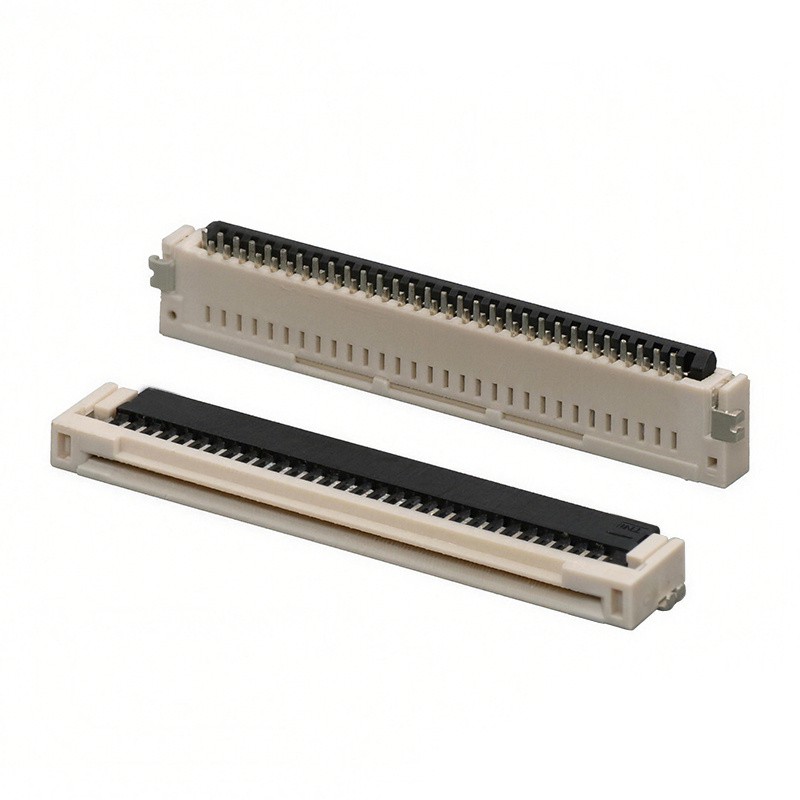
In the realm of electrical connections, wire-to-wire connectors play a crucial role in ensuring seamless and reliable transmission of power and signals. As a wire-to-wire connector supplier, I've witnessed firsthand the importance of understanding the different types of connectors available in the market. Two of the most common types are surface-mount and through-hole wire-to-wire connectors. In this blog, I'll delve into the differences between these two types of connectors, exploring their characteristics, advantages, and applications.
Understanding Surface-Mount Wire-to-Wire Connectors
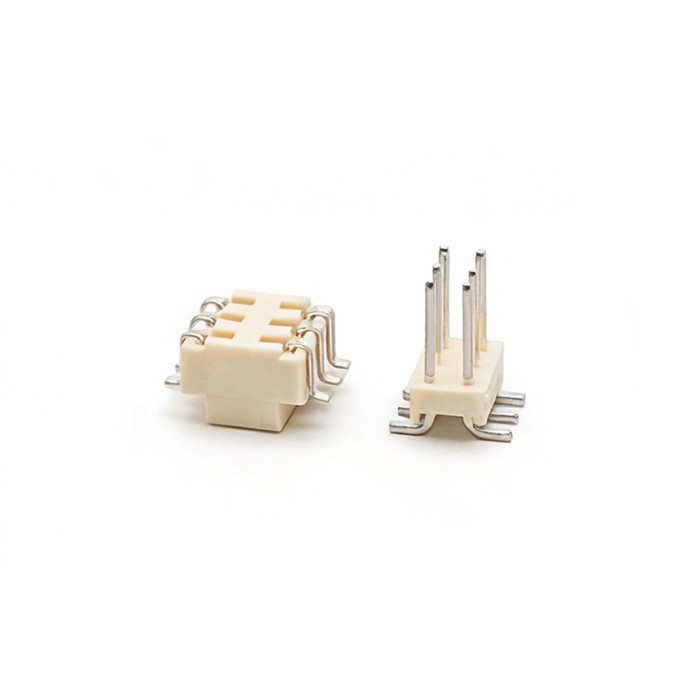
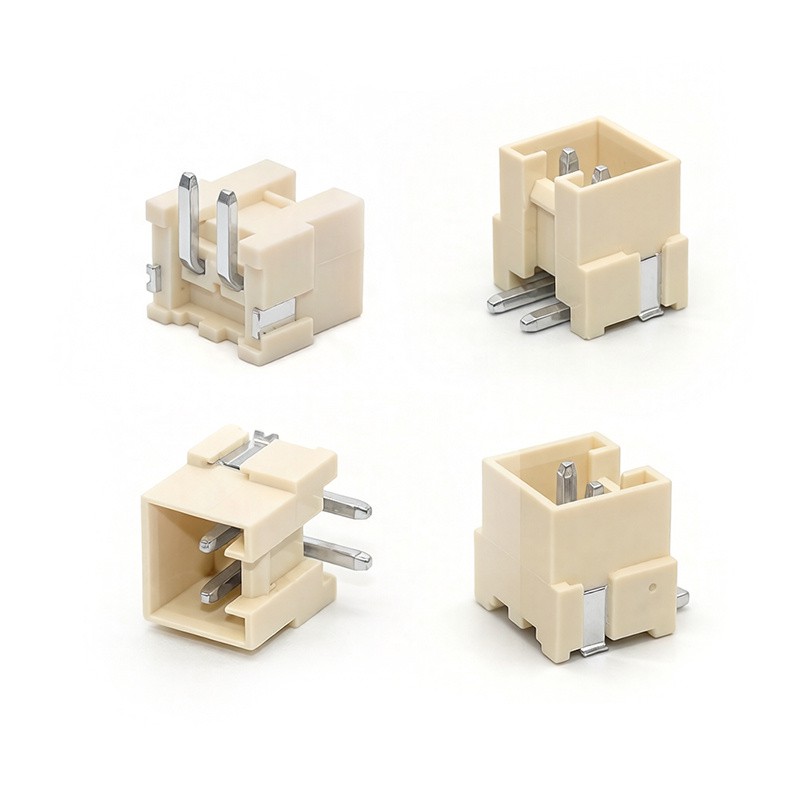
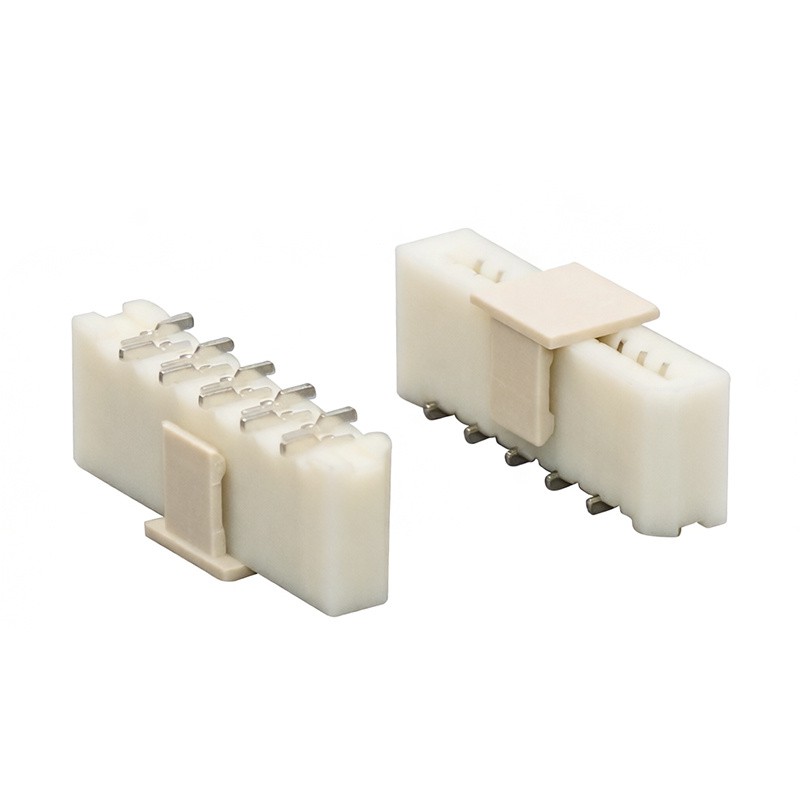
Surface-mount technology (SMT) has revolutionized the electronics industry by allowing components to be mounted directly onto the surface of a printed circuit board (PCB). Surface-mount wire-to-wire connectors are designed to be soldered onto the PCB surface, eliminating the need for holes to be drilled through the board.
One of the key advantages of surface-mount connectors is their compact size. Since they are mounted directly on the surface of the PCB, they take up less space compared to through-hole connectors. This makes them ideal for applications where space is limited, such as in mobile devices, wearables, and other compact electronic products.


Another advantage of surface-mount connectors is their high-speed performance. The shorter electrical paths and reduced parasitic capacitance associated with surface-mount technology result in lower signal loss and better signal integrity, making them suitable for high-speed data transmission applications.
Surface-mount connectors are also relatively easy to automate during the manufacturing process. Pick-and-place machines can quickly and accurately place the connectors onto the PCB, reducing production time and costs.
However, surface-mount connectors do have some limitations. They are generally less robust than through-hole connectors and may not be suitable for applications that require high mechanical stress resistance. Additionally, the soldering process for surface-mount connectors requires precise control and specialized equipment, which can increase the complexity and cost of manufacturing.
Exploring Through-Hole Wire-to-Wire Connectors
Through-hole technology (THT) has been around for a long time and is still widely used in many electronic applications. Through-hole wire-to-wire connectors are designed to be inserted through holes drilled in the PCB and soldered on the opposite side.
One of the main advantages of through-hole connectors is their mechanical strength. The pins of through-hole connectors are inserted through the PCB, providing a secure and reliable connection that can withstand high levels of mechanical stress. This makes them suitable for applications where the connectors may be subject to vibration, shock, or other mechanical forces, such as in automotive, industrial, and aerospace applications.
Through-hole connectors are also relatively easy to hand-solder, making them a popular choice for prototyping and small-scale production. They can be easily replaced or repaired if necessary, which is an important consideration in applications where maintenance and repair are required.
However, through-hole connectors do have some drawbacks. They are generally larger in size compared to surface-mount connectors, which can limit their use in applications where space is limited. The drilling of holes in the PCB also adds to the manufacturing complexity and cost. Additionally, the longer electrical paths associated with through-hole technology can result in higher signal loss and lower signal integrity, making them less suitable for high-speed data transmission applications.
Key Differences in Design and Manufacturing
The design and manufacturing processes for surface-mount and through-hole wire-to-wire connectors are significantly different.
In terms of design, surface-mount connectors are typically smaller and more compact, with a lower profile. They are designed to be mounted directly on the surface of the PCB, which requires a different layout and soldering technique compared to through-hole connectors. Through-hole connectors, on the other hand, are larger and have a more robust design, with pins that are inserted through the PCB.
The manufacturing process for surface-mount connectors involves the use of pick-and-place machines to place the connectors onto the PCB, followed by a reflow soldering process. This process requires precise control and specialized equipment to ensure proper alignment and soldering. Through-hole connectors, on the other hand, are inserted into the holes in the PCB by hand or using automated insertion machines, and then soldered using wave soldering or manual soldering techniques.
Applications and Use Cases
The choice between surface-mount and through-hole wire-to-wire connectors depends on the specific requirements of the application.
Surface-mount connectors are commonly used in applications where space is limited and high-speed performance is required. Some examples include mobile phones, tablets, laptops, and other consumer electronics. They are also used in applications where automated manufacturing processes are preferred, such as in mass production of electronic devices.
Through-hole connectors, on the other hand, are commonly used in applications where mechanical strength and reliability are critical. Some examples include automotive electronics, industrial control systems, power supplies, and aerospace applications. They are also used in applications where hand-soldering and easy repair are required, such as in prototyping and small-scale production.
Our Product Offerings
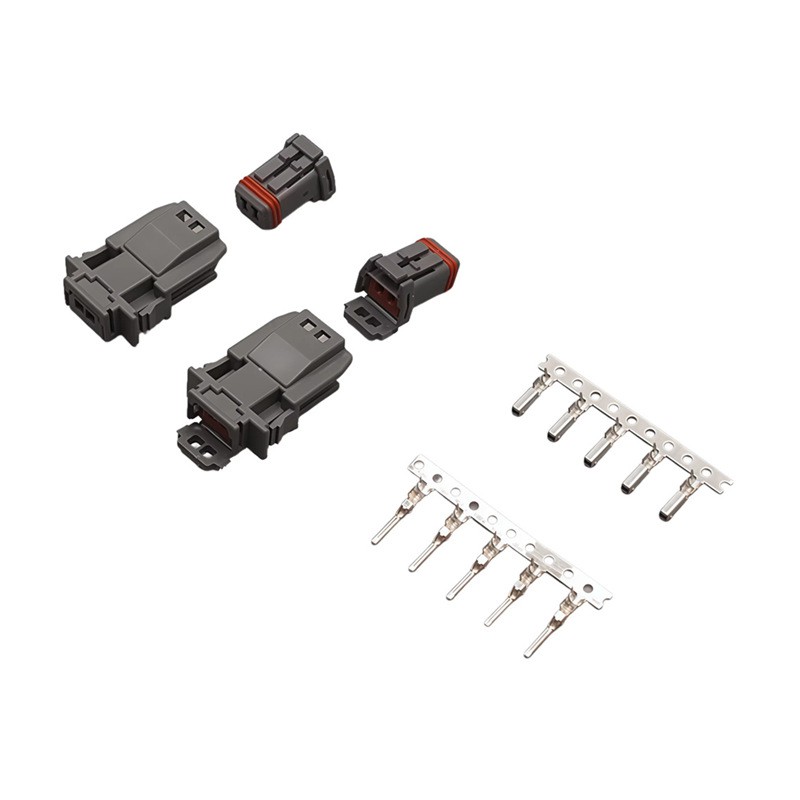
As a wire-to-wire connector supplier, we offer a wide range of surface-mount and through-hole wire-to-wire connectors to meet the diverse needs of our customers. Our Inline Connectors Wire To Wire Waterproof are designed to provide reliable and secure connections in harsh environments, with excellent waterproof and dustproof performance. Our Inline Connectors Wire To Wire are suitable for a variety of applications, offering a cost-effective solution for wire-to-wire connections. And our Connector Wire To Wire are available in different configurations and sizes to meet the specific requirements of your project.
Contact Us for Procurement
If you're in the market for high-quality wire-to-wire connectors, we'd love to hear from you. Our team of experts can help you choose the right connectors for your application and provide you with competitive pricing and excellent customer service. Whether you're a small business or a large corporation, we have the products and expertise to meet your needs. Contact us today to start the procurement process and take your project to the next level.
References
- "Surface Mount Technology (SMT): Principles and Practice" by John H. Lau
- "Through-Hole Technology in Electronics Manufacturing" by David J. Bell
- "Electrical Connectors Handbook" by Ronald B. Standler