
L065 U Shaped IDC Terminal for LED Wiring
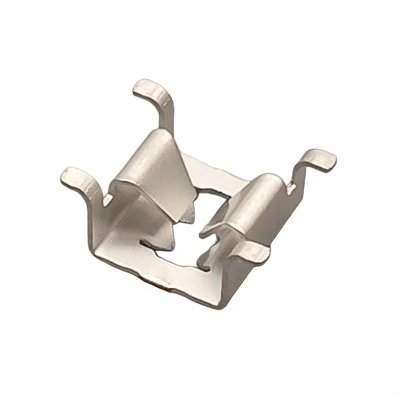
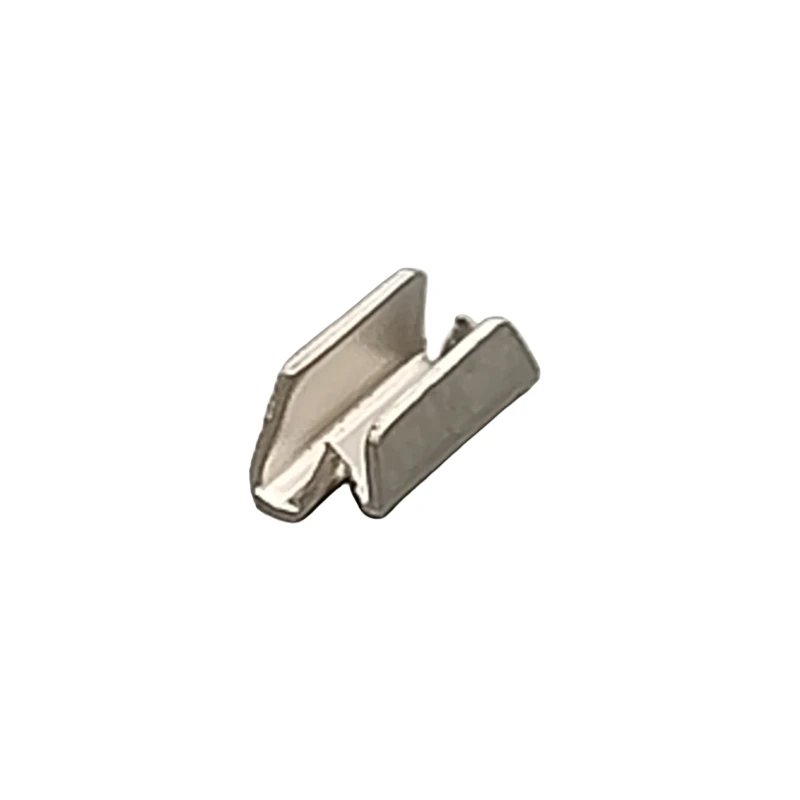
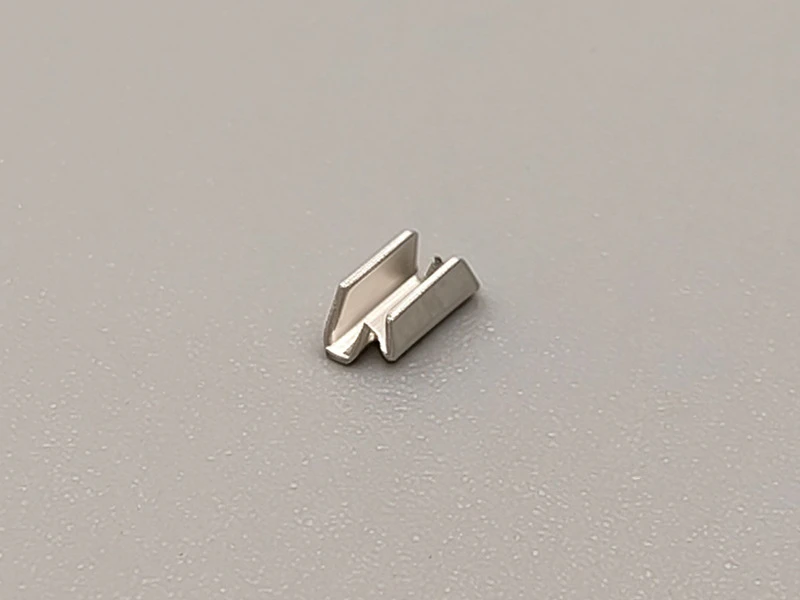
L065 is a U-shaped insulation displacement terminal for LED wiring: the wire is pushed into the slot and the two blades cut through the insulation and bite into the conductor, so neither stripping nor soldering is needed. That removes the two steps that most often damage a fine LED harness, namely nicking the strands while stripping and overheating the insulation while soldering. The terminal is a single stamped part with two spring blades that close on the conductor from both sides, giving a gas-tight contact over a larger area than a single blade would. It is used in lamp and module harnesses where the wire is fine and the connection has to be made quickly on a line. The terminal sits on the board or inside a housing and takes the wire in one push, so a harness can be finished at the end of the line without a soldering station.
The L065 blade angle is set together with the slot width on the die and both are measured on first-off parts, because a steeper blade cuts more easily but leaves a shorter contact length. The terminal takes an unstripped wire in one push, and a wiring fault can be reworked by lifting the wire out and pressing a new one in without cutting the lead.
Specifications
|
Parameter |
Specification |
|
Model |
L065 |
|
Product type |
U-shaped IDC terminal for LED wiring |
|
Structure |
One-piece high-rebound metal spring |
|
Termination |
Insulation displacement, no stripping, no soldering |
|
Applicable wire |
Fine-gauge LED low-voltage wire |
|
Material |
Stamped copper alloy |
|
Plating |
Gold, tin or nickel, selectable |
|
Compliance |
RoHS, REACH |
Applications
Fine-wire Harnesses in LED Lamps
A thin wire is easy to damage while stripping. Pushing it into a slot avoids the stripping step entirely, so the strands reach the contact intact and the joint starts from a known conductor.
High-volume Module Assembly
Where a line makes the same joint thousands of times, removing the soldering step removes the cycle time and the operator variability that comes with it.
Sealed Fixtures Where Insulation Must Stay Intact
Soldering close to a connector can melt insulation back along the wire and leave a bare section inside a sealed housing. An IDC joint leaves the insulation in place outside the contact area.
Customization
- Slot width is cut to the conductor width of the wire the customer uses, and the joint is pull-tested with that wire before release.
- Terminal plating can be quoted to suit the wire material and the environment.
- Body format can be adapted where the terminal has to sit in a particular orientation on the board or in a housing.
- Samples are built and tested with the customer's wire; development takes 7 to 30 days.
- Minimum order quantity is one set, negotiable by item, with different sizes of parts mixable in one order.
Packaging & Transportation
Supplied loose in bags or in taped reels where the customer's feeder requires it, with desiccant in the bag.
100% inspection before packing covers blade condition; joint quality is verified per lot by pulling a made-up sample and checking for severed strands.
Bags or reels are cartoned, palletised and strapped, with wooden cases for sea freight. EXW, FOB and DDP can be quoted.

Frequently Asked Questions
Q1. Does the terminal cut the wire strands?
+
-
The slot is cut to the conductor width so the blades displace strands rather than sever them, and the joint is pull-tested with the customer's wire to confirm no strands are cut.
Q2. What wire gauge can be used?
+
-
The gauge is confirmed against the slot before tooling, since the slot is cut for a specific conductor width. Send the wire specification with the enquiry.
Q3. Is stripping really not required?
+
-
Correct. The blades cut through the insulation and contact the conductor in one push, so no stripping and no soldering step is needed.
Hot Tags: l065 u shaped idc terminal for led wiring, China l065 u shaped idc terminal for led wiring manufacturers, suppliers, factory