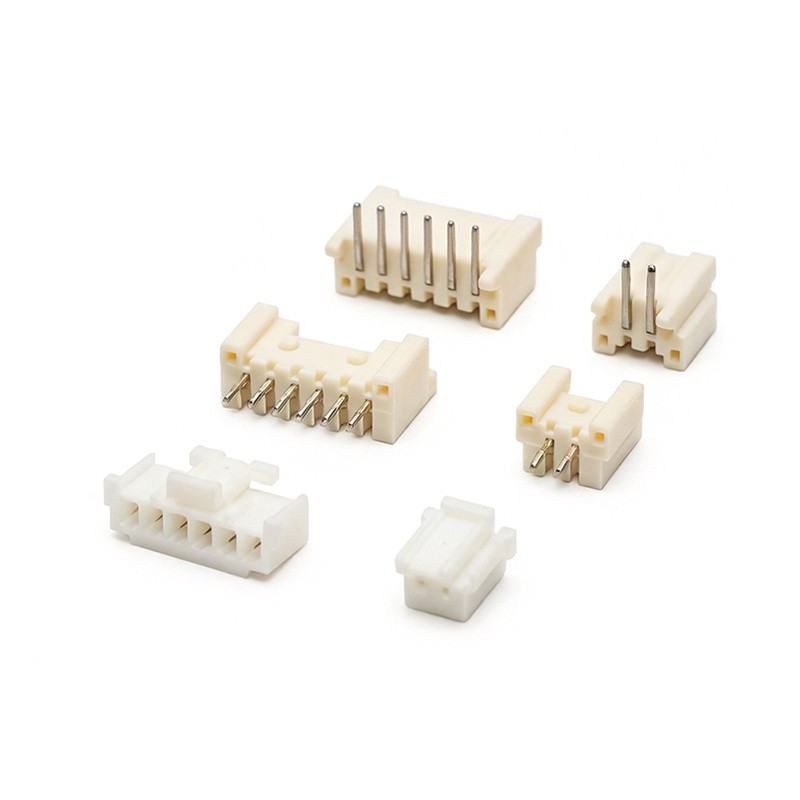
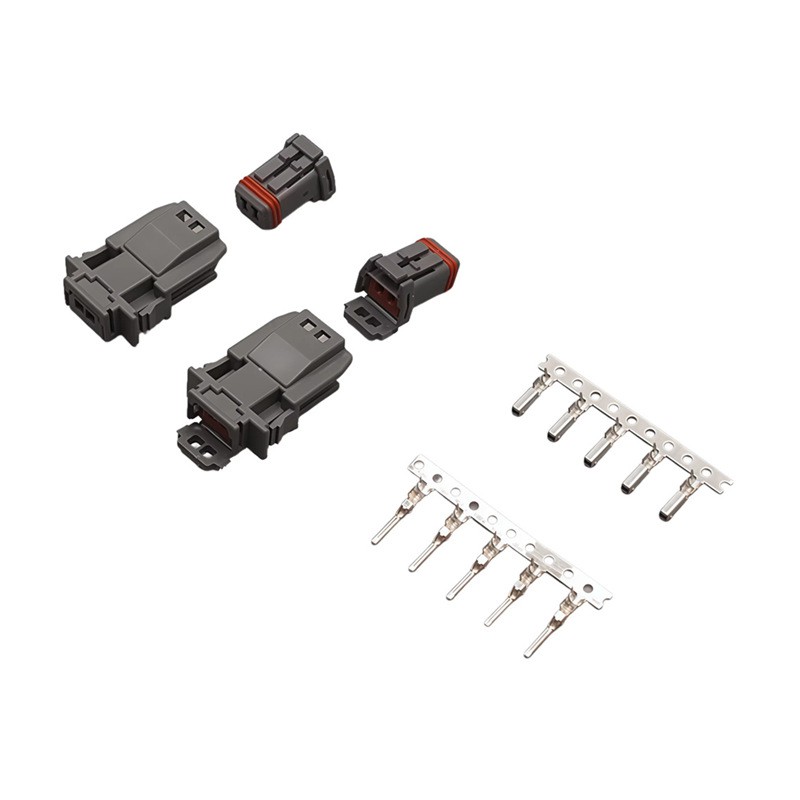
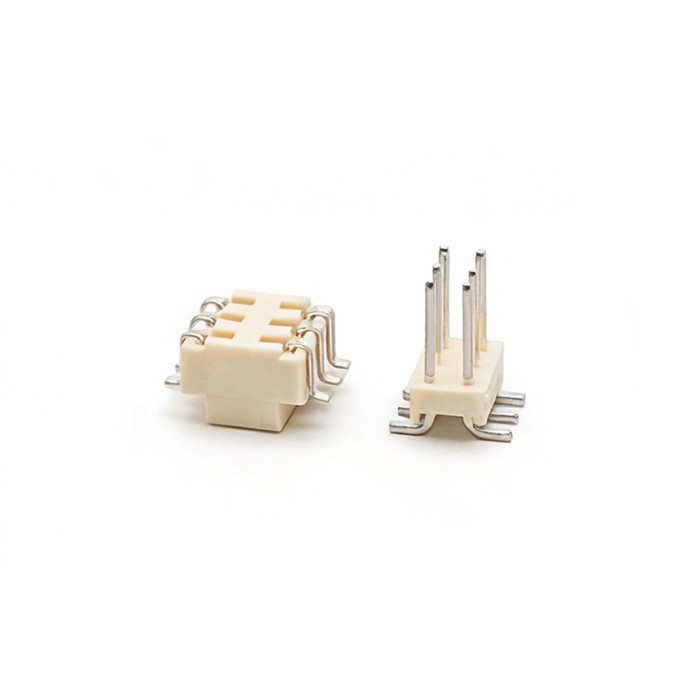
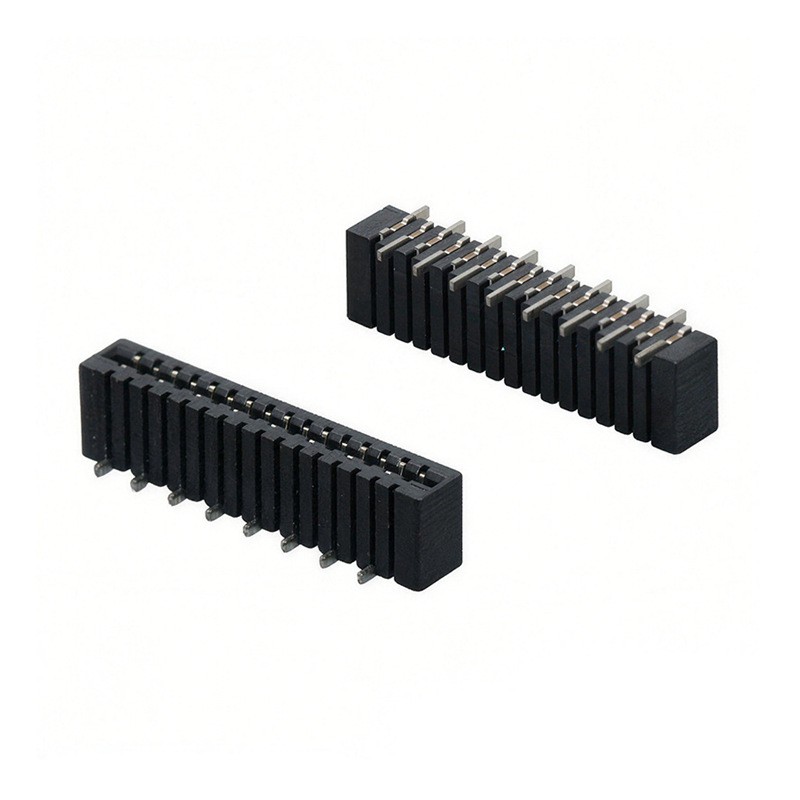
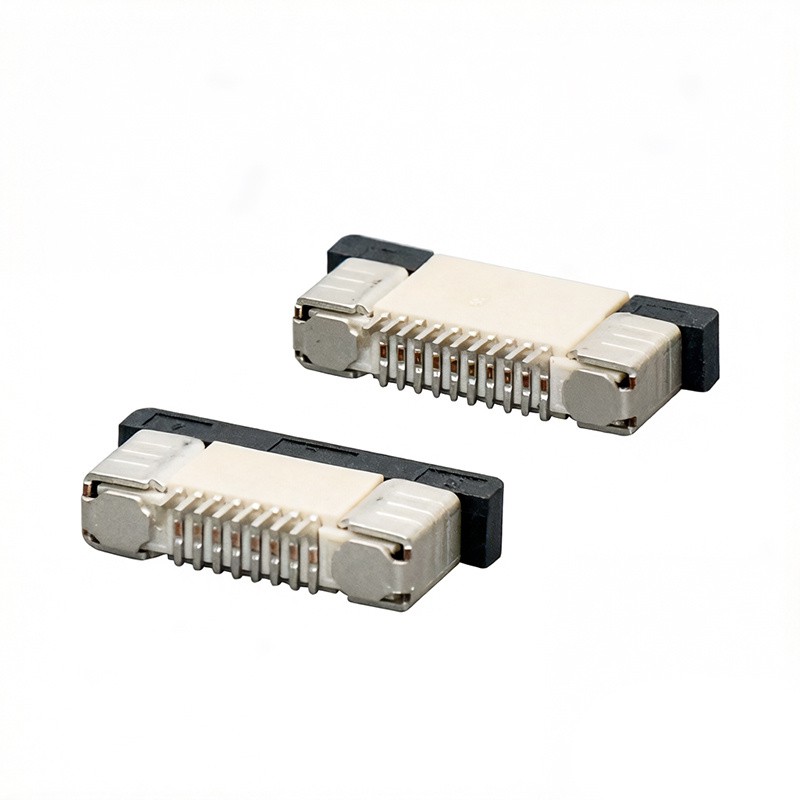
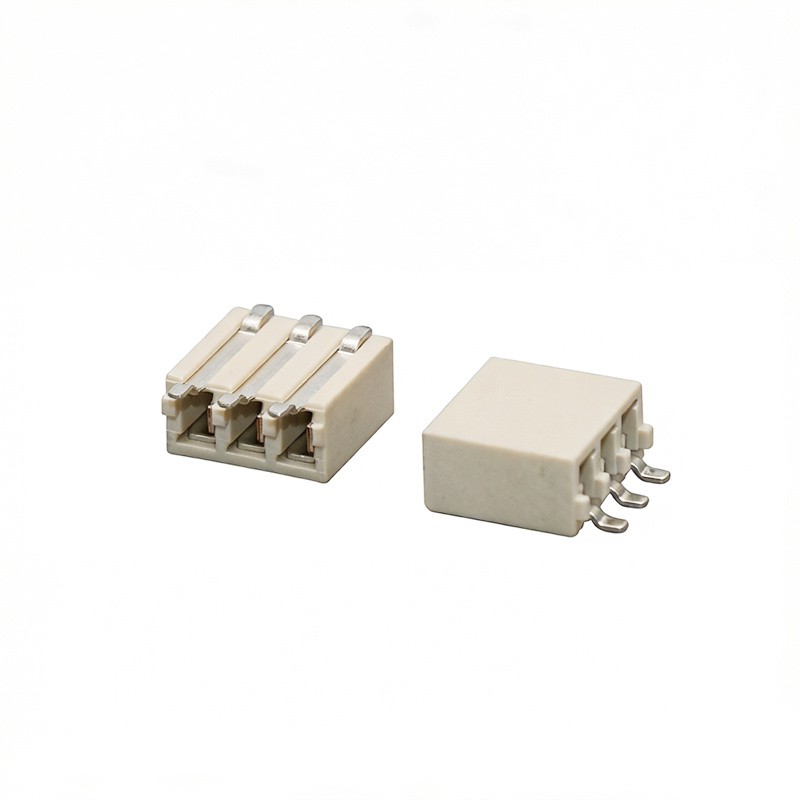
As a supplier of FPC Display Connectors, I often get asked if these connectors can be used in harsh environments. It's a valid question, considering the wide range of conditions that electronic devices might face. In this blog, I'll share my insights on this topic based on my experience in the industry.
First off, let's understand what a harsh environment means. It can refer to extreme temperatures, high humidity, exposure to chemicals, dust, vibration, and even mechanical stress. These conditions can take a toll on electronic components, including FPC Display Connectors.
Temperature
Extreme temperatures are one of the most common challenges in harsh environments. When it gets too hot, the materials in the FPC Display Connector can expand, which might lead to loose connections. On the other hand, extremely cold temperatures can make the materials brittle, increasing the risk of breakage.
However, many of our FPC Display Connectors are designed to withstand a wide temperature range. We use high - quality materials that have good thermal stability. For example, some of our connectors can operate in temperatures ranging from - 40°C to 85°C. This makes them suitable for applications in places like industrial freezers or outdoor electronic signage that is exposed to direct sunlight.
Humidity
High humidity can cause corrosion and short - circuits in electronic connectors. Moisture can seep into the connector and react with the metal parts, leading to rust and degradation of the electrical conductivity.
To combat this, we have developed FPC Display Connectors with special coatings and seals. These coatings act as a barrier against moisture, preventing it from reaching the sensitive internal components. The seals are designed to keep the connector tightly closed, reducing the chances of water ingress. So, even in a humid environment like a bathroom or a coastal area, our connectors can perform reliably.
Chemical Exposure
In some industrial settings, electronic devices are exposed to various chemicals. These chemicals can be corrosive, and they can damage the FPC Display Connectors. For instance, in a chemical processing plant, the connectors might come into contact with acids or solvents.
Our FPC Display Connectors are made from materials that are resistant to many common chemicals. We test them rigorously to ensure that they can withstand exposure to different chemical substances. This means that they can be used in industries such as chemical manufacturing, where the environment is full of potentially harmful chemicals.
Dust and Vibration
Dust can accumulate inside the connector, causing poor electrical contact. Vibration, on the other hand, can loosen the connections over time.
We have designed our connectors with dust - proof features. They have tight enclosures that prevent dust from entering. Additionally, the connectors are engineered to be vibration - resistant. The contacts are securely held in place, and the overall structure is robust enough to withstand the vibrations that might occur in machinery or vehicles.
Mechanical Stress
Mechanical stress can occur when the connector is bent, twisted, or pulled. In some applications, the FPC cable connected to the connector might need to be moved or adjusted frequently.
Our FPC Display Connectors are flexible and can withstand a certain amount of mechanical stress. The FPC cables themselves are made from materials that are bendable without losing their electrical properties. This allows for easy installation and use in applications where the cable needs to be maneuvered.
Types of FPC Display Connectors
There are different types of FPC Display Connectors, each with its own characteristics and suitability for harsh environments.
The FPC Ribbon Cable Connector is a popular choice. It provides a reliable connection between the FPC cable and the display. These connectors are often used in consumer electronics, but they can also be used in harsh environments if they are properly designed. They are usually compact and easy to install.


The FPC To Wire Connector is useful when you need to connect an FPC cable to a wire. This type of connector is commonly used in industrial applications where the wiring setup is more complex. It can be designed to be more robust and resistant to the challenges of a harsh environment.
The FPC Socket Connector is another option. It allows for easy insertion and removal of the FPC cable. These connectors are often used in applications where the cable needs to be replaced or adjusted frequently. They can also be made to be suitable for harsh environments with the right design and materials.
Conclusion
So, can you use an FPC Display Connector in a harsh environment? The answer is yes, as long as you choose the right connector and it is properly designed and manufactured. At our company, we take pride in offering FPC Display Connectors that are built to withstand the challenges of harsh environments.
If you're in the market for FPC Display Connectors for a harsh - environment application, I encourage you to reach out to us. We can help you select the most suitable connector for your specific needs. Our team of experts is always ready to provide you with technical support and advice. Whether you're working on an industrial project, a consumer electronics product, or any other application, we can find the right solution for you.
References
- Industry standards and specifications for FPC Display Connectors
- Internal testing reports and data from our R & D department
- Case studies of successful applications of FPC Display Connectors in harsh environments