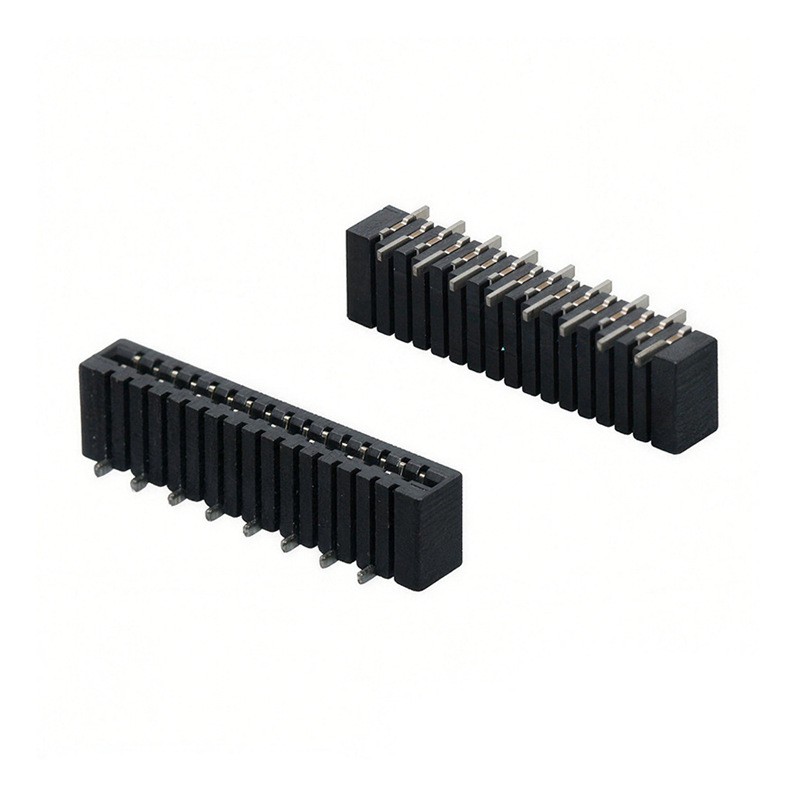
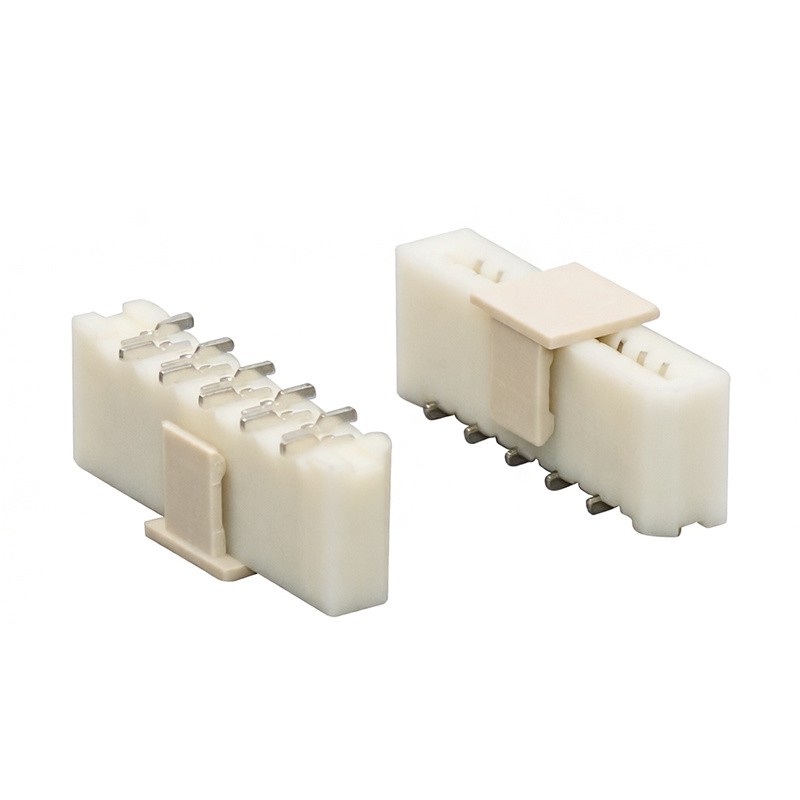
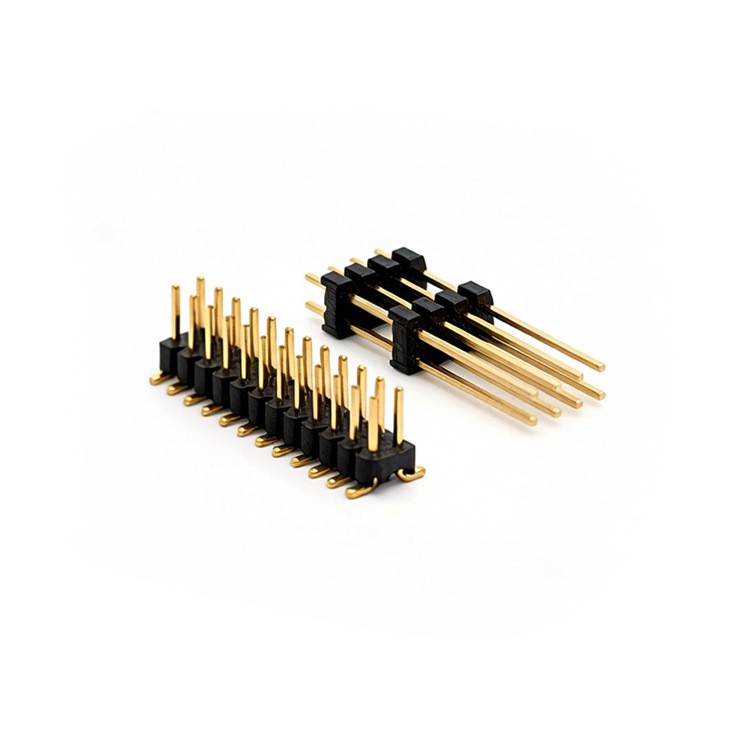
In the dynamic landscape of electronic components, FPC (Flexible Printed Circuit) display connectors play a pivotal role in ensuring seamless communication between various devices. As a leading FPC display connector supplier, I am excited to delve into the different types of FPC display connectors, their unique features, and applications. This exploration will not only provide valuable insights for industry professionals but also assist those looking to source high-quality FPC display connectors for their projects.
1. ZIF (Zero Insertion Force) FPC Display Connectors
ZIF FPC display connectors are renowned for their ease of use and reliability. These connectors allow for the insertion and removal of FPCs without the need for applying significant force. The mechanism typically involves a lever or slider that, when actuated, opens the connector jaws to accept the FPC. Once the FPC is in place, closing the lever or slider securely clamps the FPC, ensuring a stable electrical connection.
One of the key advantages of ZIF FPC display connectors is their ability to prevent damage to the FPC during insertion and removal. This is particularly important in applications where the FPC may be delicate or subject to frequent handling. ZIF connectors are commonly used in consumer electronics such as smartphones, tablets, and laptops, where space is limited, and the need for reliable connections is high.
For more information on ZIF FPC display connectors and other types of FPC Display Connector, feel free to explore our comprehensive product range.
2. Non - ZIF (Non - Zero Insertion Force) FPC Display Connectors
Non - ZIF FPC display connectors require a certain amount of force to insert and remove the FPC. These connectors rely on the friction between the FPC and the connector contacts to maintain a stable electrical connection. While they may not be as user - friendly as ZIF connectors, non - ZIF connectors offer several advantages.
Non - ZIF connectors are generally more compact and have a lower profile, making them suitable for applications where space is at a premium. They are also often more cost - effective than ZIF connectors, which makes them a popular choice for mass - produced electronic devices. However, the insertion and removal process requires more care to avoid damaging the FPC or the connector contacts.
3. Board - to - Board FPC Display Connectors
Board - to - Board FPC display connectors are designed to connect two printed circuit boards (PCBs) using an FPC. These connectors provide a flexible and reliable solution for applications where the PCBs need to be connected at different angles or distances. Board - to - Board FPC display connectors come in various sizes and configurations to accommodate different design requirements.
One of the main benefits of board - to - board FPC display connectors is their ability to reduce the overall size and weight of the electronic device. By using an FPC instead of a rigid cable, the connector can be more easily routed within the device, allowing for a more compact and efficient design. These connectors are commonly used in automotive electronics, industrial control systems, and medical devices.
4. FPC Socket Connectors
FPC Socket Connector are designed to provide a secure and detachable connection for FPCs. These connectors typically have a socket or receptacle that accepts the FPC, and they can be either ZIF or non - ZIF types. FPC socket connectors are widely used in applications where the FPC needs to be easily replaced or removed for maintenance or upgrade purposes.
The advantage of FPC socket connectors is their flexibility and ease of use. They allow for quick and simple installation and removal of the FPC, which can save time and reduce the risk of damage to the FPC or the connector. FPC socket connectors are commonly found in consumer electronics, test equipment, and other applications where frequent FPC replacement is required.
5. FPC Ribbon Cable Connectors
FPC Ribbon Cable Connector are used to connect FPCs to other components or devices using a ribbon cable. These connectors are designed to provide a reliable and flexible connection, allowing for easy routing of the cable within the device. FPC ribbon cable connectors come in various sizes and pin configurations to match the specific requirements of the application.
FPC ribbon cable connectors are often used in applications where the FPC needs to be connected to a remote device or component. They are commonly found in computer peripherals, such as monitors and printers, as well as in automotive and aerospace applications. The flexibility of the ribbon cable allows for easy installation and movement, making it suitable for applications where the cable may need to bend or flex.
Applications of FPC Display Connectors
FPC display connectors are used in a wide range of applications across various industries. In the consumer electronics industry, they are used in smartphones, tablets, laptops, and televisions to connect the display panel to the main circuit board. In the automotive industry, FPC display connectors are used in in - vehicle infotainment systems, instrument clusters, and rear - seat entertainment systems.
In the medical industry, FPC display connectors are used in medical devices such as patient monitors, ultrasound machines, and endoscopes. These connectors provide a reliable and flexible connection, ensuring accurate and stable data transmission. In the industrial control industry, FPC display connectors are used in control panels, automation systems, and robotics to connect displays and other components.
Quality and Reliability
As a supplier of FPC display connectors, we understand the importance of quality and reliability. Our connectors are manufactured using high - quality materials and advanced manufacturing processes to ensure consistent performance and long - term reliability. We conduct rigorous testing and quality control measures to ensure that our connectors meet or exceed industry standards.
We also offer a wide range of customization options to meet the specific requirements of our customers. Whether you need a specific pin configuration, a custom housing design, or a unique termination method, we can work with you to develop a solution that meets your needs.


Conclusion
In conclusion, FPC display connectors are essential components in modern electronic devices. The different types of FPC display connectors, including ZIF, non - ZIF, board - to - board, FPC socket, and FPC ribbon cable connectors, offer a variety of features and benefits to meet the diverse needs of different applications.
If you are in the market for high - quality FPC display connectors, we invite you to contact us for more information. Our team of experts is ready to assist you in selecting the right connector for your project and to provide you with the support and service you need. We look forward to working with you to meet your FPC display connector requirements.
References
- "Flexible Printed Circuit Technology" by Paul T. Vianco
- "Connectors for Electronic Applications" by William J. Devine