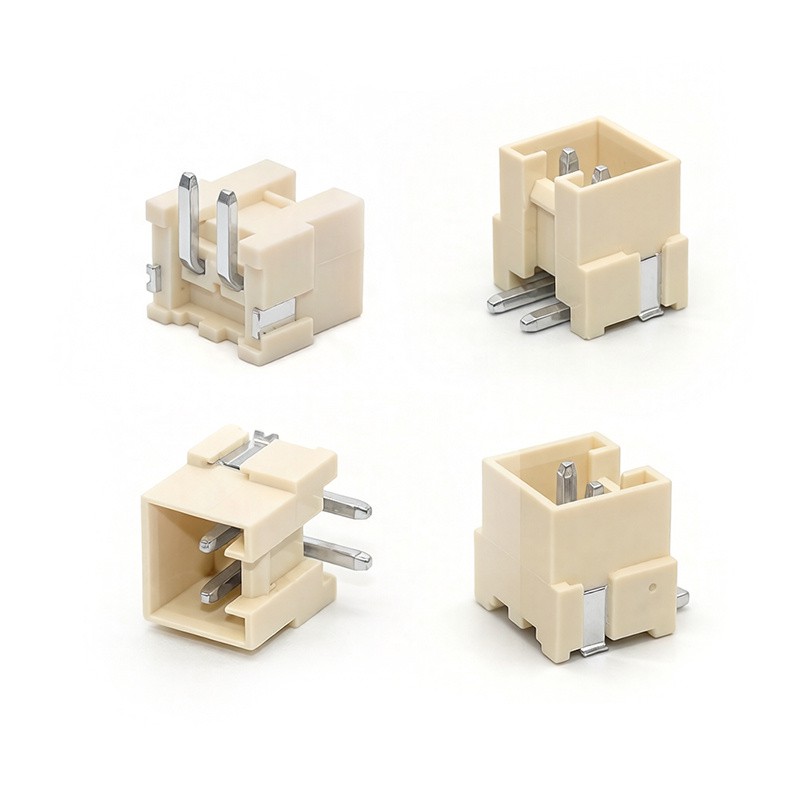
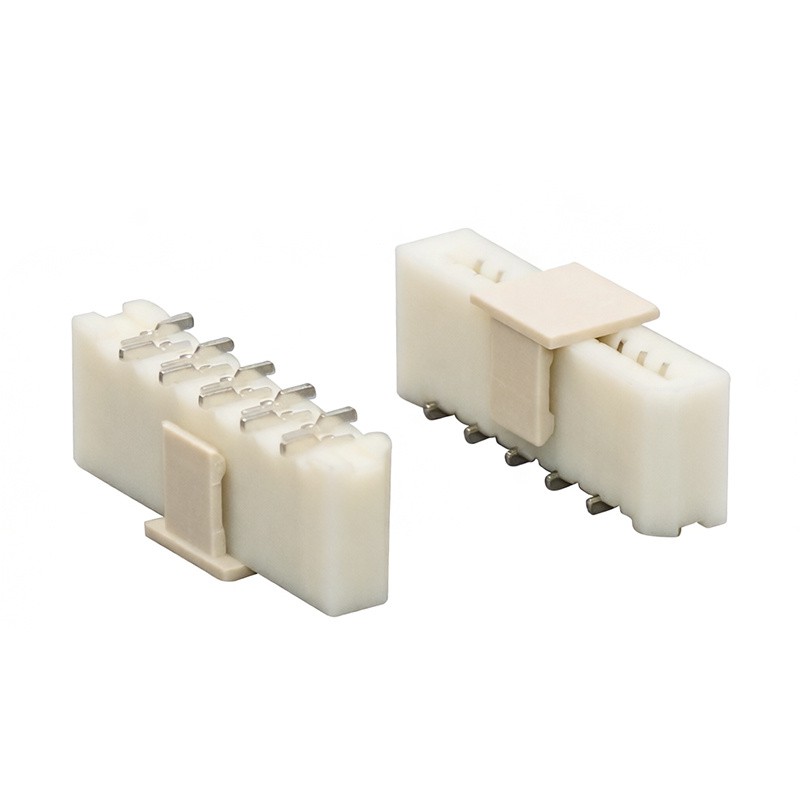
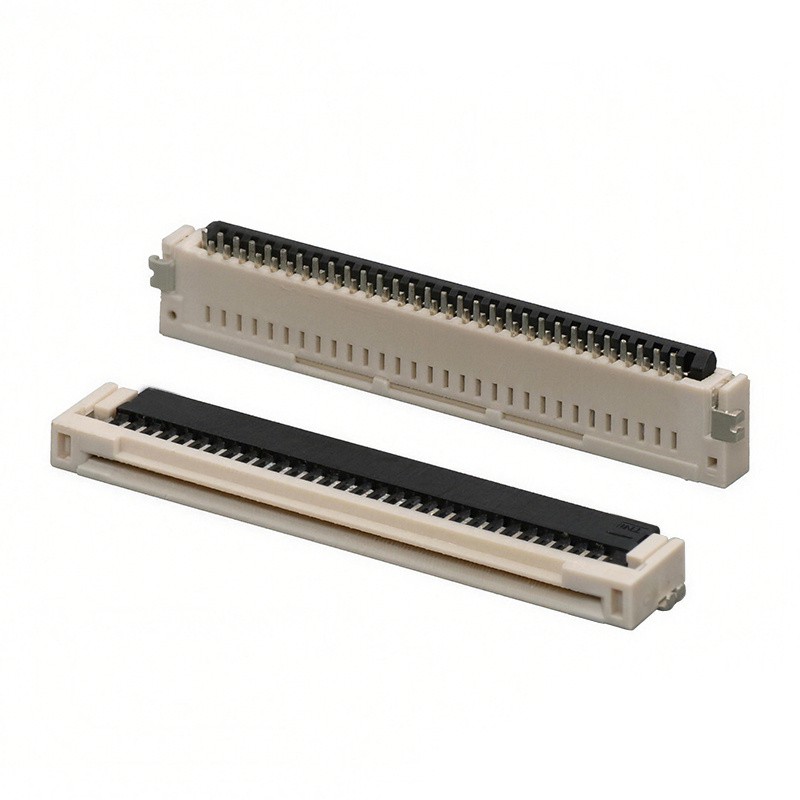
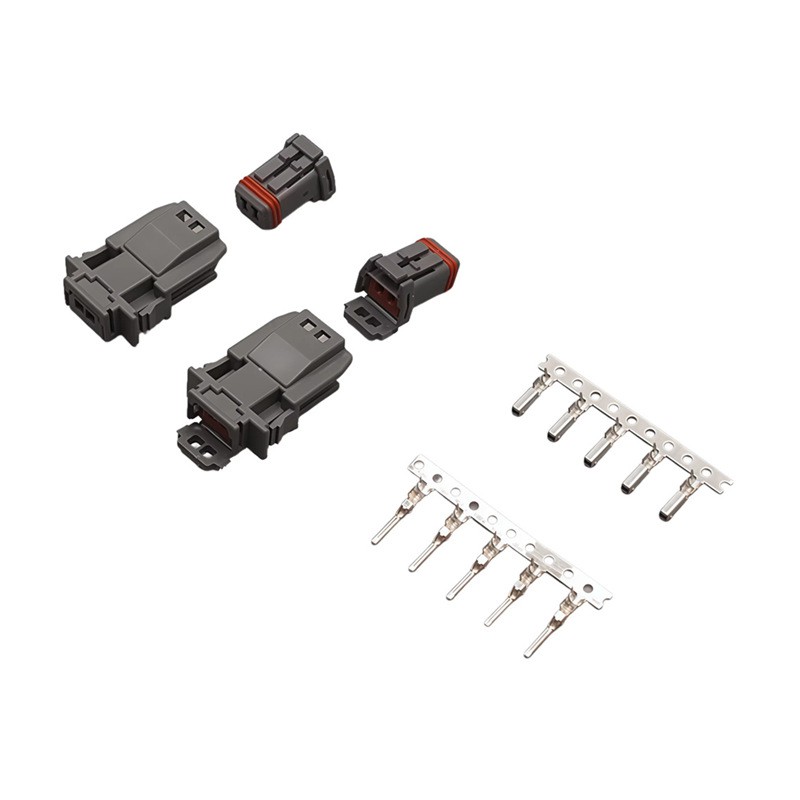
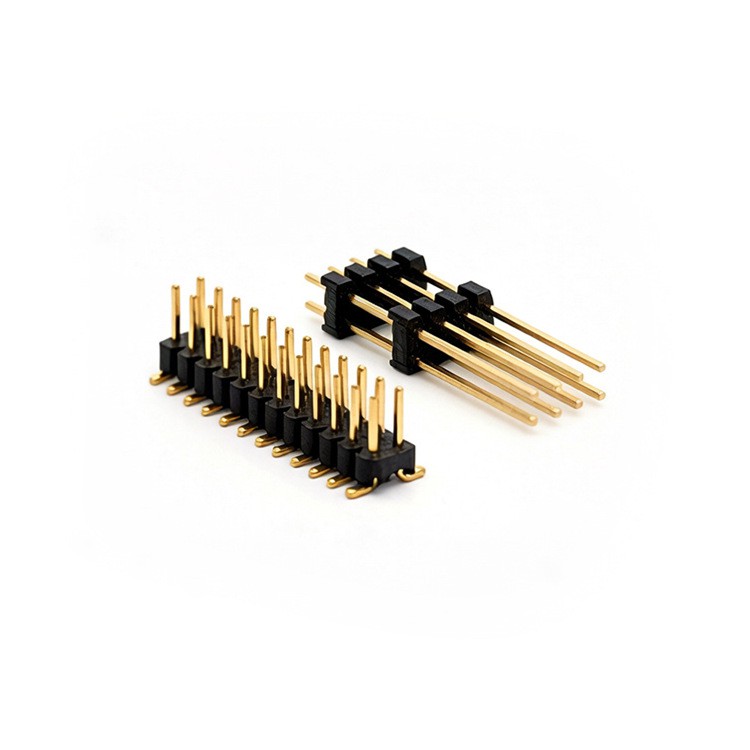
As a supplier of FPC To Wire Connectors, I often get asked about the contact force of these connectors. In this blog post, I'll break down what contact force is, why it's important for FPC To Wire Connectors, and how it impacts the performance of your electronic devices.
What is Contact Force?
Contact force, in the context of connectors, is the force applied between the contact surfaces of the connector components. It's what keeps the electrical connection stable and ensures that current can flow smoothly between the flexible printed circuit (FPC) and the wire. When the contact force is too low, you might experience intermittent connections, signal loss, or even complete disconnection. On the other hand, if the contact force is too high, it can damage the FPC or the connector itself.
Why is Contact Force Important for FPC To Wire Connectors?
FPC To Wire Connectors are used in a wide range of electronic devices, from smartphones and tablets to industrial equipment and automotive applications. In these devices, a reliable electrical connection is crucial for proper operation. The contact force plays a key role in maintaining this connection.
For example, in a smartphone, the FPC To Wire Connector is used to connect the display to the main circuit board. If the contact force is not sufficient, the display might flicker or go blank, which can be a major annoyance for the user. In an automotive application, a poor contact force in a connector can lead to malfunctions in critical systems, such as the engine control unit or the airbag system.
Factors Affecting Contact Force
Several factors can affect the contact force of FPC To Wire Connectors. These include the material of the contacts, the design of the connector, and the manufacturing process.
- Material of the Contacts: The material of the contacts can have a significant impact on the contact force. For example, gold-plated contacts are often used because they have good conductivity and are resistant to corrosion. However, the thickness of the gold plating can also affect the contact force. A thicker plating might increase the contact force, but it can also make the connector more expensive.
- Design of the Connector: The design of the connector can also affect the contact force. For example, a connector with a more flexible contact structure might have a lower contact force, while a connector with a more rigid contact structure might have a higher contact force. The shape and size of the contacts can also affect the contact force.
- Manufacturing Process: The manufacturing process can also affect the contact force. For example, if the contacts are not properly formed or if there are impurities in the material, the contact force might be affected.
Measuring Contact Force
Measuring the contact force of FPC To Wire Connectors is an important part of the quality control process. There are several methods for measuring contact force, including using a force gauge or a load cell.
A force gauge is a simple device that measures the force applied to an object. To measure the contact force of a connector, you can use a force gauge to apply a force to the connector and measure the force required to separate the contacts. A load cell is a more sophisticated device that can measure the force applied to an object with greater accuracy.
How to Choose the Right Contact Force
Choosing the right contact force for your FPC To Wire Connector depends on several factors, including the application, the environment, and the type of FPC and wire being used.

- Application: The application of the connector can have a significant impact on the contact force. For example, in a high-vibration environment, a higher contact force might be required to ensure a stable connection. In a low-power application, a lower contact force might be sufficient.
- Environment: The environment in which the connector will be used can also affect the contact force. For example, in a humid or corrosive environment, a higher contact force might be required to prevent corrosion and ensure a stable connection.
- Type of FPC and Wire: The type of FPC and wire being used can also affect the contact force. For example, a thicker FPC or wire might require a higher contact force to ensure a stable connection.
Our FPC To Wire Connectors
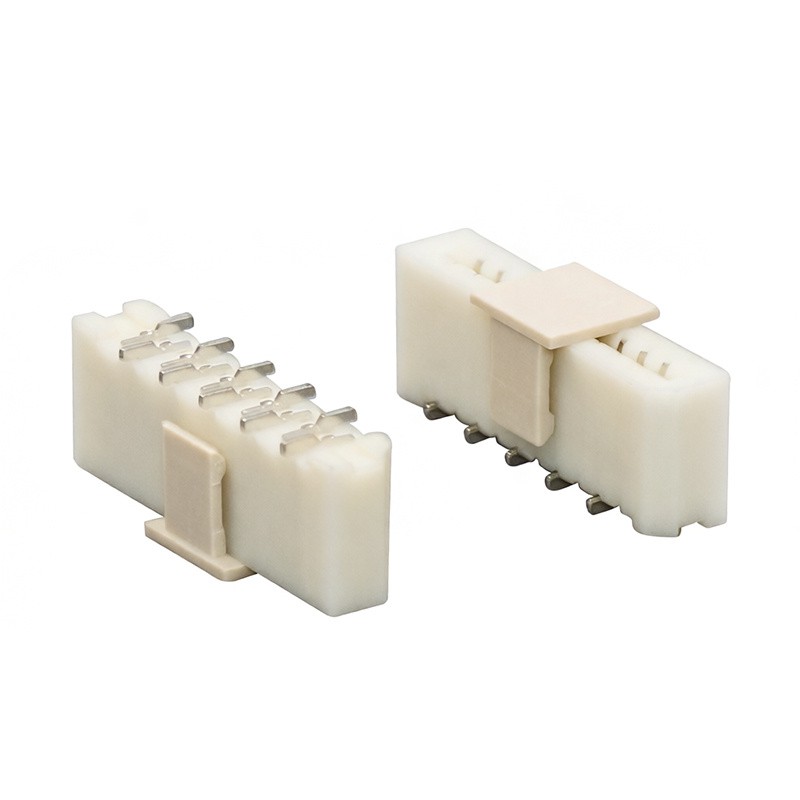
As a supplier of FPC To Wire Connectors, we offer a wide range of connectors with different contact forces to meet the needs of our customers. Our connectors are designed to provide a reliable electrical connection and are suitable for a variety of applications.
We also offer FPC Socket Connector and FPC Display Connector to meet the needs of our customers. Our connectors are made from high-quality materials and are manufactured using the latest technology to ensure a high level of quality and reliability.
Conclusion
Contact force is an important factor to consider when choosing an FPC To Wire Connector. It plays a key role in maintaining a reliable electrical connection and ensuring the proper operation of your electronic devices. By understanding the factors that affect contact force and choosing the right connector for your application, you can ensure that your electronic devices operate smoothly and reliably.
If you're interested in learning more about our FPC To Wire Connectors or other connector products, please visit our website at FPC To Wire Connector. We'd be happy to discuss your specific needs and help you choose the right connector for your application.
References
- "Connectors 101: Understanding Contact Force," Electronics Notes.
- "Contact Force in Electrical Connectors," Tech Briefs.
- "The Importance of Contact Force in FPC Connectors," Connector Supplier Magazine.