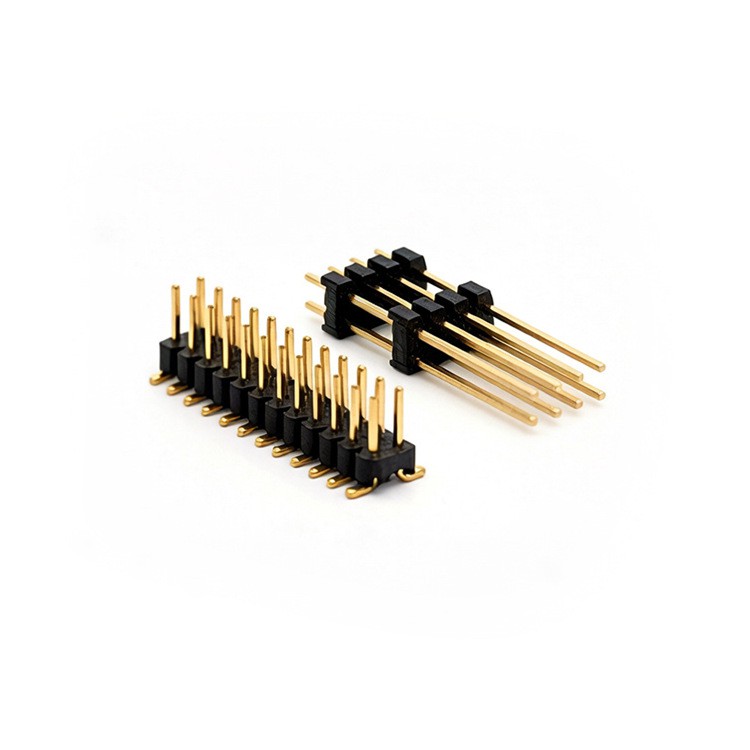
Hey there! As a supplier of wire-to-board connectors, I often get asked about the insertion loss of these nifty little components. So, I thought I'd take a deep dive into what insertion loss is, why it matters, and how it relates to our wire-to-board connectors.
First off, let's break down what insertion loss actually means. Insertion loss is basically the amount of signal power that's lost when a signal passes through a connector. Think of it like water flowing through a pipe. If there are any kinks or blockages in the pipe, some of the water's energy gets lost along the way. In the world of electronics, insertion loss is measured in decibels (dB), and a lower dB value means less signal loss.
Now, why does insertion loss matter? Well, in any electronic system, you want to ensure that the signal you're sending from one point to another arrives as intact as possible. High insertion loss can lead to a weakened signal, which can cause all sorts of problems, like data errors, reduced performance, and even system failures. So, it's crucial to minimize insertion loss to keep your electronic devices running smoothly.
When it comes to wire-to-board connectors, there are several factors that can affect insertion loss. One of the main factors is the design of the connector itself. A well-designed connector will have a low impedance, which helps to minimize signal loss. The materials used in the connector also play a big role. High-quality materials with good conductivity can reduce resistance and, in turn, lower insertion loss.
Another important factor is the mating process. If the connector isn't properly mated, it can create a poor electrical connection, leading to increased insertion loss. That's why it's essential to follow the manufacturer's guidelines when mating wire-to-board connectors to ensure a secure and reliable connection.
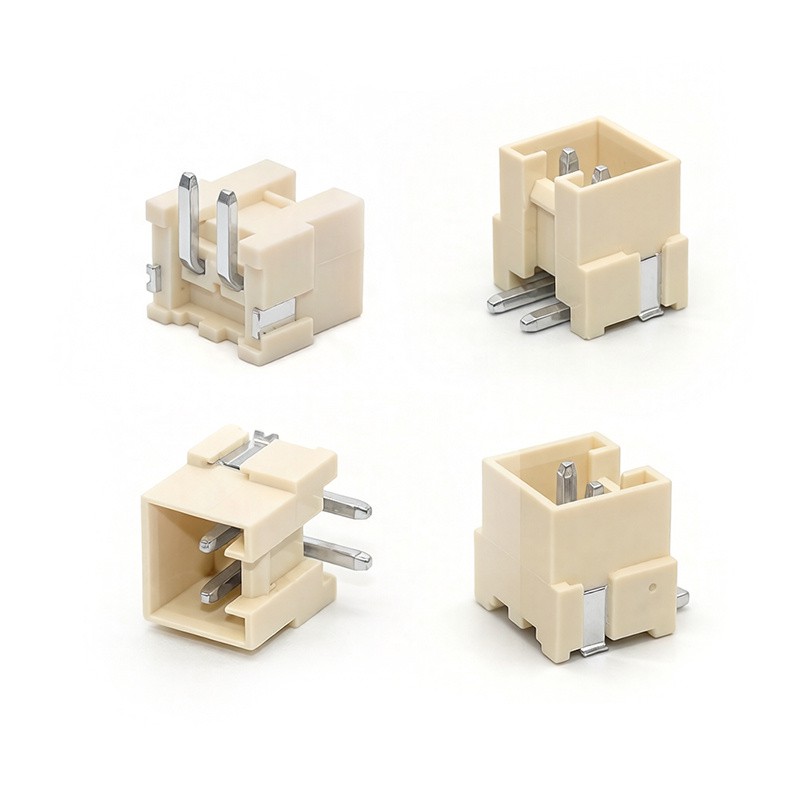
At our company, we're committed to providing wire-to-board connectors with low insertion loss. We use advanced design techniques and high-quality materials to minimize signal loss and ensure optimal performance. Our 2mm Pitch Wire To Board Connector is a great example. It's designed with a precise pitch and high-quality contacts to provide a low-impedance connection, resulting in minimal insertion loss.
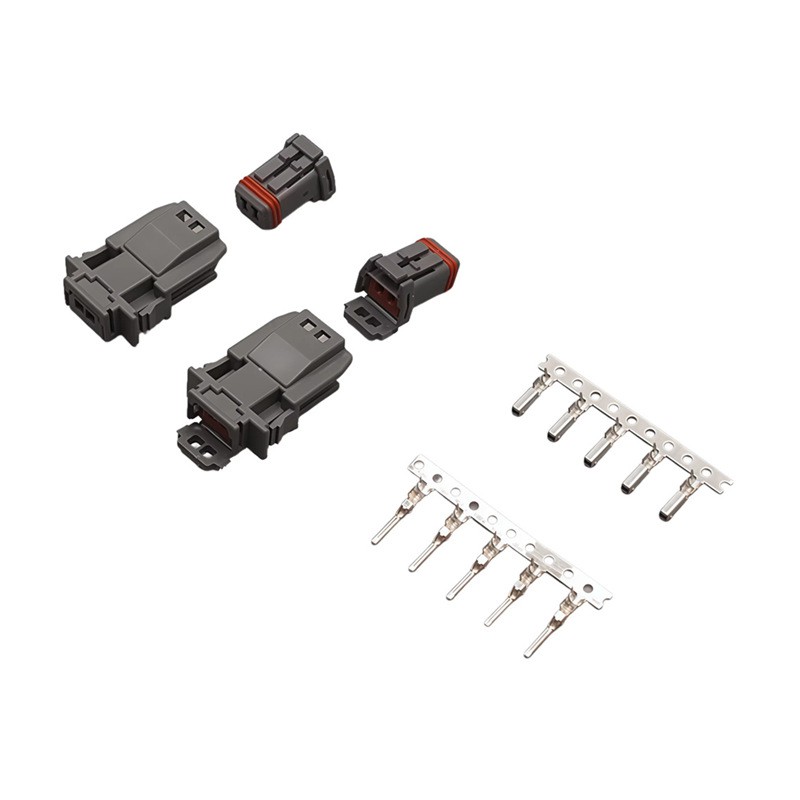
Our High Current Wire To Board Connector is another product that's engineered for low insertion loss. It's capable of handling high currents without sacrificing signal integrity, making it ideal for applications where power and performance are critical.
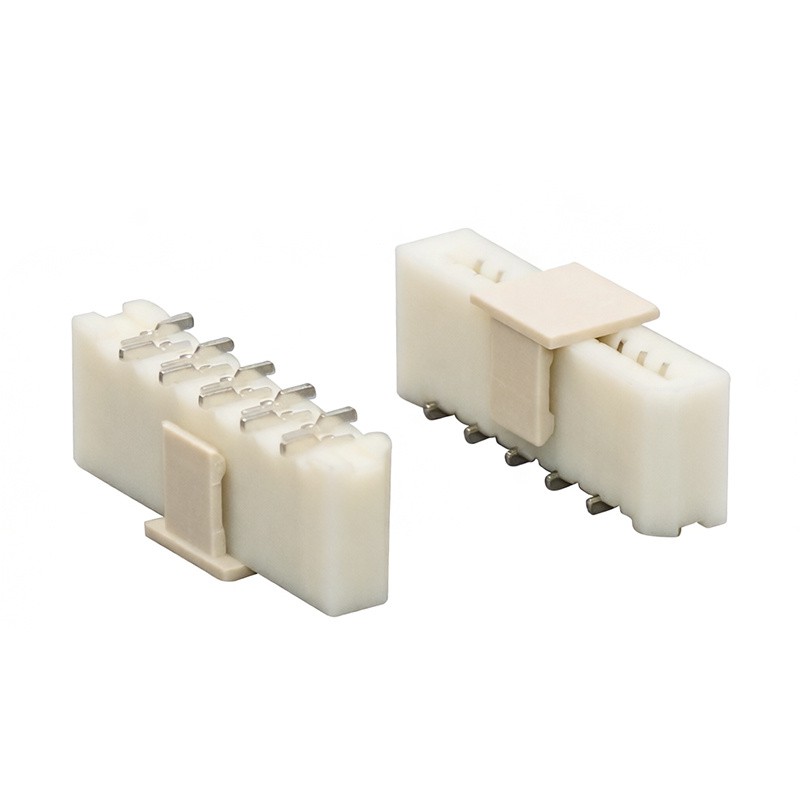
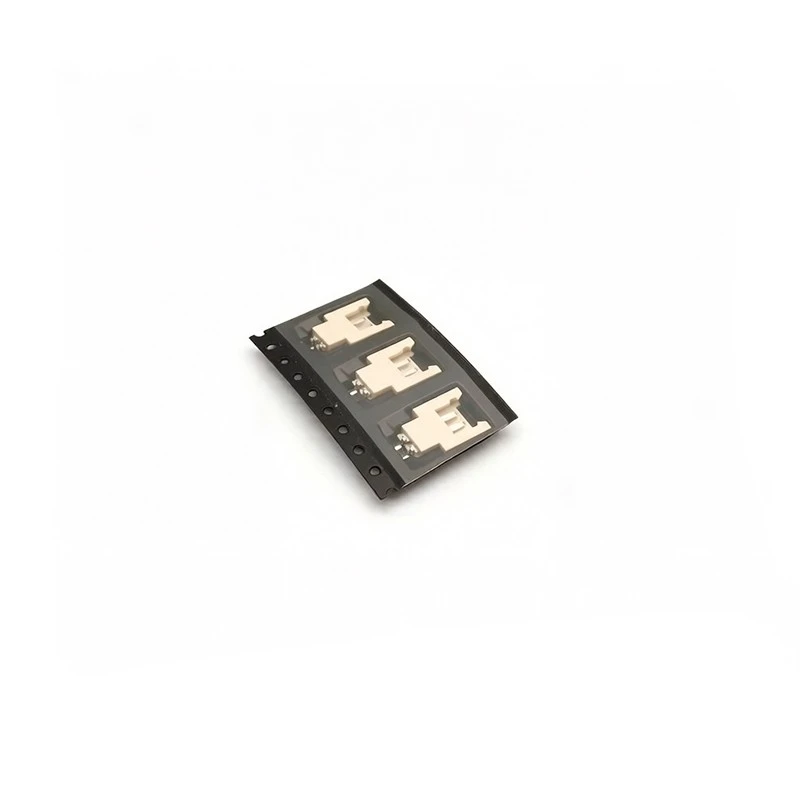
And if you're looking for a reliable and compact solution, our Jst Wire To Board connectors are a great choice. They're designed to provide a secure and stable connection, with low insertion loss to ensure reliable signal transmission.
So, how do you measure the insertion loss of a wire-to-board connector? Well, there are several methods, but one of the most common is to use a network analyzer. This device sends a signal through the connector and measures the amount of power that's lost. The results are then displayed in dB, giving you a clear indication of the connector's insertion loss.
It's important to note that insertion loss can vary depending on the frequency of the signal. In general, higher frequencies tend to have higher insertion loss. That's why it's crucial to choose a connector that's designed to work well at the specific frequency range of your application.
In addition to insertion loss, there are other factors to consider when choosing a wire-to-board connector, such as contact resistance, durability, and environmental resistance. At our company, we take all of these factors into account when designing and manufacturing our connectors to ensure that they meet the highest standards of quality and performance.
If you're in the market for wire-to-board connectors, I encourage you to reach out to us. We have a team of experts who can help you choose the right connector for your application and answer any questions you may have. Whether you're working on a small DIY project or a large-scale industrial application, we have the products and expertise to meet your needs.

In conclusion, insertion loss is an important factor to consider when choosing a wire-to-board connector. By understanding what it is, why it matters, and how to minimize it, you can ensure that your electronic devices operate at their best. At our company, we're dedicated to providing high-quality wire-to-board connectors with low insertion loss to help you achieve optimal performance. So, if you're looking for a reliable supplier of wire-to-board connectors, don't hesitate to contact us. We'd love to help you find the perfect solution for your project.
References:
- Electronic Connector Handbook
- Signal Integrity in High-Speed Digital Designs