Hey there! As a supplier of FPC Display Connectors, I get asked a lot about what materials are used to make these nifty little components. So, I thought I'd write this blog to give you the lowdown on all the materials involved.
First off, let's talk about the base materials. The most common material for the substrate of an FPC Display Connector is polyimide. Polyimide is a high-performance plastic that's known for its excellent thermal stability, chemical resistance, and mechanical properties. It can withstand high temperatures, which is crucial because electronic devices often generate a fair amount of heat. This means that the FPC Display Connector won't degrade easily under normal operating conditions.
Another important aspect is the conductor material. Copper is the go-to choice for the conductive traces in FPC Display Connectors. Copper is an excellent conductor of electricity, which is essential for transmitting signals between different parts of a device. It has low resistance, so it minimizes power loss during signal transmission. And it's also relatively easy to work with, allowing for precise patterning of the conductive traces.
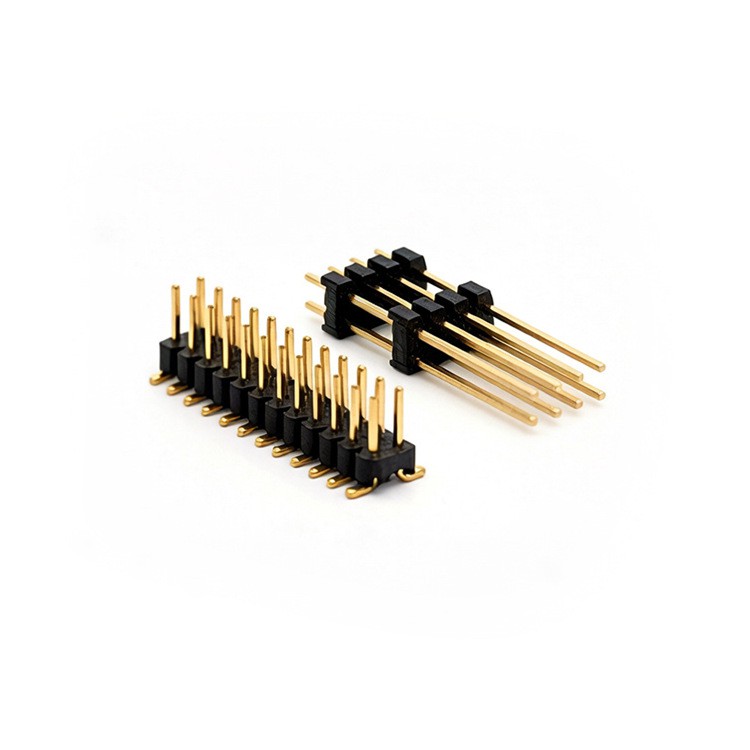
Now, when it comes to the contacts in the FPC Display Connector, there are a few different materials that can be used. Gold is a popular choice for the contact plating. Gold is highly corrosion-resistant and has excellent electrical conductivity. It forms a reliable connection with the FPC ribbon cable, ensuring a stable flow of signals. However, gold is quite expensive, so sometimes other materials like tin or nickel are used instead. Tin is more cost-effective and still provides good conductivity, while nickel offers good mechanical strength and corrosion resistance.
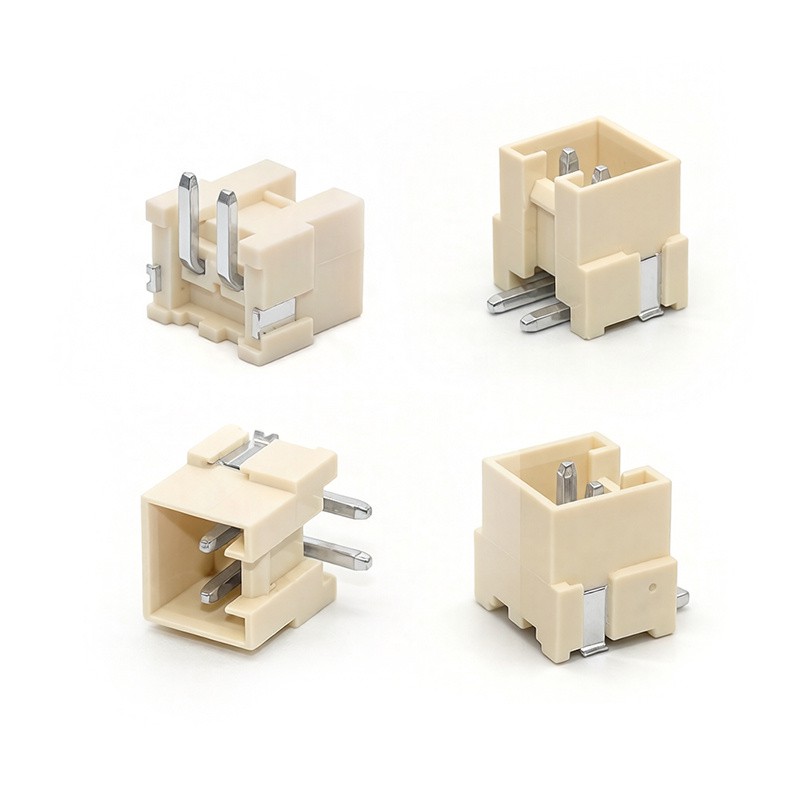
The housing of the FPC Display Connector is usually made of plastic. There are different types of plastics that can be used, such as liquid crystal polymer (LCP) or polybutylene terephthalate (PBT). These plastics are chosen for their good mechanical properties, such as high stiffness and dimensional stability. They also have good resistance to chemicals and heat, which helps to protect the internal components of the connector.
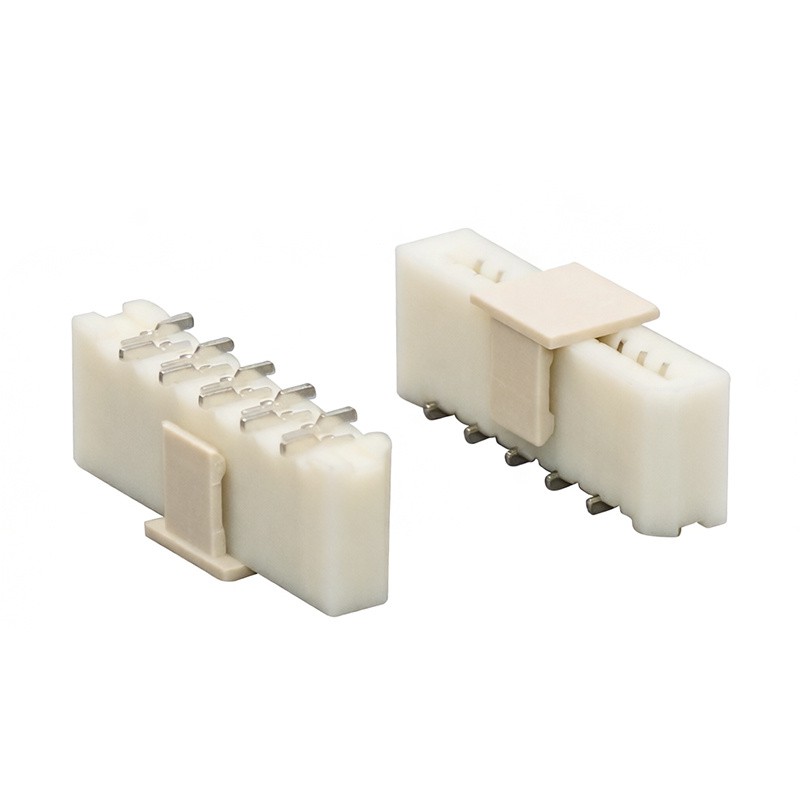
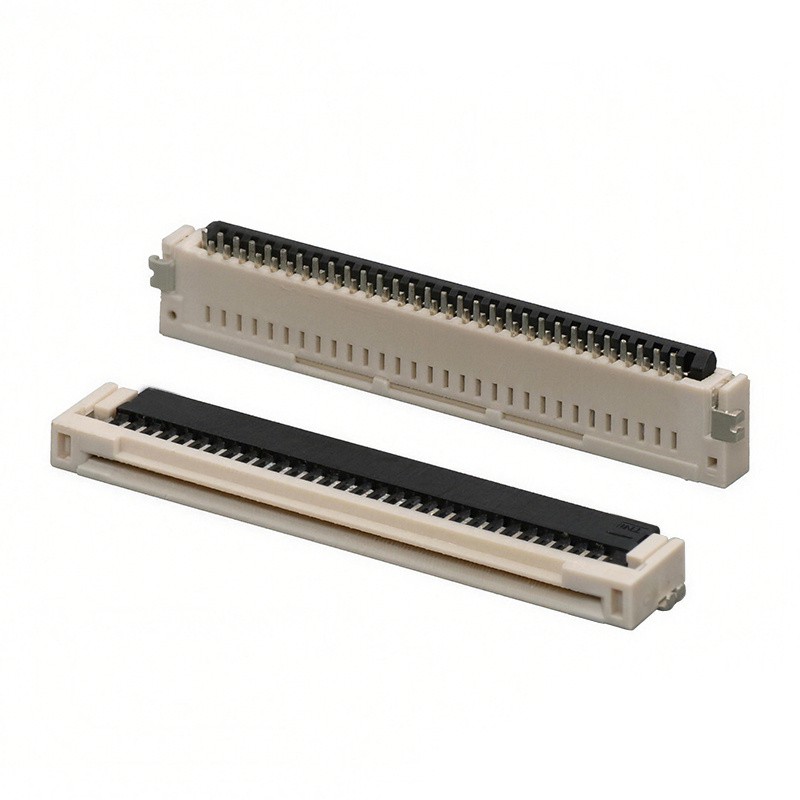
Let's take a closer look at some of the different types of FPC Display Connectors and the materials used in them. For example, the FPC Ribbon Cable Connector is designed to connect an FPC ribbon cable to a circuit board. The housing of this connector is typically made of plastic, while the contacts are often plated with gold or tin. The substrate of the FPC ribbon cable itself is usually polyimide, with copper conductive traces.
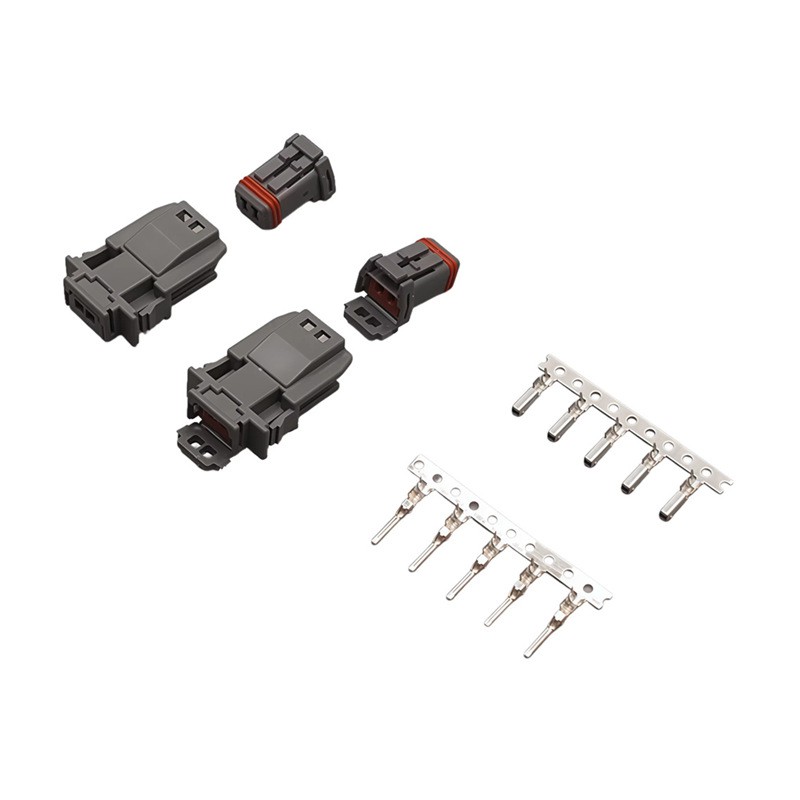
The FPC To Wire Connector is used to connect an FPC to a wire. This type of connector also has a plastic housing, and the contacts can be made of various materials depending on the application. The FPC part of the connector will have the usual polyimide substrate and copper traces, while the wire end may have a different type of insulation material.
Of course, the FPC Display Connector is specifically designed for connecting displays to other components in a device. It needs to be able to handle high-speed signal transmission and provide a reliable connection. The materials used in this type of connector are carefully chosen to ensure optimal performance. The substrate, conductor, and contact materials all play a crucial role in making sure that the display functions properly.
When it comes to manufacturing these FPC Display Connectors, precision is key. The materials need to be carefully selected and processed to ensure that the connectors meet the required specifications. For example, the conductive traces on the FPC need to be precisely patterned to ensure accurate signal transmission. The contacts need to be plated evenly to provide a reliable connection.
In addition to the materials themselves, the manufacturing process also affects the quality of the FPC Display Connectors. Different manufacturing techniques can be used, such as etching, electroplating, and molding. Each technique has its own advantages and disadvantages, and the choice of technique depends on the specific requirements of the connector.
So, why should you choose our FPC Display Connectors? Well, we use high-quality materials and state-of-the-art manufacturing processes to ensure that our connectors are reliable and perform well. We understand the importance of using the right materials to meet the needs of different applications. Whether you're working on a consumer electronics device, a medical device, or an automotive application, we have the right FPC Display Connector for you.
If you're interested in purchasing FPC Display Connectors, we'd love to have a chat with you. We can discuss your specific requirements and help you choose the right connector for your project. Don't hesitate to reach out and start a conversation with us. We're here to help you find the best solution for your needs.
References:


- Industry standards and specifications for FPC Display Connectors
- Technical literature on materials used in electronic connectors