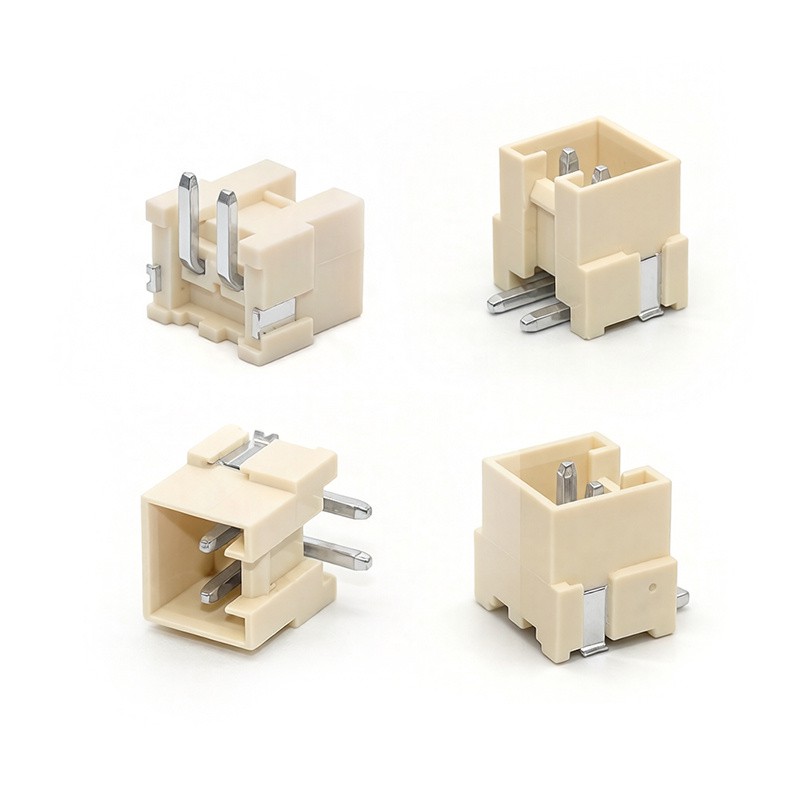
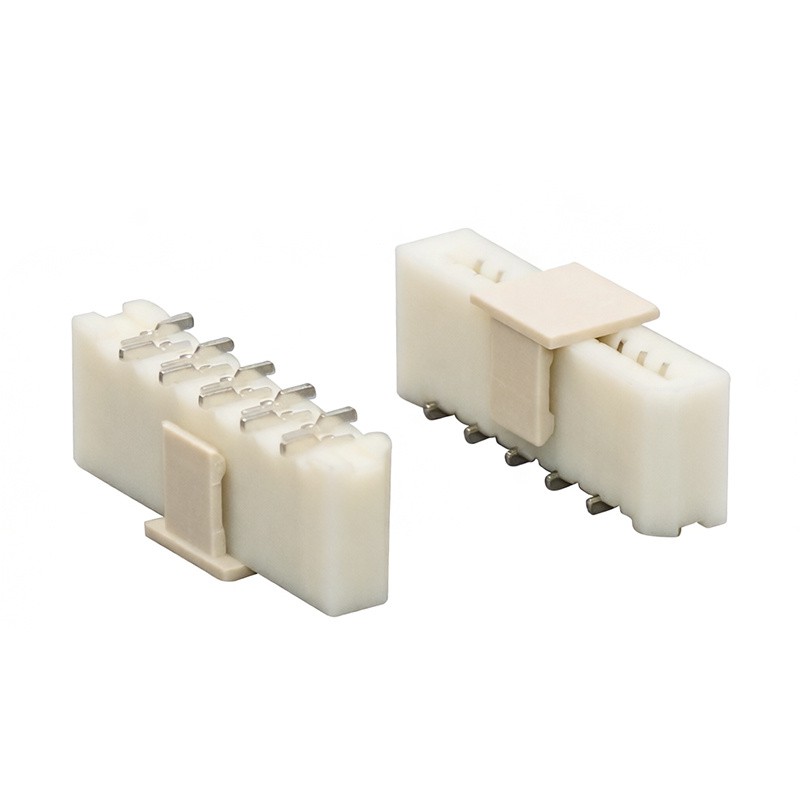
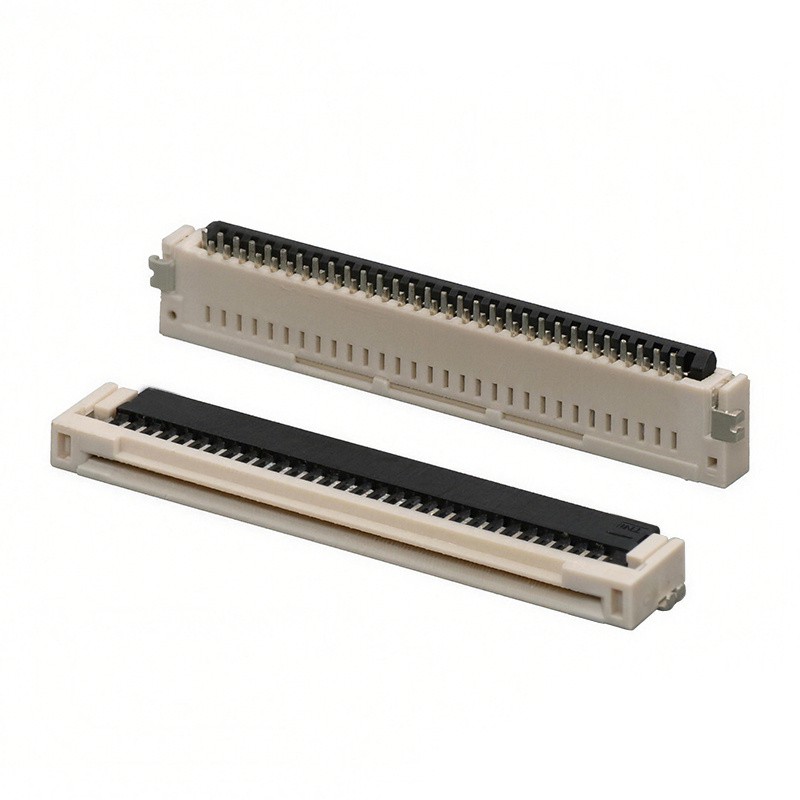
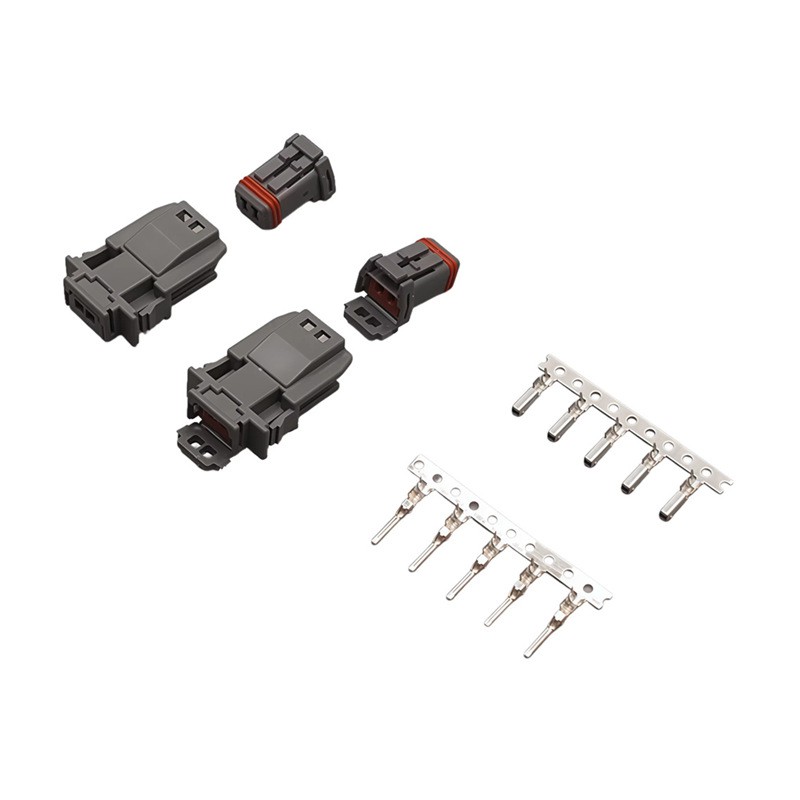
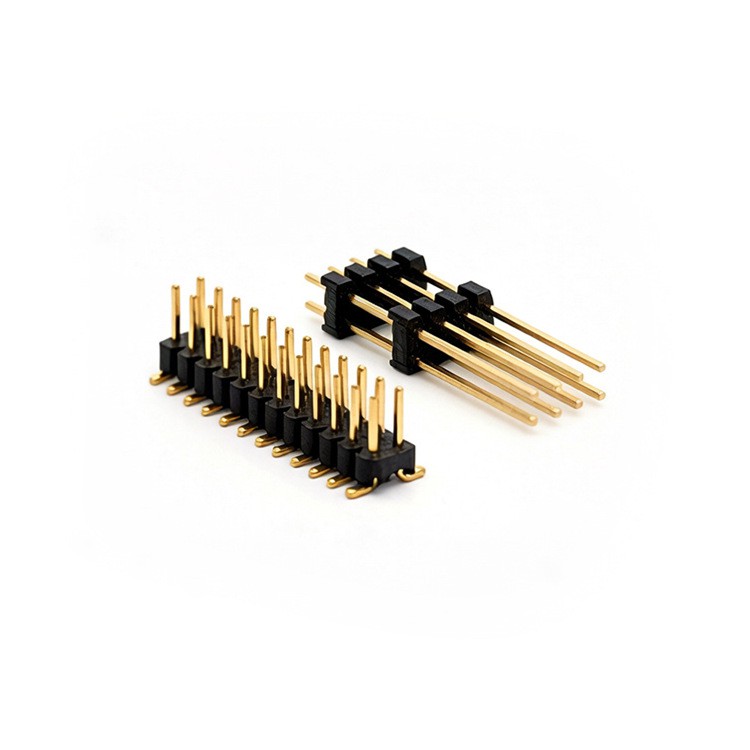
As a supplier of THR connectors, I often get asked about the electrical conductivity of these crucial components. In this blog, I'll delve into what electrical conductivity means for THR connectors, how it impacts their performance, and why it matters in various applications.
Understanding Electrical Conductivity
Electrical conductivity is a measure of a material's ability to conduct an electric current. It is the reciprocal of electrical resistivity. In the context of THR (Through-Hole Reflow) connectors, electrical conductivity is a key factor that determines how efficiently they can transmit electrical signals or power.
The conductivity of a THR connector is primarily influenced by the materials used in its construction. Common materials for connector contacts include copper, brass, and phosphor bronze, each with its own conductivity properties. Copper, for example, is known for its high electrical conductivity, making it a popular choice for connectors where low resistance and high current-carrying capacity are required.
Factors Affecting the Electrical Conductivity of THR Connectors
- Material Purity: The purity of the metal used in the connector contacts has a significant impact on conductivity. Higher purity metals generally have lower resistivity and, therefore, higher conductivity. For instance, oxygen-free copper (OFC) is often used in high-performance connectors due to its high purity and excellent electrical properties.
- Surface Finish: The surface finish of the connector contacts can also affect conductivity. A smooth, clean surface reduces contact resistance and improves the flow of electrical current. Common surface finishes for THR connectors include gold plating, tin plating, and silver plating. Gold plating, in particular, is known for its excellent corrosion resistance and low contact resistance, making it a popular choice for high-reliability applications.
- Contact Design: The design of the connector contacts plays a crucial role in determining conductivity. A well-designed contact ensures a reliable electrical connection by providing sufficient contact force and minimizing resistance. Factors such as contact geometry, mating force, and the number of contact points can all impact the conductivity of the connector.
Importance of Electrical Conductivity in THR Connectors
- Signal Integrity: In applications where high-speed data transmission is required, such as in telecommunications and computer systems, the electrical conductivity of the THR connector is critical for maintaining signal integrity. A connector with low conductivity can cause signal loss, distortion, and interference, leading to data errors and reduced system performance.
- Power Transmission: For applications that involve power delivery, such as in power supplies and automotive electronics, the electrical conductivity of the THR connector is essential for efficient power transfer. A connector with high conductivity can minimize power losses and ensure that the electrical system operates at optimal efficiency.
- Reliability: The electrical conductivity of a THR connector also affects its reliability over time. A connector with low conductivity is more likely to experience overheating, which can lead to premature failure and reduced lifespan. By using connectors with high conductivity, you can improve the reliability and durability of your electrical systems.
Applications of THR Connectors with High Electrical Conductivity
- Telecommunications: In the telecommunications industry, THR connectors are used in a variety of applications, including network switches, routers, and fiber optic communication systems. High electrical conductivity is essential for these applications to ensure reliable data transmission and minimize signal loss.
- Automotive Electronics: THR connectors are widely used in automotive electronics, such as engine control units, infotainment systems, and lighting systems. The high electrical conductivity of these connectors is crucial for efficient power delivery and reliable operation in harsh automotive environments.
- Consumer Electronics: In consumer electronics, THR connectors are used in devices such as smartphones, tablets, and laptops. High electrical conductivity is important for these applications to ensure fast charging, reliable data transfer, and optimal performance.
Conclusion
The electrical conductivity of a THR connector is a critical factor that impacts its performance, reliability, and suitability for various applications. As a supplier of THR connectors, we understand the importance of providing high-quality connectors with excellent electrical conductivity. Our connectors are made from high-purity materials and feature advanced surface finishes and contact designs to ensure optimal performance and reliability.
If you're in the market for THR connectors with high electrical conductivity, we invite you to explore our product range. You can find more information about our Micro Electrical Connectors, Common Electronic Connectors, and New Electrical Connectors on our website. Whether you need connectors for telecommunications, automotive electronics, or consumer electronics, we have the solutions to meet your needs.
Contact us today to discuss your specific requirements and explore how our THR connectors can enhance the performance and reliability of your electrical systems.


References
- Grover, A. S. (2000). Electrical Machines. New Age International.
- Nilsson, J. W., & Riedel, S. A. (2019). Electric Circuits. Pearson.
- Dorf, R. C., & Bishop, R. H. (2017). Introduction to Electric Circuits. Wiley.