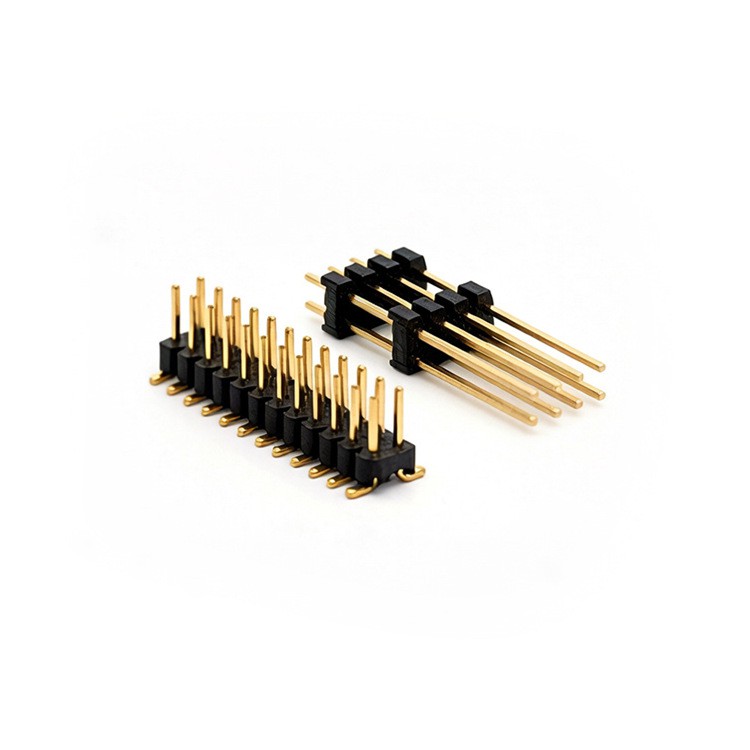
In the world of electronic components, shrouded header connectors play a pivotal role. As a supplier of shrouded header connectors, I've had the privilege of witnessing the intricate details and technical nuances that make these connectors essential in various electronic applications. One of the most critical aspects that often gets overlooked but is of utmost importance is the unmating force of a shrouded header connector.
Understanding the Basics of Shrouded Header Connectors
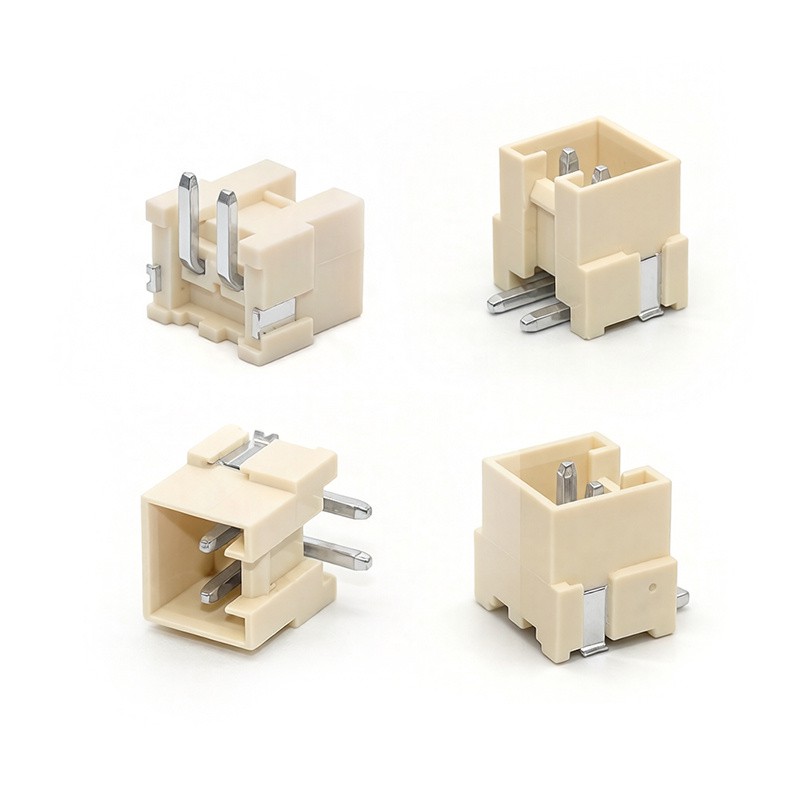
Before delving into the unmating force, let's briefly understand what shrouded header connectors are. Shrouded header connectors are a type of electrical connector that features a protective shroud around the pins. This shroud serves multiple purposes, including preventing accidental short - circuits, protecting the pins from physical damage, and guiding the mating process. They are widely used in a variety of electronic devices, from consumer electronics to industrial machinery.
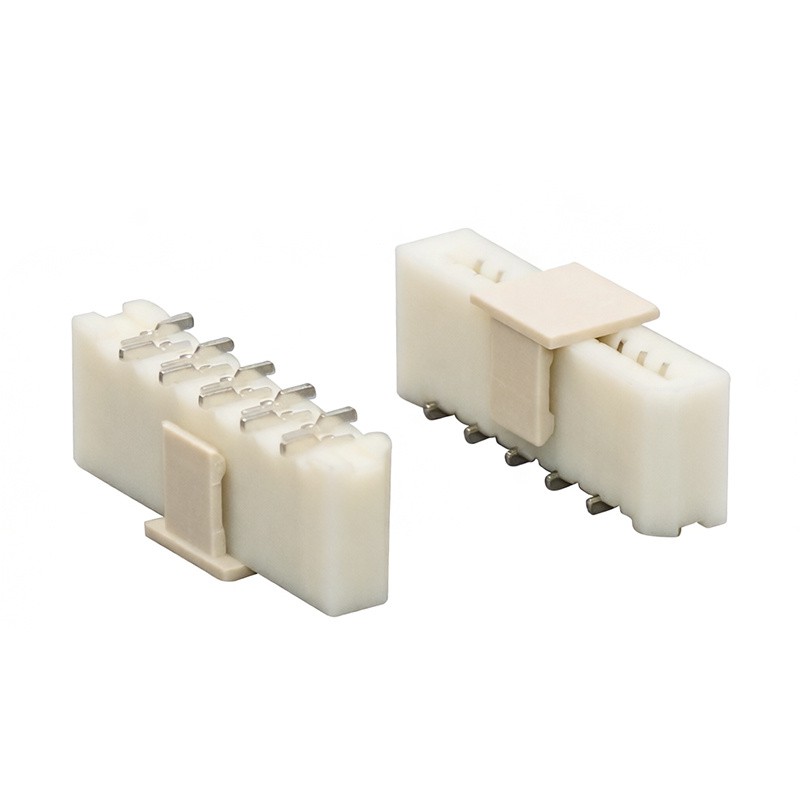
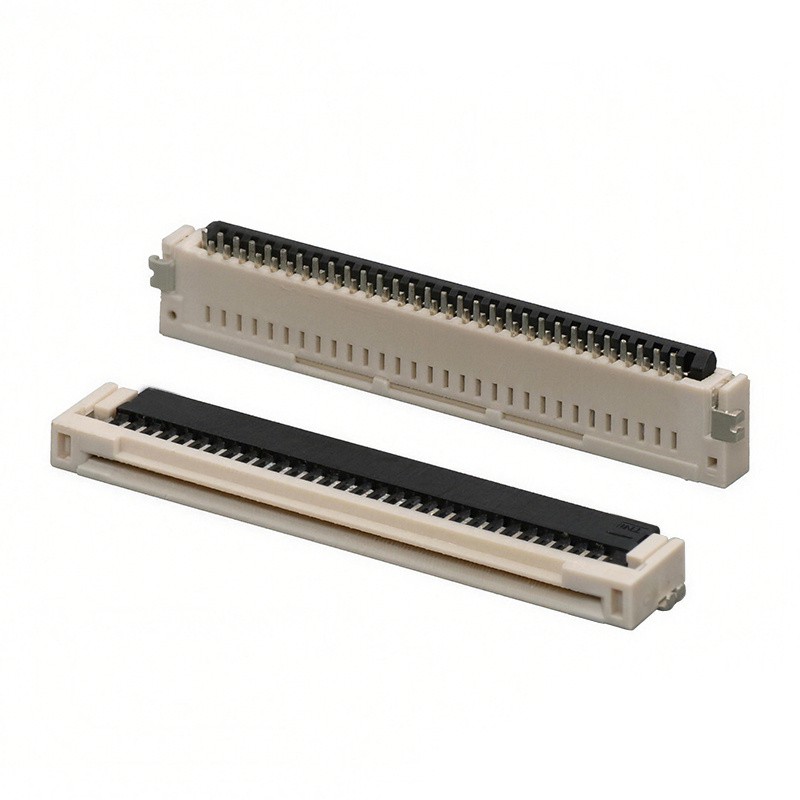
Shrouded header connectors come in different configurations, such as single - row and double - row, and are available in various pin counts. They can be used for power distribution, signal transmission, and other electrical functions. For more information on shrouded header connectors, you can visit Shrouded Header Connector.


What is Unmating Force?
The unmating force of a shrouded header connector refers to the amount of force required to separate the mated connector halves. It is a crucial parameter that impacts the usability, reliability, and longevity of the connector. A proper understanding of the unmating force is essential for both the designer and the end - user of the electronic device.
There are several factors that influence the unmating force of a shrouded header connector. One of the primary factors is the contact design. The shape, material, and surface finish of the contacts can significantly affect the friction between the mated connectors. For example, contacts with a high - quality surface finish will have lower friction, resulting in a lower unmating force.
Another important factor is the contact force. The contact force is the force that holds the two connector halves together when they are mated. A higher contact force generally results in a higher unmating force. However, a proper balance must be struck. If the contact force is too low, the connection may be unreliable, leading to intermittent electrical connections. On the other hand, if the contact force is too high, the unmating force will be excessive, making it difficult to separate the connectors.
The number of pins in the connector also plays a role in determining the unmating force. As the number of pins increases, the total unmating force required to separate the connectors also increases. This is because each pin contributes to the overall friction and contact force.
Measuring the Unmating Force
Measuring the unmating force of a shrouded header connector is a precise process. Specialized testing equipment is used to apply a controlled force to separate the mated connectors. The force is gradually increased until the connectors are completely separated, and the maximum force applied is recorded as the unmating force.
It is important to note that the unmating force can vary depending on the testing conditions. Factors such as the temperature, humidity, and the number of mating and unmating cycles can all affect the measured unmating force. For example, in a high - humidity environment, the presence of moisture can increase the friction between the contacts, resulting in a higher unmating force.
Importance of the Right Unmating Force
Having the right unmating force is crucial for several reasons. Firstly, it ensures the ease of use. If the unmating force is too high, it can be difficult for the user to separate the connectors, especially in applications where frequent mating and unmating are required. This can lead to user frustration and even damage to the connectors or the electronic device.
Secondly, the unmating force affects the reliability of the connection. A proper unmating force indicates that the contact force is appropriate, which means that the electrical connection is stable. A stable electrical connection is essential for the proper functioning of the electronic device.
In addition, the unmating force can impact the lifespan of the connector. Excessive unmating force can cause wear and tear on the contacts, leading to premature failure of the connector. On the other hand, a very low unmating force may indicate a weak connection, which can also lead to reliability issues over time.
Applications and Considerations
Shrouded header connectors are used in a wide range of applications, each with its own specific requirements for unmating force. In consumer electronics, such as smartphones and laptops, a relatively low unmating force is often preferred to ensure ease of use. These devices are frequently opened and closed for maintenance or upgrades, so a low unmating force makes the process more convenient.
In industrial applications, the requirements may be different. Industrial machinery often operates in harsh environments and may require a higher unmating force to ensure a secure connection. The connectors need to withstand vibrations, shocks, and other mechanical stresses without coming loose.
When selecting a shrouded header connector for a particular application, it is important to consider the unmating force requirements. Designers should work closely with the connector supplier to ensure that the chosen connector meets the specific needs of the application.
Other Types of Header Connectors
In addition to shrouded header connectors, there are other types of header connectors available in the market. Jumper Header Connector is a type of connector that is used to make temporary or permanent electrical connections. It is often used for configuration purposes in electronic circuits.
Right Angle Header Connector is another type of connector that is designed to provide a right - angled connection. This type of connector is useful in applications where space is limited or where the orientation of the connection needs to be changed.
Conclusion
The unmating force of a shrouded header connector is a critical parameter that affects the usability, reliability, and lifespan of the connector. As a supplier of shrouded header connectors, we understand the importance of providing connectors with the right unmating force for different applications.
If you are in the market for high - quality shrouded header connectors or have specific requirements regarding unmating force, we invite you to contact us for a detailed discussion. Our team of experts is ready to assist you in selecting the most suitable connector for your needs.
References
- "Connectors in Electronics", John Wiley & Sons
- "Handbook of Electrical Contacts", CRC Press