Hey there! As a supplier of Low Profile Header Connectors, I've seen my fair share of issues when it comes to these little but crucial components. In this blog, I'll walk you through how to troubleshoot Low Profile Header Connectors, so you can keep your electronic devices running smoothly.
Understanding Low Profile Header Connectors
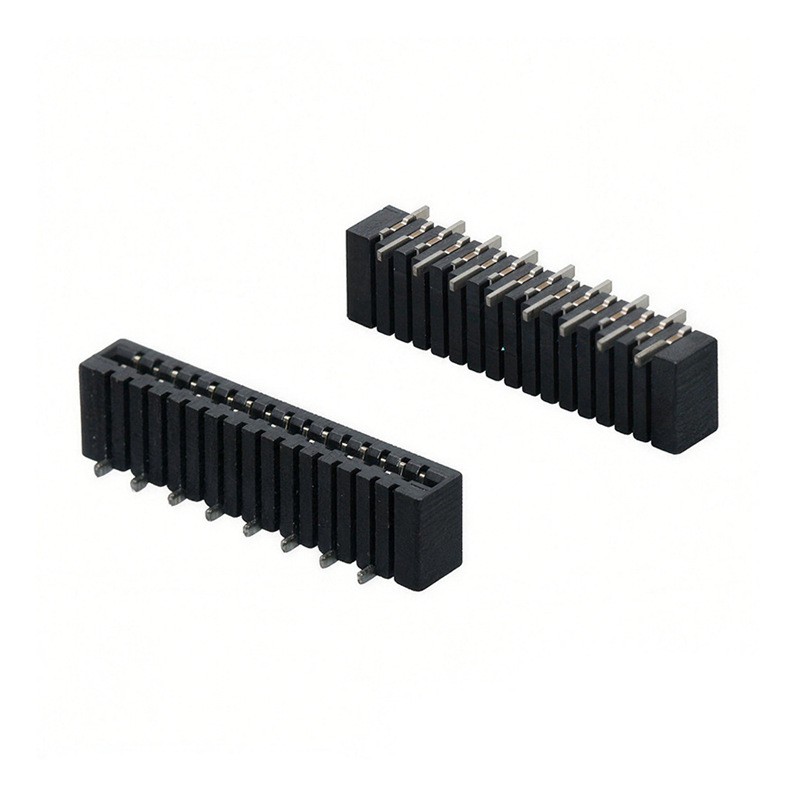
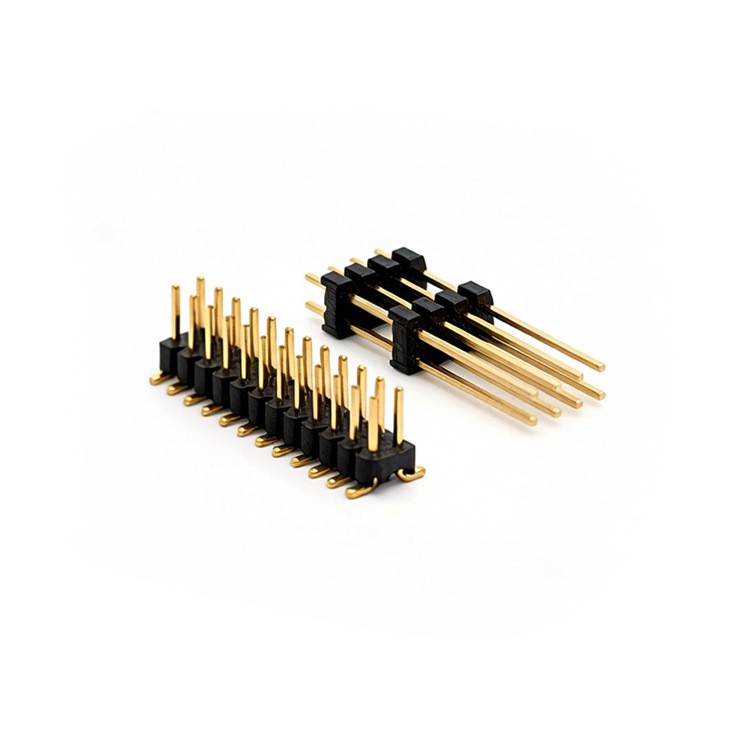
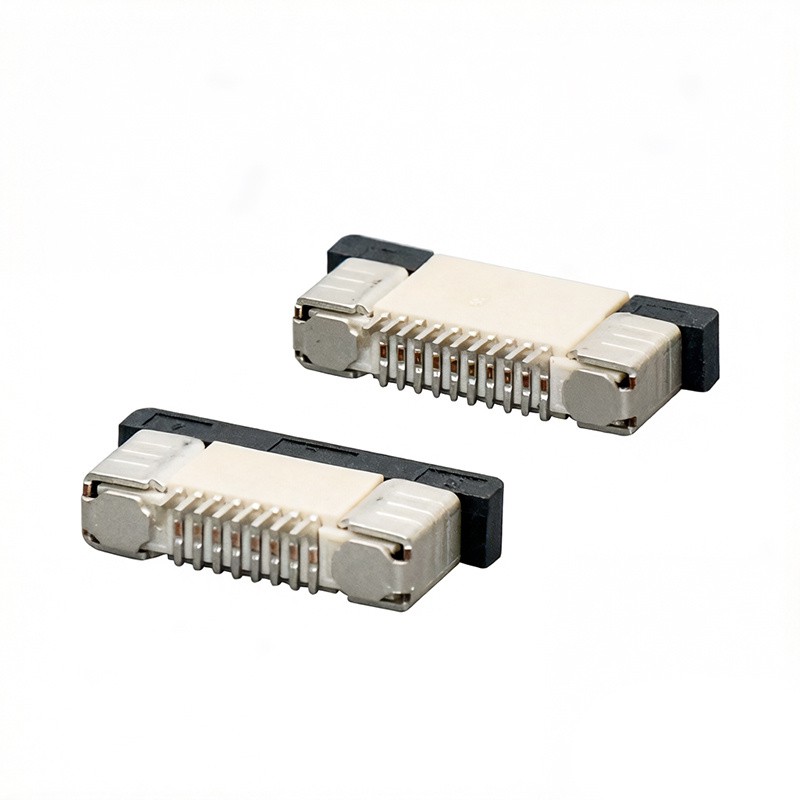
First things first, let's quickly go over what Low Profile Header Connectors are. These connectors are designed to have a low height, which makes them ideal for applications where space is limited. They're commonly used in a variety of electronic devices, from laptops and tablets to industrial control systems.
There are different types of header connectors, such as Jumper Header Connector, Shrouded Header Connector, and Right Angle Header Connector. Each type has its own unique features and applications, but they all serve the same basic purpose: to provide a reliable electrical connection between different components.
Common Issues with Low Profile Header Connectors
Now, let's talk about some of the common problems you might encounter with Low Profile Header Connectors.
1. Poor Electrical Connection
One of the most common issues is a poor electrical connection. This can be caused by a variety of factors, such as loose pins, corrosion, or dirt and debris on the connector. When the electrical connection is poor, you might experience intermittent or no signal transmission, which can lead to malfunctions in your device.
2. Bent or Damaged Pins
Another common problem is bent or damaged pins. This can happen during installation or handling, and it can prevent the connector from making a proper connection. Bent pins can also cause short circuits, which can damage your device.
3. Incorrect Installation
Incorrect installation is also a frequent issue. If the connector is not properly aligned or seated, it can lead to a poor connection or even damage to the connector or the device.
Troubleshooting Steps
So, how do you troubleshoot these issues? Here are some steps you can take:
1. Visual Inspection
The first step is to perform a visual inspection of the connector. Look for any signs of damage, such as bent or broken pins, corrosion, or dirt and debris. If you see any issues, you can try to clean the connector or replace the damaged parts.
2. Check the Connection
Next, check the connection between the connector and the device. Make sure the connector is properly aligned and seated. You can try gently wiggling the connector to see if the connection improves. If the connection is still poor, you might need to replace the connector.
3. Clean the Connector
If the connector is dirty or corroded, you can try cleaning it. You can use a soft brush or a cotton swab to remove any dirt or debris. You can also use a contact cleaner to remove any corrosion. Make sure to follow the manufacturer's instructions when using a contact cleaner.
4. Replace the Connector
If the connector is damaged or cannot be repaired, you might need to replace it. Make sure to choose a connector that is compatible with your device. You can consult the device's manual or contact the manufacturer for more information.
Tips for Preventing Issues
To prevent issues with Low Profile Header Connectors, here are some tips:
1. Handle with Care
When handling the connector, make sure to be gentle. Avoid bending or damaging the pins. You can also use a proper tool to install and remove the connector.
2. Keep the Connector Clean
Regularly clean the connector to prevent dirt and debris from accumulating. You can use a soft brush or a cotton swab to clean the connector.
3. Use the Right Connector
Make sure to use the right connector for your device. Using the wrong connector can lead to poor connections or even damage to the device.
Conclusion
Troubleshooting Low Profile Header Connectors can be a bit tricky, but with the right knowledge and tools, you can easily identify and fix the issues. By following the steps and tips outlined in this blog, you can keep your electronic devices running smoothly and avoid costly repairs.


If you're in the market for Low Profile Header Connectors or have any questions about troubleshooting, feel free to reach out. We're here to help you find the right solutions for your needs.
References
- Electronic Connector Handbook
- Manufacturer's documentation for Low Profile Header Connectors