Can wire to wire plug connectors be reused? This is a question that many people in the electronics industry often ask. As a supplier of Wire To Wire Plug Connectors, I have encountered this question numerous times from our customers. In this blog, I will explore the factors that determine whether wire to wire plug connectors can be reused and provide some insights based on our experience in the industry.
Understanding Wire To Wire Plug Connectors
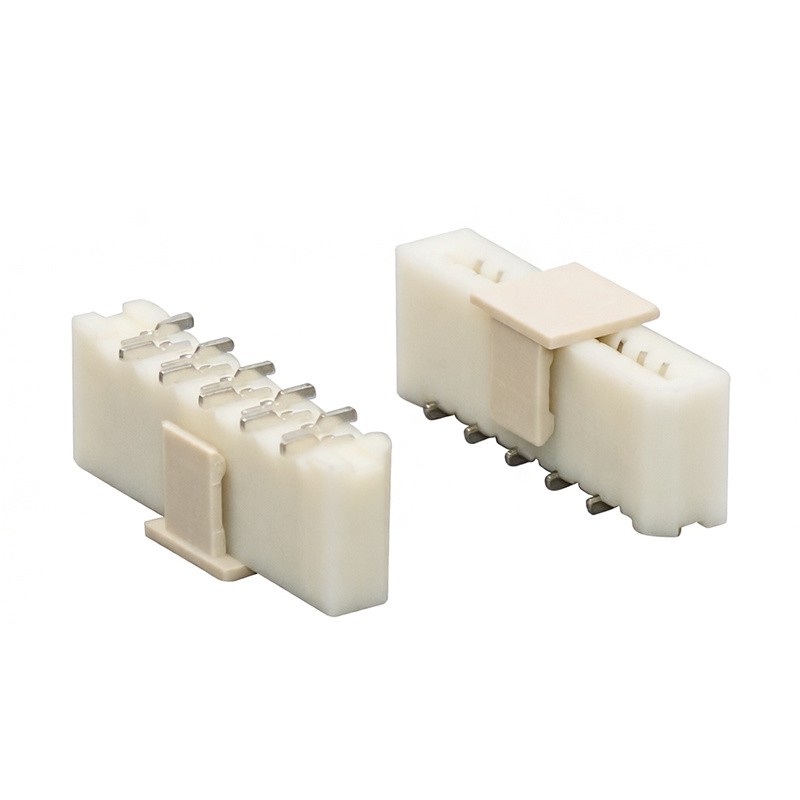
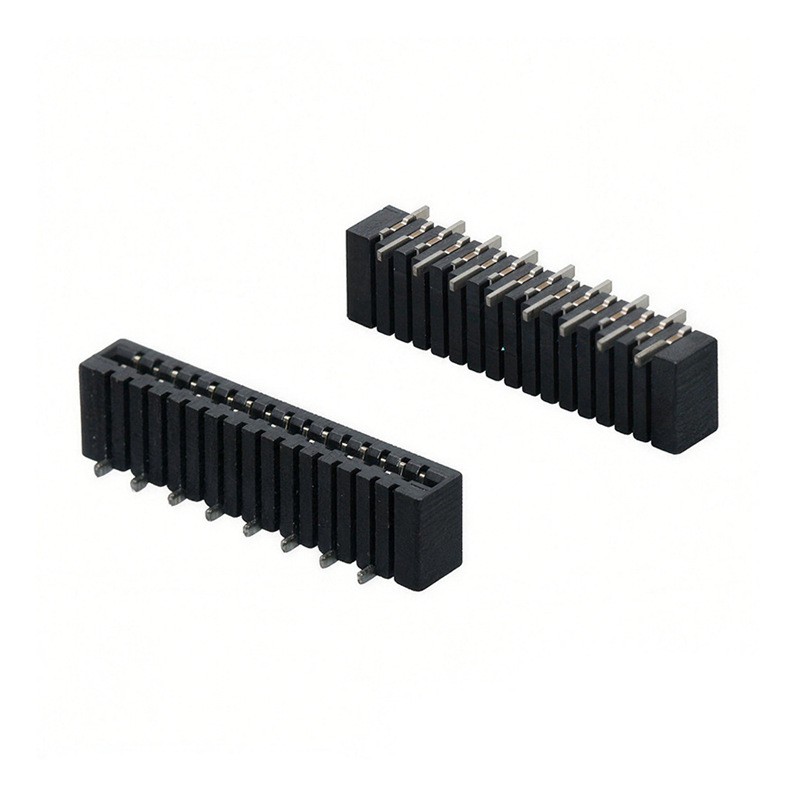
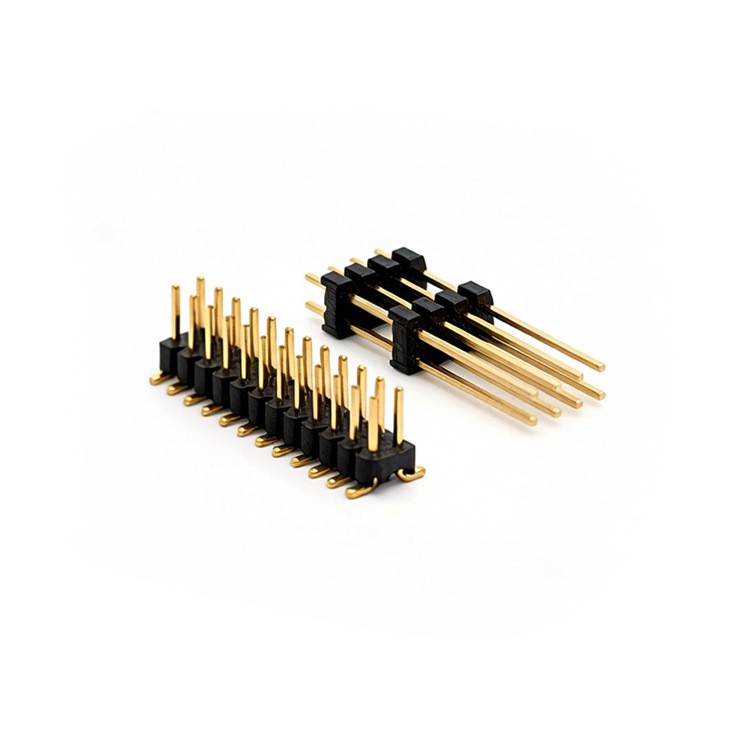
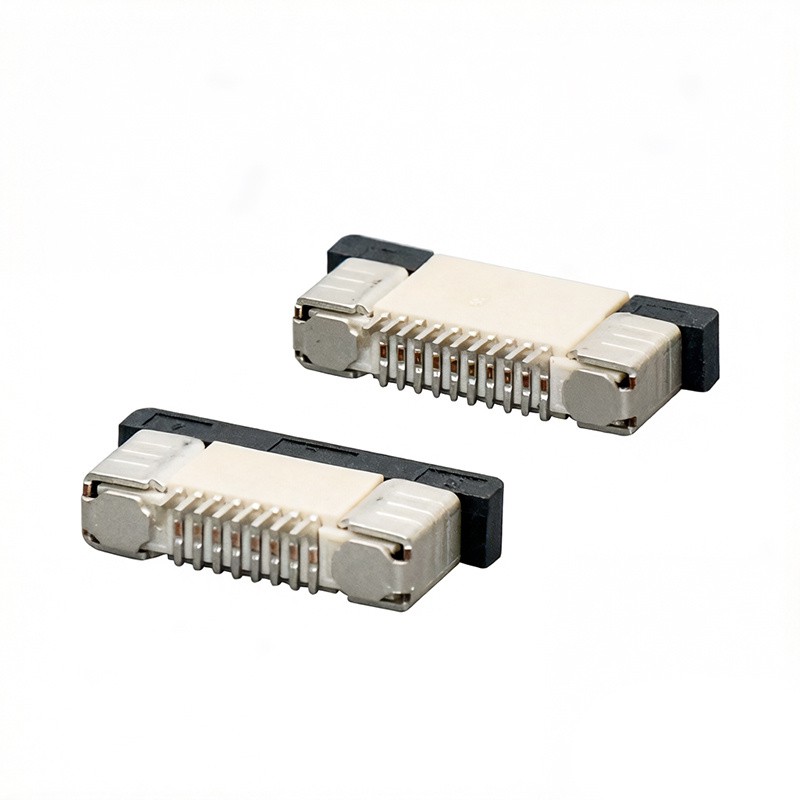
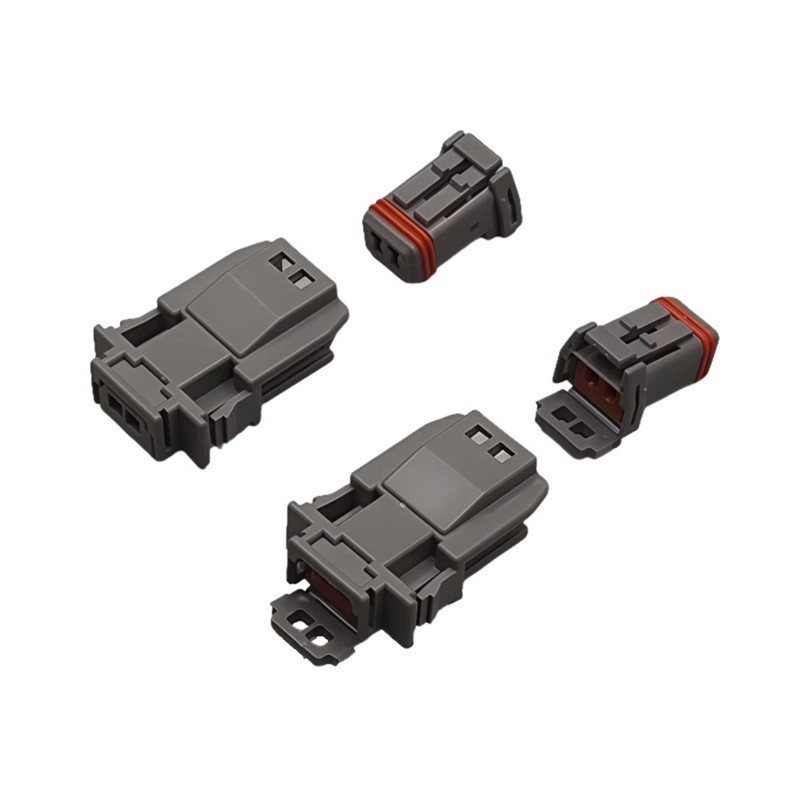
Wire to wire plug connectors are essential components in electrical and electronic systems. They are used to connect two or more wires together, allowing for the transfer of electrical signals or power. These connectors come in various types, sizes, and configurations to meet different application requirements. Some common types include Waterproof Wire To Wire Connector, which are designed to provide protection against moisture and other environmental factors, and Connector Wire To Wire, which are used for general-purpose wire connections.
Factors Affecting Reusability
Physical Condition
The physical condition of the wire to wire plug connectors is a crucial factor in determining their reusability. If the connectors have been damaged, such as having bent pins, cracked housings, or loose contacts, they may not be suitable for reuse. Physical damage can lead to poor electrical connections, which can cause signal loss, power fluctuations, or even system failures. Therefore, it is important to inspect the connectors carefully before attempting to reuse them.

Wear and Tear
Over time, wire to wire plug connectors can experience wear and tear due to repeated mating and unmating. This can cause the contacts to become worn, which can affect the electrical conductivity of the connectors. Additionally, the plastic housings of the connectors can become brittle or cracked, which can compromise their mechanical integrity. If the wear and tear are significant, it may be necessary to replace the connectors rather than reuse them.
Environmental Factors
The environment in which the wire to wire plug connectors are used can also affect their reusability. For example, if the connectors are exposed to high temperatures, humidity, or corrosive substances, they may be more prone to damage and degradation. In such cases, it may be necessary to replace the connectors to ensure reliable performance.
Compatibility
Another important factor to consider is the compatibility of the wire to wire plug connectors with the specific application. Different applications may require different types of connectors, and using the wrong type of connector can lead to poor performance or even safety hazards. Therefore, it is important to ensure that the connectors are compatible with the wires, devices, and systems they are intended to connect.
Advantages of Reusing Wire To Wire Plug Connectors
Cost Savings
One of the main advantages of reusing wire to wire plug connectors is cost savings. Replacing connectors can be expensive, especially if they are high-quality or specialized connectors. By reusing the connectors, you can reduce the cost of your electrical and electronic systems.
Environmental Benefits
Reusing wire to wire plug connectors also has environmental benefits. By reducing the demand for new connectors, you can help to conserve natural resources and reduce waste. Additionally, reusing connectors can help to reduce the carbon footprint associated with the production and disposal of new connectors.
Convenience
Reusing wire to wire plug connectors can also be more convenient than replacing them. If you have a large number of connectors that need to be replaced, it can be time-consuming and labor-intensive. By reusing the connectors, you can save time and effort.
Disadvantages of Reusing Wire To Wire Plug Connectors
Risk of Failure
One of the main disadvantages of reusing wire to wire plug connectors is the risk of failure. As mentioned earlier, connectors can experience wear and tear over time, which can lead to poor electrical connections and system failures. If a connector fails, it can cause downtime, damage to equipment, or even safety hazards.
Compatibility Issues
Another potential disadvantage of reusing wire to wire plug connectors is compatibility issues. If the connectors are not compatible with the wires, devices, or systems they are intended to connect, they may not work properly or may cause damage to the equipment.
Limited Lifespan
Even if the wire to wire plug connectors are in good condition, they still have a limited lifespan. Over time, the contacts may become worn, the plastic housings may become brittle, and the connectors may lose their ability to provide a reliable electrical connection. Therefore, it is important to monitor the condition of the connectors and replace them when necessary.
Tips for Reusing Wire To Wire Plug Connectors
Inspect the Connectors
Before reusing wire to wire plug connectors, it is important to inspect them carefully for any signs of damage or wear. Look for bent pins, cracked housings, loose contacts, or other visible signs of damage. If the connectors are damaged, they should not be reused.
Clean the Connectors
If the connectors are dirty or contaminated, they should be cleaned before reuse. Use a clean, dry cloth or a specialized cleaning solution to remove any dirt, debris, or oxidation from the contacts. This can help to improve the electrical conductivity of the connectors and reduce the risk of failure.
Test the Connectors
After cleaning the connectors, it is important to test them to ensure that they are working properly. Use a multimeter or other testing equipment to check the electrical continuity of the connectors. If the connectors do not pass the test, they should not be reused.
Store the Connectors Properly
When not in use, wire to wire plug connectors should be stored in a clean, dry environment. Avoid storing the connectors in areas where they may be exposed to moisture, dust, or other contaminants. Additionally, it is important to store the connectors in a way that prevents them from being damaged or deformed.
Conclusion
In conclusion, wire to wire plug connectors can be reused in some cases, but it is important to consider the factors that affect their reusability. The physical condition, wear and tear, environmental factors, and compatibility of the connectors all play a role in determining whether they can be reused. By inspecting, cleaning, testing, and storing the connectors properly, you can increase the likelihood of successful reuse. However, it is important to note that reusing connectors also carries some risks, such as the risk of failure and compatibility issues. Therefore, it is important to weigh the advantages and disadvantages of reusing connectors before making a decision.
If you are interested in purchasing Wire To Wire Plug Connectors or have any questions about their reusability, please feel free to contact us. Our team of experts is always available to provide you with the information and support you need.
References
- "Electrical Connector Handbook," by Ronald B. Standley
- "Connectors for Electronic Applications," by Klaus Baur and Horst Mühldorf