Is a THR Connector Waterproof?
As a supplier of THR (Through-Hole Reflow) connectors, I often get asked about the waterproof capabilities of these connectors. In this blog, we'll delve into the topic to provide you with a comprehensive understanding of whether THR connectors are waterproof, and what factors influence their waterproof performance.


Understanding THR Connectors
THR connectors are a type of electronic connector that combines the advantages of through-hole and surface-mount technologies. They are designed to be soldered using the reflow soldering process, which is a common method in modern electronics manufacturing. This type of connector is widely used in various applications, including consumer electronics, automotive, and industrial equipment.
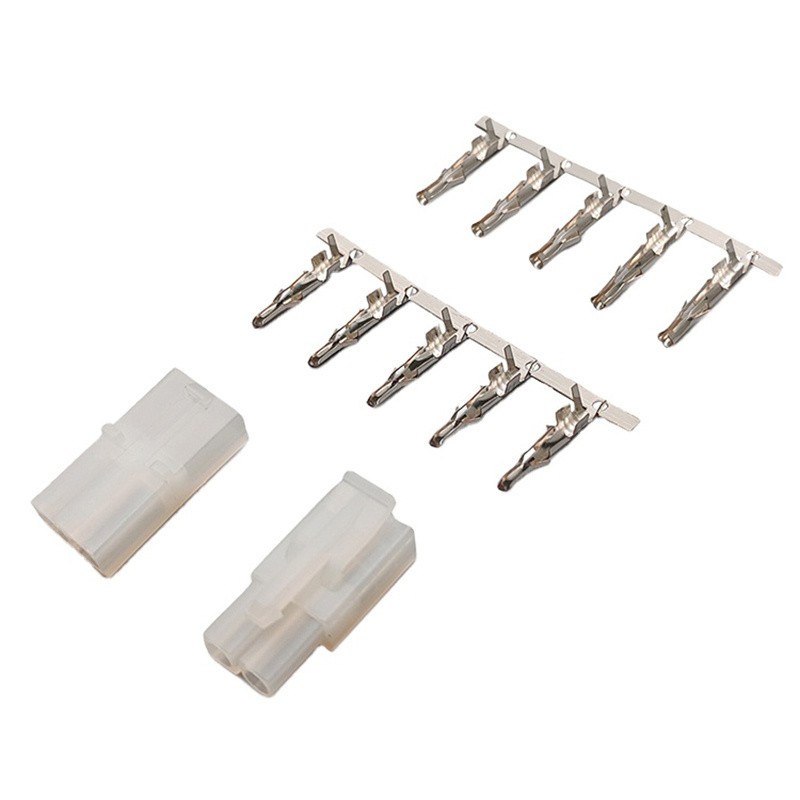
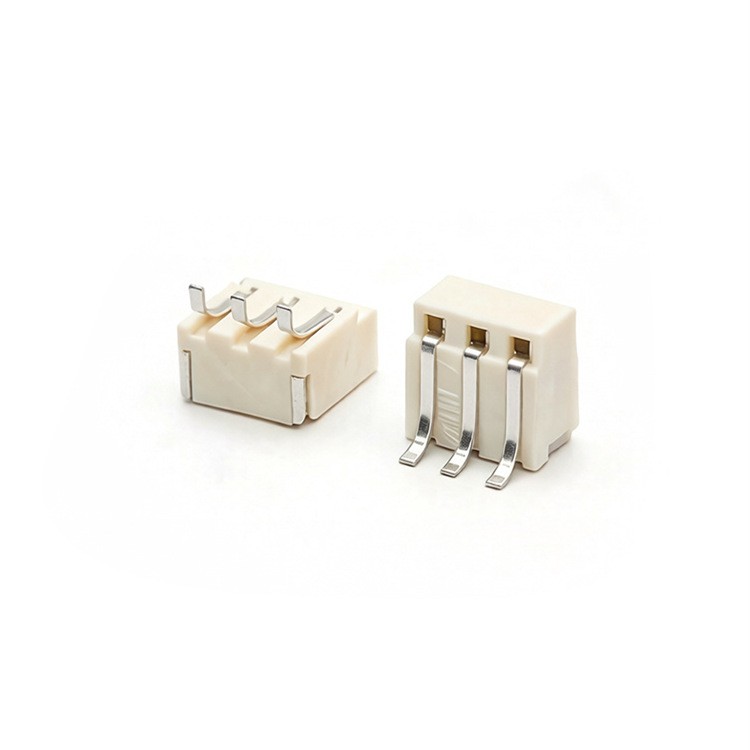
The structure of a THR connector typically consists of a housing and pins. The housing is usually made of plastic or other insulating materials, while the pins are made of metal. The pins are inserted through holes in the printed circuit board (PCB) and soldered to the pads on the board during the reflow process.
Waterproofing Basics
Waterproofing in electronic connectors is crucial to protect the electrical components from moisture, which can cause corrosion, short circuits, and other issues. A waterproof connector is designed to prevent water from entering the connector and reaching the electrical contacts.
There are different levels of waterproofing, which are often defined by the Ingress Protection (IP) rating system. The IP rating consists of two digits. The first digit indicates the level of protection against solid objects, while the second digit indicates the level of protection against water. For example, an IP67 rating means that the connector is dust-tight (6) and can be immersed in water up to 1 meter for 30 minutes without damage (7).
Are THR Connectors Waterproof?
The answer to whether a THR connector is waterproof is not straightforward. It depends on several factors, including the design of the connector, the materials used, and the manufacturing process.
Design Considerations
Some THR connectors are designed with waterproof features. For example, they may have a sealed housing or gaskets to prevent water from entering. These connectors are often used in applications where they are exposed to moisture, such as outdoor or automotive environments.
However, not all THR connectors are designed to be waterproof. Standard THR connectors may not have the necessary sealing mechanisms to prevent water ingress. In these cases, they are more suitable for indoor applications where they are not exposed to water.
Materials and Manufacturing
The materials used in the construction of the connector also play a role in its waterproof performance. High-quality materials that are resistant to water and corrosion can enhance the waterproof capabilities of the connector. Additionally, the manufacturing process can affect the sealing of the connector. A well-manufactured connector with proper sealing can provide better waterproof protection.
Testing and Certification
To ensure the waterproof performance of a THR connector, it is important to conduct testing and obtain relevant certifications. Testing methods may include immersion tests, spray tests, and humidity tests. Certifications such as IP ratings can provide assurance that the connector meets certain waterproof standards.
Applications of Waterproof THR Connectors
Waterproof THR connectors are used in a variety of applications where moisture protection is required. Some common applications include:
- Automotive: In automotive applications, connectors are exposed to various environmental conditions, including water, dust, and vibrations. Waterproof THR connectors can ensure reliable electrical connections in these harsh environments.
- Outdoor Electronics: Outdoor electronic devices, such as solar panels, weather stations, and outdoor lighting, require connectors that can withstand exposure to water and other elements. Waterproof THR connectors are ideal for these applications.
- Industrial Equipment: Industrial equipment often operates in wet or humid environments. Waterproof THR connectors can prevent water damage and ensure the proper functioning of the equipment.
Choosing the Right Waterproof THR Connector
When choosing a waterproof THR connector, there are several factors to consider:
- IP Rating: Look for connectors with a high IP rating to ensure adequate waterproof protection. The higher the IP rating, the better the protection against water and dust.
- Application Requirements: Consider the specific requirements of your application, such as the level of moisture exposure, temperature range, and mechanical stress. Choose a connector that is suitable for your application.
- Compatibility: Ensure that the connector is compatible with your PCB and other components. Consider the pin configuration, size, and mating requirements.
- Quality and Reliability: Choose a connector from a reputable supplier to ensure high quality and reliability. Look for connectors that have been tested and certified to meet industry standards.
Conclusion
In conclusion, whether a THR connector is waterproof depends on its design, materials, and manufacturing process. Some THR connectors are designed with waterproof features and can provide reliable protection against water ingress. These connectors are suitable for applications where moisture protection is required, such as automotive, outdoor electronics, and industrial equipment.
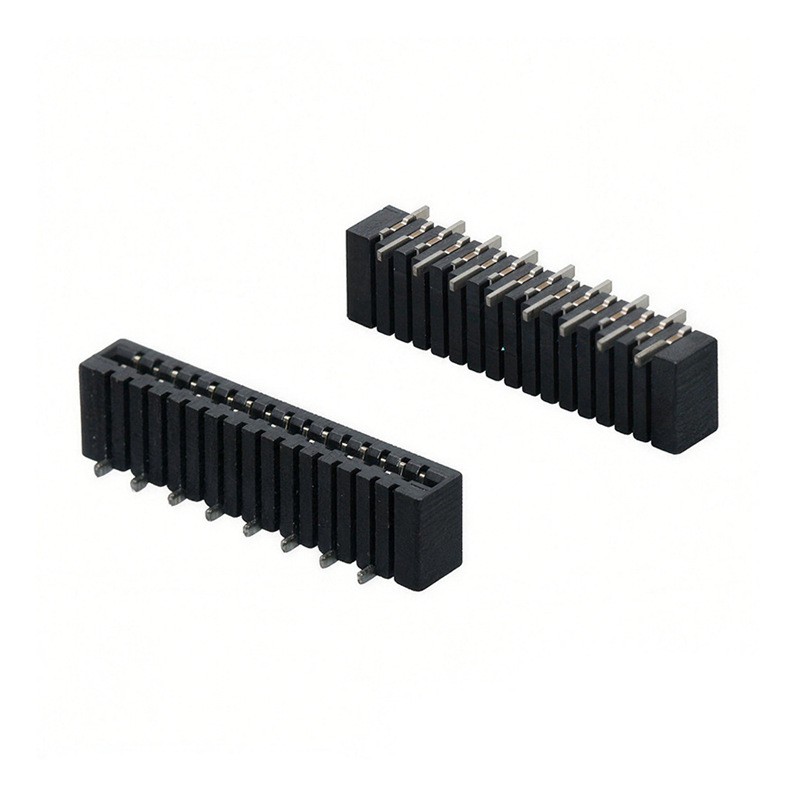
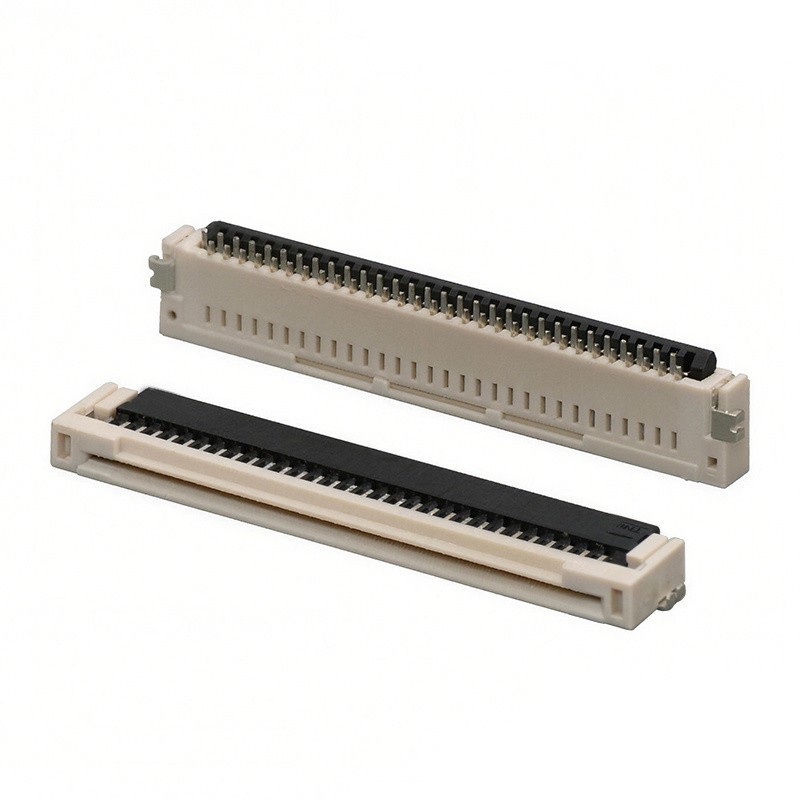
If you are in the market for waterproof THR connectors, we are here to help. As a leading supplier of THR connectors, we offer a wide range of products with different IP ratings and features to meet your specific needs. New Electrical Connectors provide the latest in connector technology, while Common Electronic Connectors offer reliable solutions for everyday applications. Our Reflow Compatible Through-Hole Connector is designed for easy installation and high performance.
If you have any questions or would like to discuss your connector requirements, please feel free to contact us. We look forward to working with you to find the best connector solution for your application.
References
- "Electronic Connectors: Design, Technology, and Applications" by John A. Adam
- "Ingress Protection (IP) Ratings" by International Electrotechnical Commission (IEC)