When it comes to choosing an FPC (Flexible Printed Circuit) Display Connector, there are several key specifications that you need to consider. As a supplier of FPC Display Connectors, I have witnessed firsthand the importance of making the right choice. In this blog, I will share with you the essential factors to keep in mind to ensure that you select the most suitable connector for your specific needs.
1. Pitch
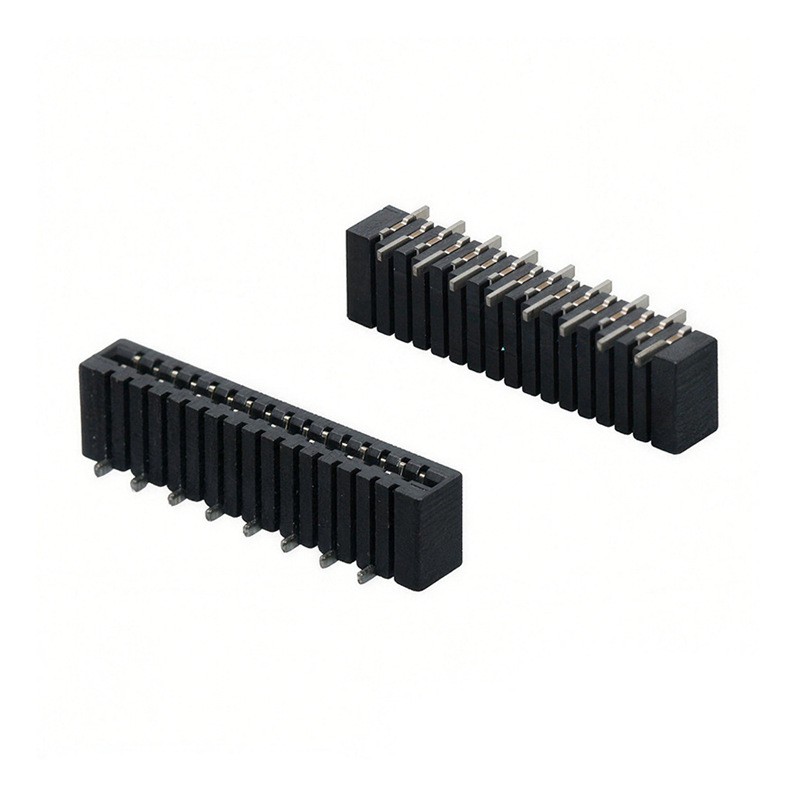
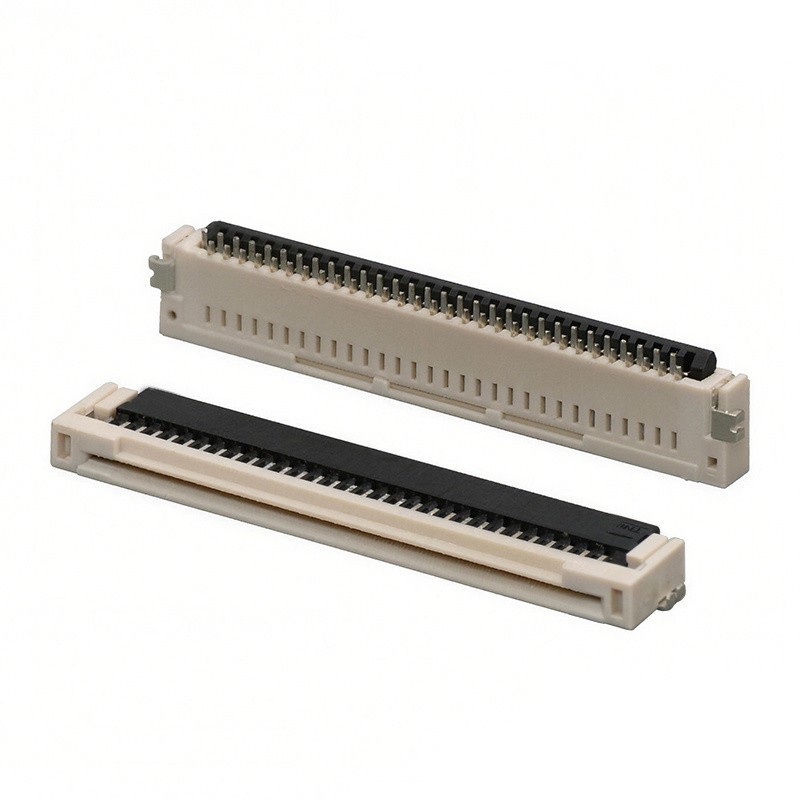
The pitch of an FPC Display Connector refers to the distance between the centers of adjacent contacts. It is a crucial specification as it determines the number of contacts that can be accommodated within a given space. A smaller pitch allows for a higher density of contacts, which is beneficial for applications where space is limited. However, it also requires more precise manufacturing and can be more challenging to work with.
For example, in mobile devices such as smartphones and tablets, where space is at a premium, connectors with a small pitch, such as 0.3mm or 0.5mm, are commonly used. On the other hand, in larger applications like industrial displays, a larger pitch, such as 1.0mm or 1.25mm, may be more appropriate as it offers better durability and ease of assembly.
2. Contact Resistance
Contact resistance is another important specification to consider. It refers to the resistance encountered when current flows through the contacts of the connector. Low contact resistance is desirable as it minimizes power loss and ensures a stable electrical connection.
High contact resistance can lead to issues such as signal degradation, overheating, and reduced performance. Therefore, it is crucial to choose a connector with low contact resistance. This can be achieved through the use of high-quality materials and advanced manufacturing processes.
3. Insertion and Withdrawal Force
The insertion and withdrawal force of an FPC Display Connector are important considerations, especially in applications where the connector needs to be inserted and removed frequently. A connector with a low insertion force makes it easier to install and remove the FPC, while a high withdrawal force ensures that the connector remains securely in place.
However, it is important to strike a balance between the insertion and withdrawal forces. If the insertion force is too low, the connector may not make a reliable electrical connection. Conversely, if the withdrawal force is too high, it can cause damage to the FPC or the connector itself.
4. Current Rating
The current rating of a connector indicates the maximum amount of current that it can safely carry. It is important to choose a connector with a current rating that is appropriate for your application. If the current rating is too low, the connector may overheat and fail, while if it is too high, it may be more expensive and larger than necessary.
When determining the current rating, you need to consider the power requirements of your device and the amount of current that will flow through the connector. It is also important to take into account any potential fluctuations in current and ensure that the connector can handle them.
5. Operating Temperature Range
The operating temperature range of a connector refers to the range of temperatures within which it can operate safely and reliably. Different applications have different temperature requirements, and it is important to choose a connector that can withstand the temperatures that it will be exposed to.
For example, in automotive applications, the connector may need to operate in extreme temperatures, ranging from -40°C to 125°C. In such cases, it is essential to choose a connector with a wide operating temperature range to ensure its performance and reliability.
6. Mating Cycles
The mating cycles of a connector refer to the number of times it can be inserted and removed without significant degradation in performance. In applications where the connector needs to be mated and unmated frequently, such as in test equipment or portable devices, it is important to choose a connector with a high number of mating cycles.
A connector with a high number of mating cycles is more durable and can withstand repeated use without losing its electrical or mechanical properties. This ensures a long service life and reduces the need for frequent replacement.

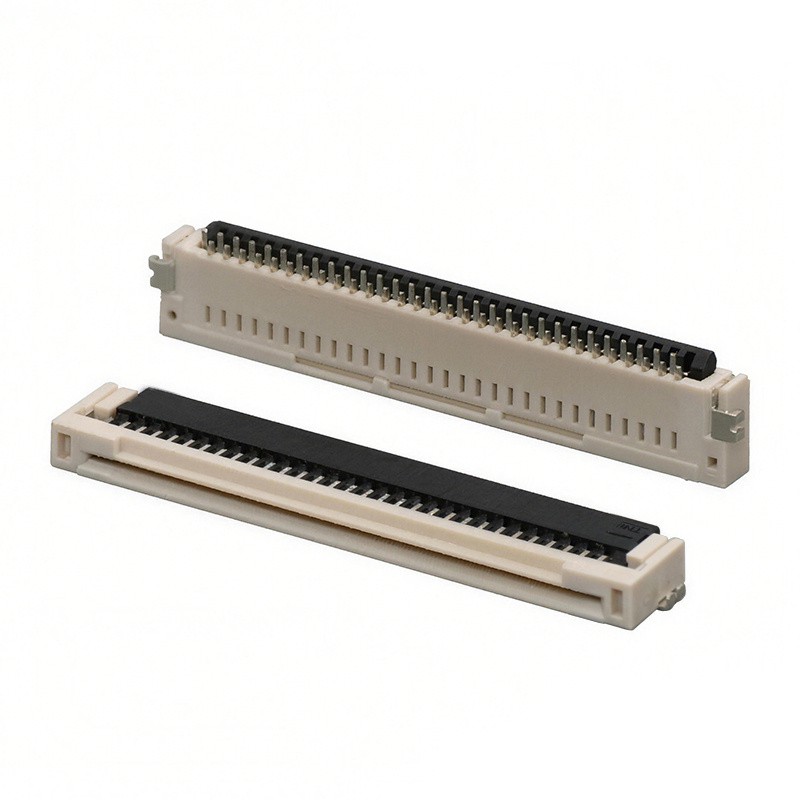
7. Mechanical Durability
Mechanical durability is an important consideration, especially in applications where the connector may be subjected to vibration, shock, or other mechanical stresses. A connector with good mechanical durability can withstand these stresses without losing its electrical connection or structural integrity.
This can be achieved through the use of high-quality materials, such as metal or plastic, and through the design of the connector. For example, a connector with a locking mechanism can provide additional security and prevent it from coming loose due to vibration or shock.
8. Signal Integrity
Signal integrity is crucial in applications where high-speed data transmission is required, such as in display applications. A connector with good signal integrity can ensure that the signals are transmitted accurately and without distortion.
This can be achieved through the use of proper shielding, impedance matching, and other techniques. It is also important to choose a connector with a low crosstalk and a high signal-to-noise ratio to ensure the quality of the transmitted signals.
9. Environmental Resistance
In some applications, the connector may be exposed to harsh environmental conditions, such as moisture, dust, or chemicals. In such cases, it is important to choose a connector with good environmental resistance.
This can be achieved through the use of materials that are resistant to corrosion, such as stainless steel or gold-plated contacts. The connector may also be sealed to prevent the ingress of moisture or dust.
10. Compatibility
Finally, it is important to ensure that the FPC Display Connector is compatible with your specific application. This includes factors such as the type of FPC, the number of contacts, the pitch, and the electrical requirements.
Before making a purchase, it is recommended to consult with a professional or refer to the manufacturer's specifications to ensure that the connector is compatible with your device.
In conclusion, choosing the right FPC Display Connector is crucial for the performance and reliability of your device. By considering the key specifications discussed above, you can make an informed decision and select a connector that meets your specific needs.
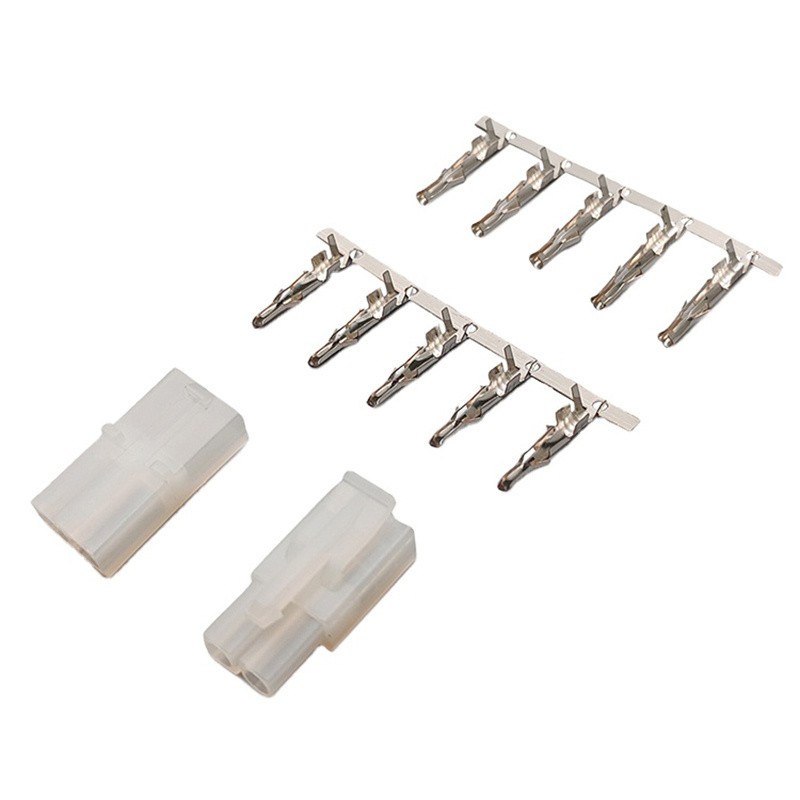
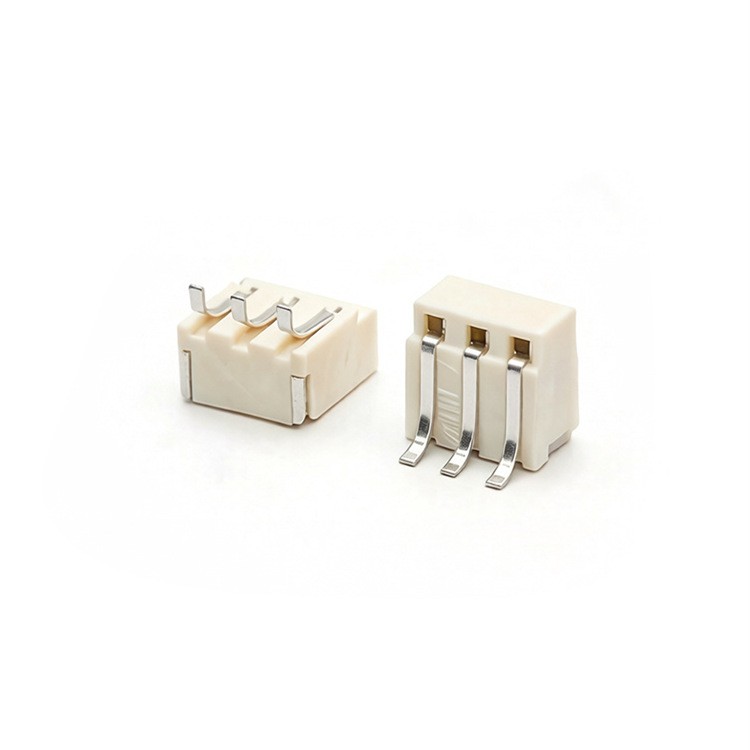
If you are in the market for an FPC Display Connector, we are here to help. We offer a wide range of FPC Display Connector options, including FPC To Wire Connector and FPC Socket Connector. Our connectors are designed to meet the highest standards of quality and performance, and we are committed to providing excellent customer service.
If you have any questions or would like to discuss your specific requirements, please feel free to contact us. We look forward to working with you to find the perfect FPC Display Connector for your application.
References
- "Connector Handbook" by IPC
- "Flexible Printed Circuits: Design, Manufacture, and Assembly" by D. Allan Hock
- "Electronic Connector Design and Application" by John E. Denton