Hey there! As a supplier of wire-to-wire connectors, I've been getting a lot of questions lately about electromagnetic compatibility (EMC) and how it relates to our products. So, I thought I'd take a few minutes to break it down for you.
First off, let's talk about what EMC actually is. In simple terms, EMC is the ability of electrical and electronic equipment to function properly in its electromagnetic environment without causing interference to other equipment. In other words, it's all about making sure that your devices can play nice together without causing any electrical chaos.
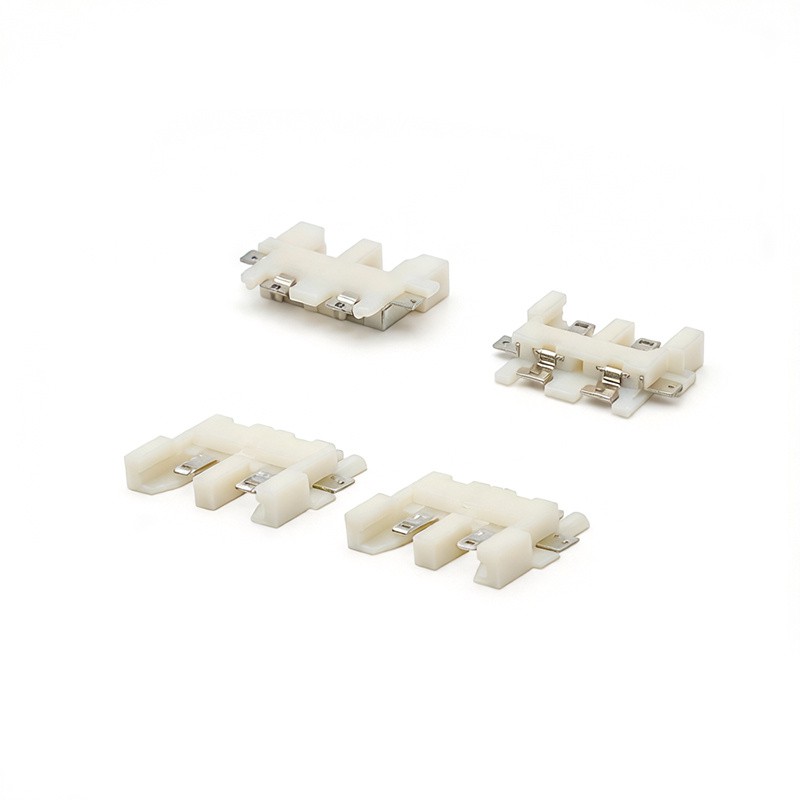
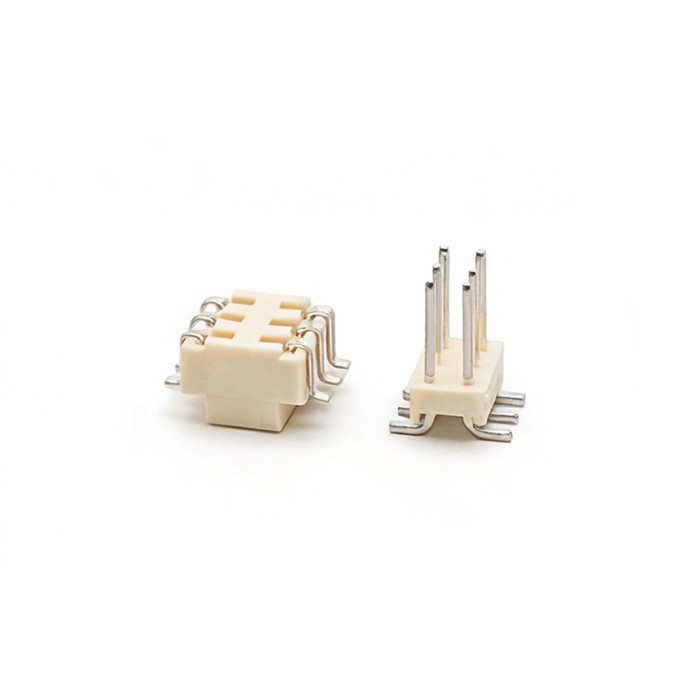
Now, when it comes to wire-to-wire connectors, EMC is a big deal. These connectors are used to join two or more wires together, and they can be found in a wide range of applications, from automotive and aerospace to industrial and consumer electronics. In each of these applications, the connectors need to be able to transmit electrical signals without introducing any unwanted electromagnetic interference (EMI).
So, how do we ensure that our wire-to-wire connectors have good EMC performance? Well, there are a few key factors that we take into account during the design and manufacturing process.
1. Material Selection
The materials used in the construction of the connector can have a significant impact on its EMC performance. For example, the housing material can act as a shield to prevent EMI from escaping or entering the connector. We typically use materials with good electromagnetic shielding properties, such as metal or conductive plastics.
The contacts inside the connector also play a crucial role. High-quality contact materials, such as copper alloys, can provide low resistance and good conductivity, which helps to minimize signal loss and reduce the generation of EMI.
2. Design and Layout
The design and layout of the connector can also affect its EMC performance. For instance, the shape and size of the connector can influence the way electromagnetic fields interact with it. We carefully design our connectors to minimize the formation of electromagnetic loops, which can act as antennas and radiate EMI.
In addition, the spacing between the contacts and the wires can also impact EMC. Proper spacing helps to reduce capacitive and inductive coupling between the conductors, which can cause interference.
3. Shielding and Grounding
Shielding is an important technique for improving the EMC performance of wire-to-wire connectors. A shield can be added to the connector to block electromagnetic fields and prevent EMI from escaping or entering. The shield is typically connected to a ground plane, which provides a path for the EMI to be dissipated.
Grounding is also crucial for EMC. By providing a low-impedance path to ground, we can ensure that any unwanted electrical currents are safely redirected away from the connector and the connected devices.
4. Testing and Certification
Before our wire-to-wire connectors are released to the market, they undergo rigorous testing to ensure that they meet the required EMC standards. We use specialized equipment to measure the electromagnetic emissions and susceptibility of the connectors under different operating conditions.
Once the connectors have passed the testing, they are certified to meet the relevant EMC standards, such as CISPR, EN, and FCC. This certification provides our customers with the assurance that our connectors will perform reliably in their applications without causing any EMI issues.


Now, let's take a look at some of the specific types of wire-to-wire connectors that we offer and how they relate to EMC.
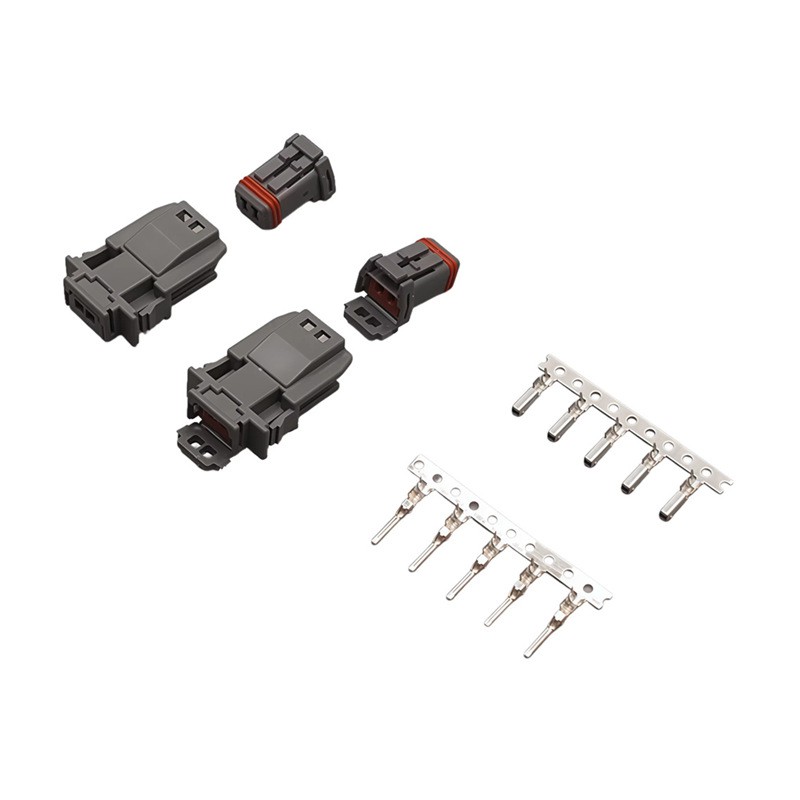
Waterproof Wire To Wire Connector
Our Waterproof Wire To Wire Connector is designed to provide a reliable connection in harsh environments where moisture and water are present. These connectors are typically used in outdoor applications, such as automotive, marine, and industrial equipment.
In terms of EMC, the waterproof design of these connectors helps to protect the internal components from electromagnetic interference. The sealed housing acts as a shield to prevent EMI from entering or escaping the connector, and the high-quality contacts ensure low resistance and good conductivity.
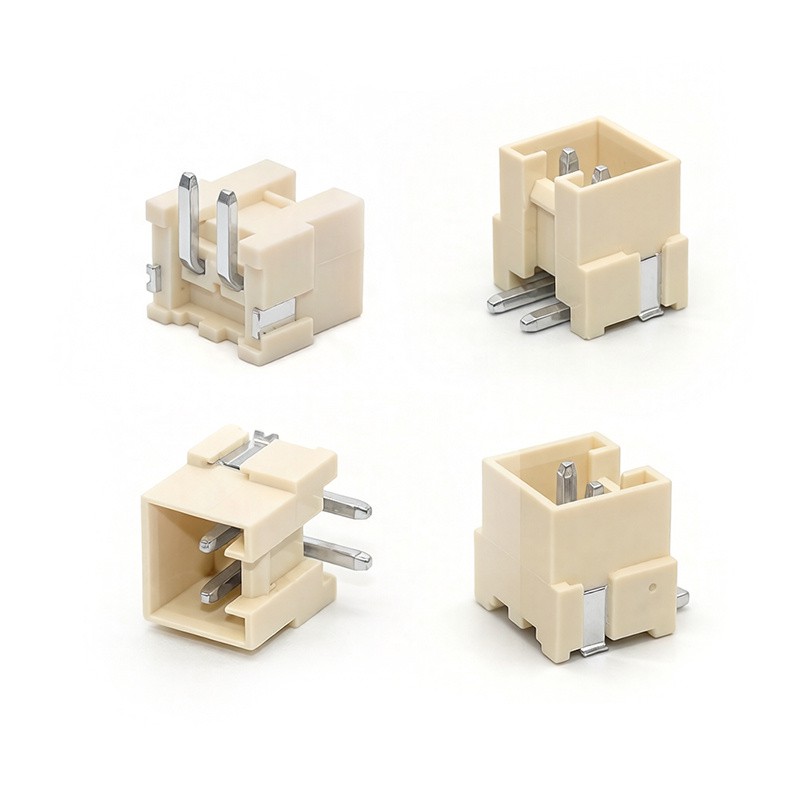
Connector Wire To Wire
Our Connector Wire To Wire is a versatile connector that can be used in a wide range of applications. These connectors are available in different sizes, shapes, and configurations to meet the specific needs of our customers.
When it comes to EMC, the design and layout of these connectors are optimized to minimize electromagnetic interference. The contacts are carefully spaced to reduce capacitive and inductive coupling, and the housing material provides good electromagnetic shielding.
Inline Connectors Wire To Wire
Our Inline Connectors Wire To Wire are designed to provide a convenient and reliable way to connect two or more wires in a series. These connectors are commonly used in automotive, aerospace, and industrial applications.
In terms of EMC, the inline design of these connectors helps to reduce the length of the electromagnetic loops, which can minimize the generation of EMI. The shielded housing and proper grounding ensure that any unwanted electrical currents are safely dissipated.
In conclusion, electromagnetic compatibility is a critical factor in the performance of wire-to-wire connectors. By carefully selecting the materials, optimizing the design and layout, and implementing effective shielding and grounding techniques, we can ensure that our connectors have good EMC performance and can operate reliably in a wide range of applications.
If you're in the market for high-quality wire-to-wire connectors with excellent EMC performance, we'd love to hear from you. Whether you have a specific application in mind or need some advice on the best connector for your project, our team of experts is here to help. Just reach out to us and let's start a conversation about how we can meet your needs.
References
- Electromagnetic Compatibility Engineering, Henry W. Ott
- Introduction to Electromagnetic Compatibility, Clayton R. Paul