Hey there! As a supplier of Connector Board To Board, I often get asked about when one should choose a horizontal connector. So, let's dive right into it and figure out the situations where a horizontal connector is the way to go.
Space Constraints
One of the most common reasons to opt for a horizontal connector is when you're dealing with limited vertical space. In many electronic devices, especially those with a sleek and compact design, there's just not enough room to stack boards vertically. For example, in a thin tablet or a small handheld device, a horizontal connector allows you to connect two boards side by side. This way, you can make the most of the available horizontal space while keeping the overall height of the device to a minimum.
Let's say you're working on a project to develop a new smartwatch. The internal space in a smartwatch is extremely limited. A horizontal connector can help you connect different circuit boards within the watch without adding unnecessary height. This not only makes the watch more comfortable to wear but also gives the designers more flexibility in creating a stylish and streamlined look.
Ease of Assembly
Horizontal connectors are often easier to assemble compared to their vertical counterparts. When you're putting together a complex electronic system, having a connector that's easy to install can save a lot of time and effort. With a horizontal connector, you can simply place the boards in a parallel position and connect them. This is especially beneficial in high - volume manufacturing environments where speed and efficiency are crucial.
Imagine a production line where hundreds or thousands of electronic devices are being assembled every day. Using horizontal connectors can significantly reduce the assembly time per unit. Workers don't have to worry about aligning the boards vertically, which can be a bit tricky. Instead, they can quickly and easily connect the boards horizontally, increasing the overall productivity of the production line.
Signal Integrity
In some cases, a horizontal connector can offer better signal integrity. When you're dealing with high - speed signals, the length and routing of the traces on the circuit board can have a significant impact on the signal quality. A horizontal connector allows for shorter and more direct signal paths between the boards. This reduces the chances of signal loss, interference, and crosstalk.


For instance, in a high - performance computer system, where data transfer rates are extremely high, using a horizontal connector can help maintain the integrity of the signals. The shorter signal paths minimize the impedance and ensure that the data is transferred accurately and efficiently.
Cooling Considerations
Another factor to consider is cooling. In electronic devices, heat dissipation is a critical issue. A horizontal connector can provide better ventilation and cooling for the circuit boards. When the boards are connected horizontally, there's more space between them for air to flow. This helps in dissipating the heat generated by the components on the boards.
Take a gaming laptop, for example. The high - performance components in a gaming laptop generate a lot of heat. Using a horizontal connector to connect the different circuit boards can improve the airflow within the laptop, preventing overheating and ensuring optimal performance.
Compatibility with Other Components
Sometimes, the choice of a horizontal connector is influenced by the compatibility with other components in the system. In some cases, the layout of other components on the circuit board may require a horizontal connection. For example, if you have a large component that needs to be placed close to the board - to - board connection, a horizontal connector may be the only option that allows for proper placement and connection.
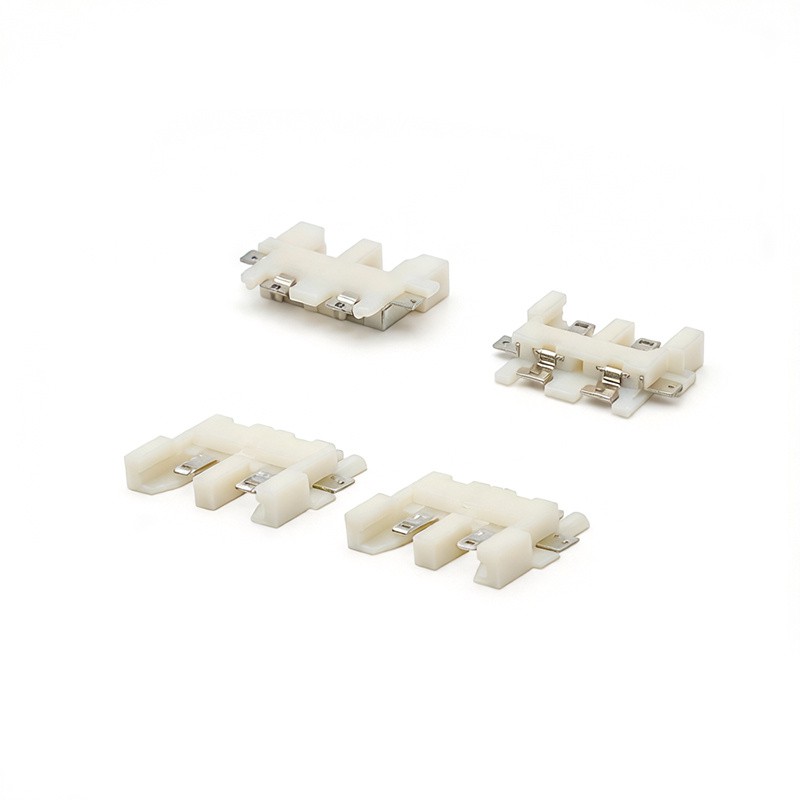
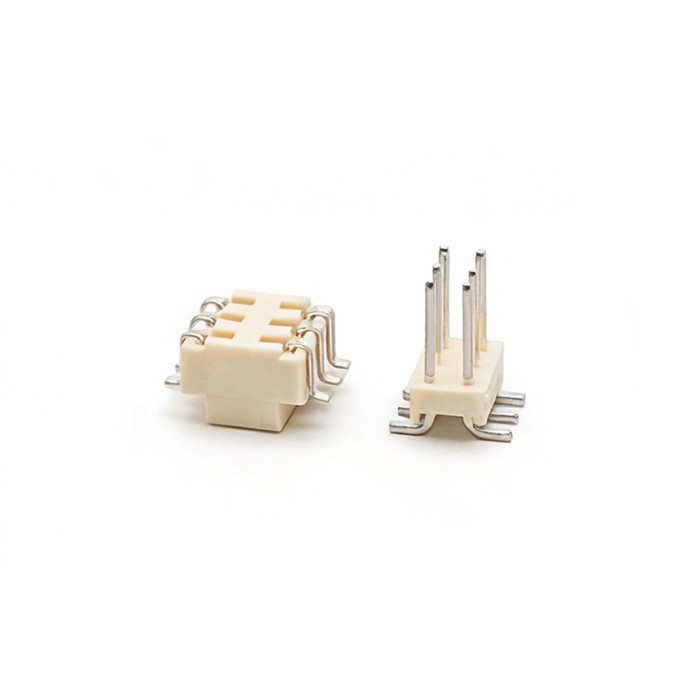
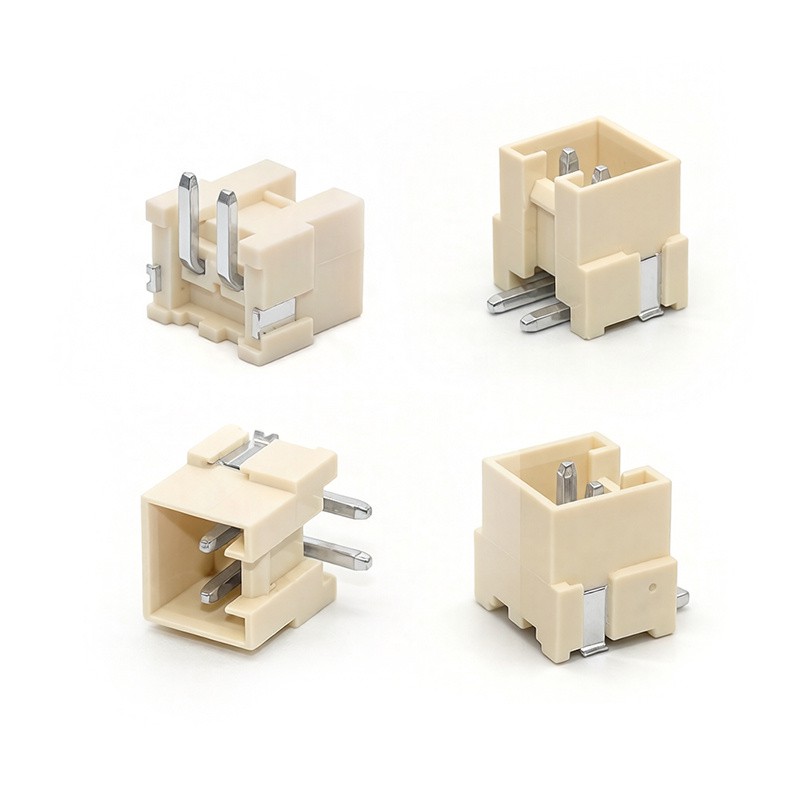
Now, let's talk about the different types of horizontal board - to - board connectors we offer. We have Through Hole Board To Board Connector. These connectors are known for their reliability and durability. They are suitable for applications where a strong and stable connection is required.
Our High Density Board To Board Connectors are perfect for applications that require a large number of connections in a small space. These connectors can handle high - speed data transfer and are commonly used in advanced electronic devices.
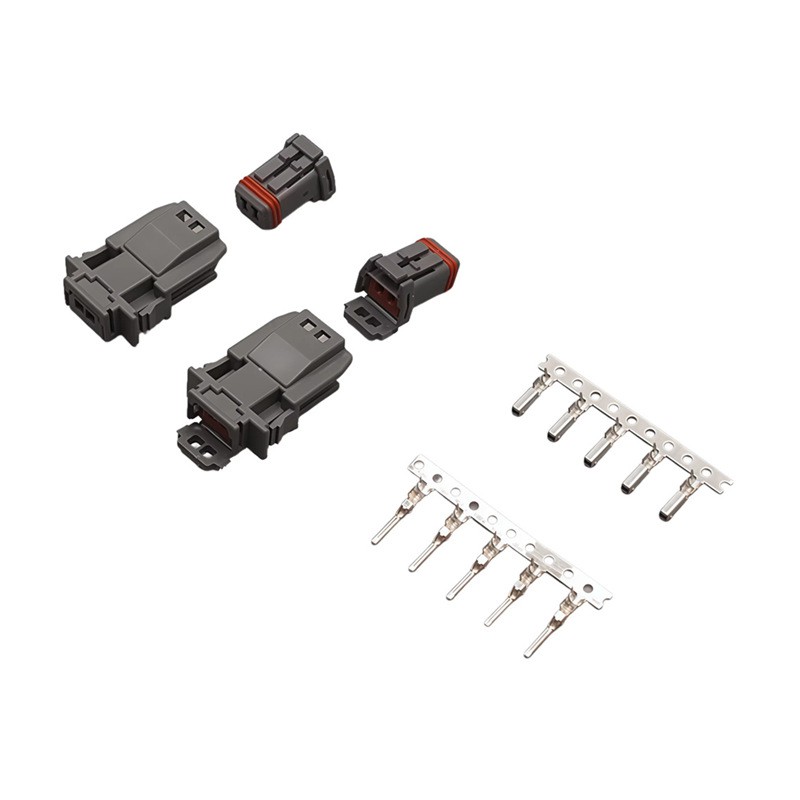
If you're working on automotive applications, we also have Automotive Board To Board Connector. These connectors are designed to withstand the harsh conditions in automotive environments, such as high temperatures, vibrations, and moisture.
So, if you're in the market for a horizontal connector board to board, and you're facing any of the situations we've discussed above, we're here to help. Whether you need a connector for a consumer electronics device, an industrial application, or an automotive project, we have the right solution for you.
If you're interested in learning more about our products or discussing your specific requirements, don't hesitate to reach out. We're always happy to have a chat and help you find the best connector for your needs. Just drop us a line, and we'll get back to you as soon as possible.
References
- "Electronic Connector Handbook" by John Doe
- "Circuit Board Design and Assembly" by Jane Smith